Material selection is the foundation of waterproof bag performance. It directly determines durability, flexibility, appearance, and overall product positioning. For brands, choosing the right material is not only a technical decision but also a strategic one that affects cost and market competitiveness.
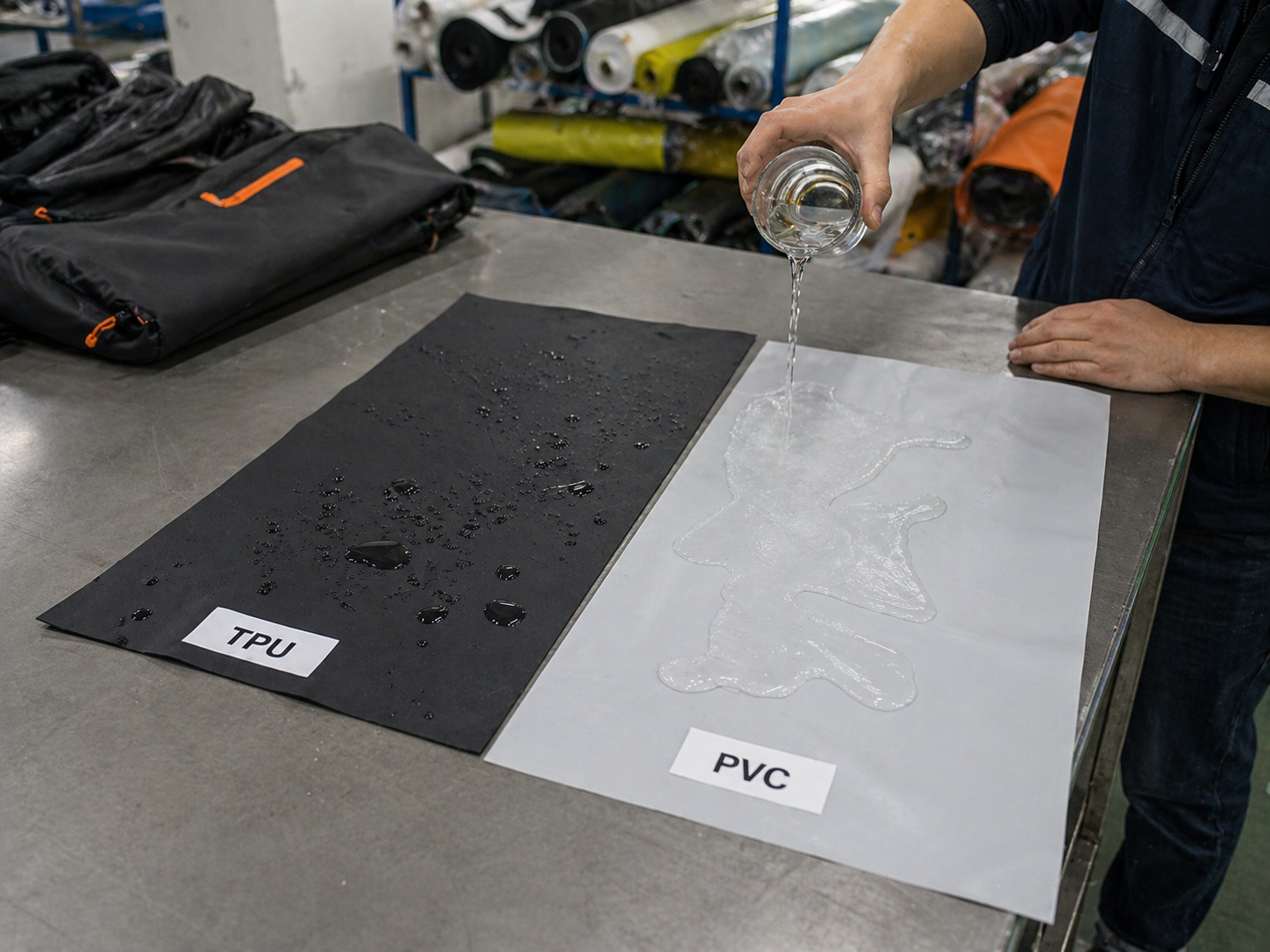
The most common waterproof bag materials—TPU, PVC, coated polyester, nylon, and laminated fabrics—offer different balances of durability, cost, and sustainability. Selecting the right one depends on target market and product positioning.
Understanding the differences between these materials helps brands avoid performance issues and align products with customer expectations.
What Are the Top 5 Materials Used in Waterproof Bags?
Each material offers unique performance characteristics.
The five most widely used materials are TPU, PVC, coated polyester, coated nylon, and laminated composite fabrics, each designed for specific applications and price segments.
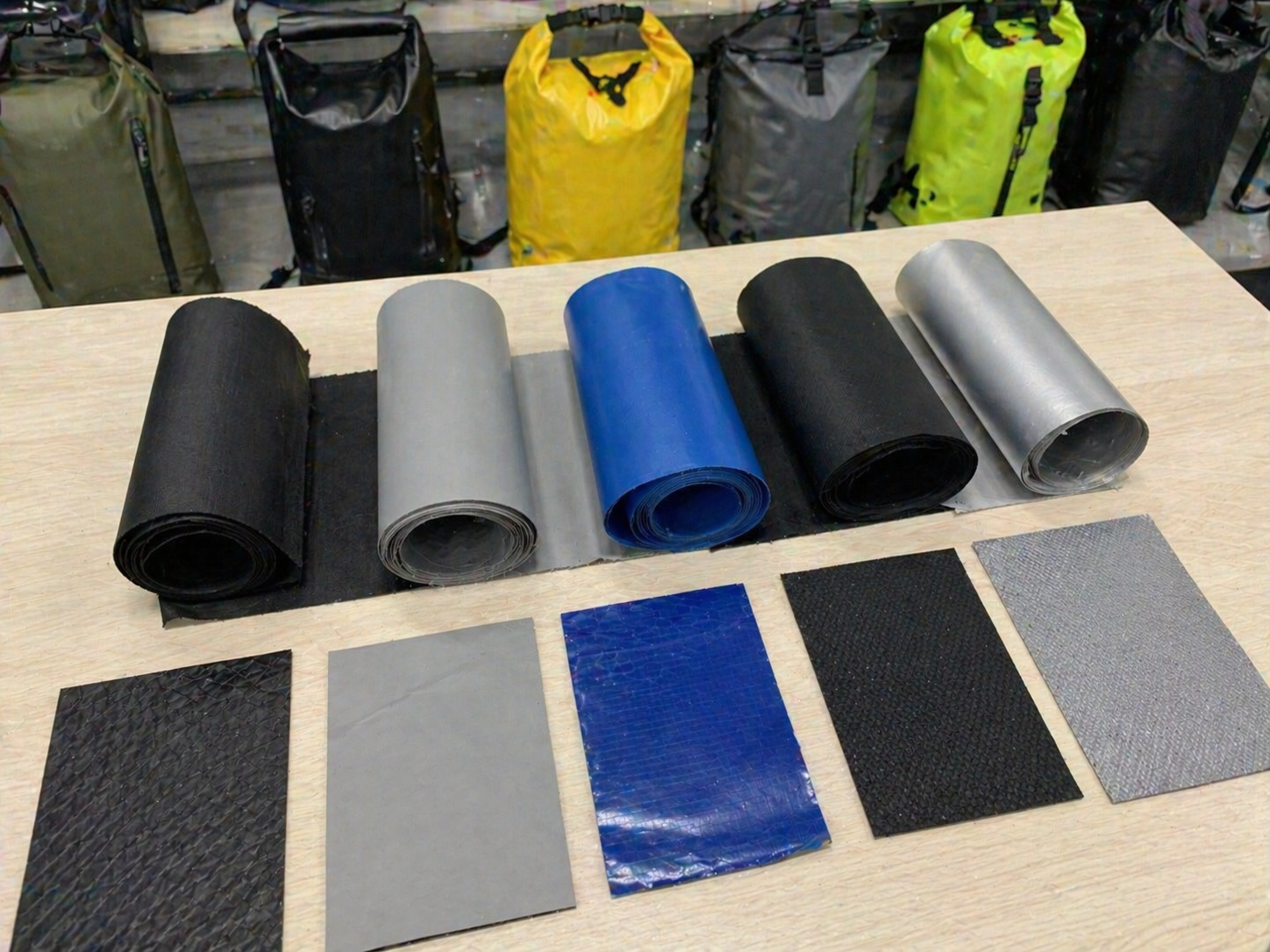
TPU (Thermoplastic Polyurethane) is known for its flexibility and environmental advantages. PVC (Polyvinyl Chloride) is widely used for its strong waterproof capability and lower cost. Coated polyester and nylon provide balanced performance with lighter weight. Laminated fabrics combine multiple layers for advanced performance.
A simplified comparison:
| Material | Key Feature | Typical Use |
|---|---|---|
| TPU | Flexible, eco-friendly | Premium waterproof bags |
| PVC | Strong waterproofing | Heavy-duty, budget products |
| Coated polyester | Cost-effective | Mid-range products |
| Coated nylon | Lightweight, strong | Premium lightweight bags |
| Laminated fabric | High performance | Technical applications |
Working with an experienced racket bag manufacturer ensures correct material selection based on product requirements.
TPU vs PVC vs Coated Polyester: Which Material Fits Your Market?
Choosing the right material depends on positioning and usage.
TPU suits premium markets, PVC fits cost-sensitive heavy-duty products, and coated polyester balances cost and performance for mid-range segments.
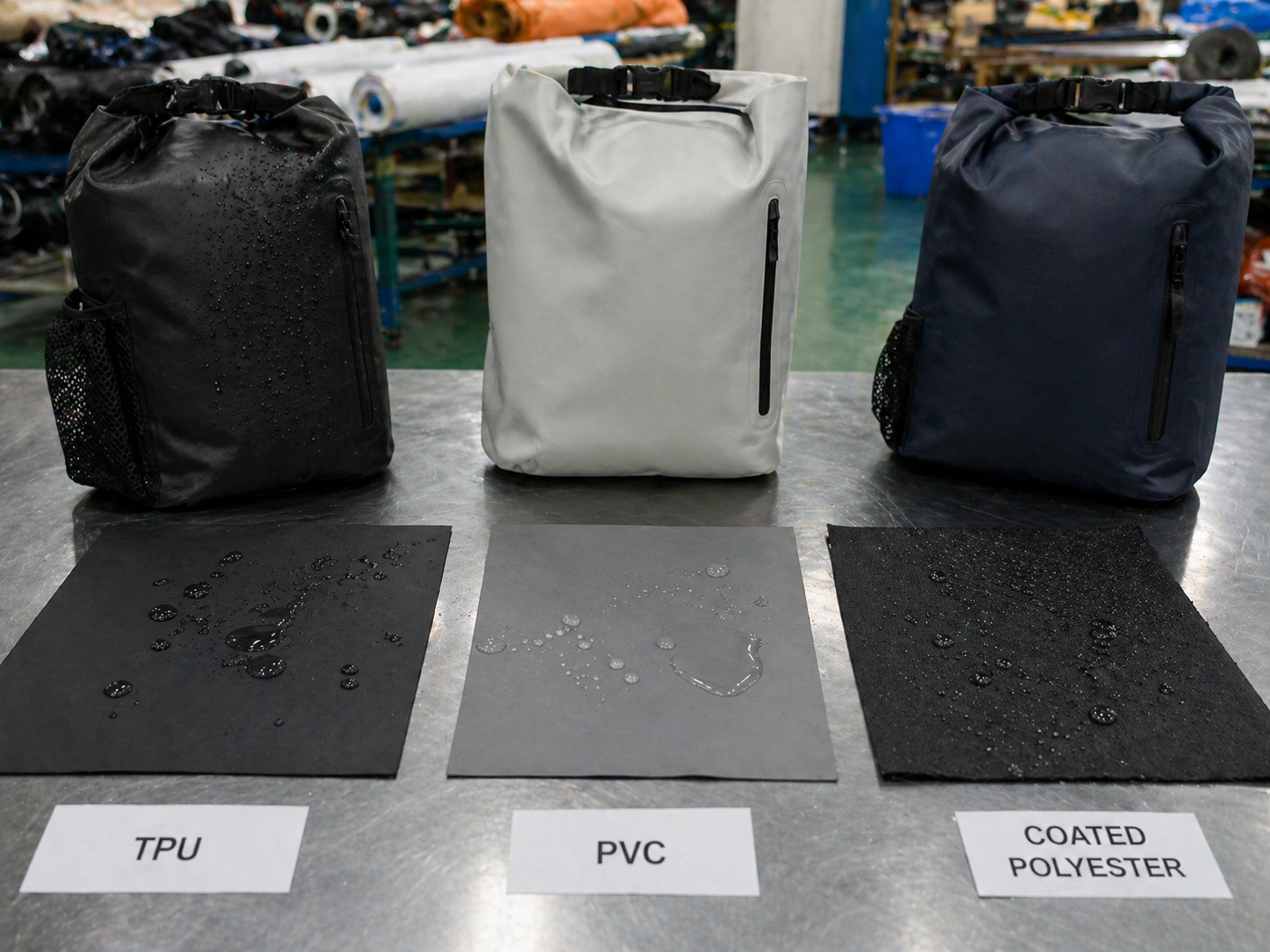
TPU offers excellent flexibility, resistance to abrasion, and better environmental performance. It is often used in high-end products where user experience and branding are important.
PVC provides strong waterproof capability and durability at a lower cost. However, it is heavier and less environmentally friendly, making it more suitable for industrial or budget-oriented markets.
Coated polyester is widely used due to its balance between cost and performance. It is lighter than PVC and more affordable than TPU, making it a practical choice for many consumer products.
A focused comparison:
| Factor | TPU | PVC | Coated Polyester |
|---|---|---|---|
| Cost | High | Low | Medium |
| Flexibility | High | Low | Medium |
| Weight | Light | Heavy | Medium |
| Sustainability | Better | Lower | Moderate |
Brands often select materials based on their target audience and price positioning.
How Does Material Choice Affect Durability, Cost, and Branding?
Material decisions shape both performance and perception.
Higher-end materials improve durability and brand image, while lower-cost materials support competitive pricing but may limit product positioning.
Durability depends on resistance to wear, tear, and environmental conditions. TPU and coated nylon offer higher durability, while lower-grade materials may degrade faster under heavy use.
Cost is directly influenced by raw material price and processing complexity. Premium materials increase production cost but allow higher retail pricing and stronger brand positioning.
Branding is also affected by material appearance and feel. Premium materials provide a more refined look and better tactile experience, which enhances perceived value.
A strategic balance is required. Over-investing in materials without matching market demand can reduce competitiveness, while under-investing can lead to quality issues and negative reviews.
A reliable sports bag supplier can help align material choices with both cost targets and brand positioning.
How Do Construction Methods Interact With Material Performance?
Material alone does not determine waterproof capability.
Construction methods such as seam welding, bonding, and zipper sealing are essential to fully utilize material performance.
Even the best waterproof materials can fail if seams are not properly sealed. TPU and laminated fabrics are often used with welded seams to achieve full waterproof performance. PVC can also be heat-sealed, while coated fabrics typically rely on seam sealing techniques.
Zipper selection is another critical factor. Waterproof zippers improve sealing but increase cost, while standard zippers require additional protective design.
Material and construction must be developed together to achieve reliable performance.
What Are the Latest Sustainable Material Trends in Waterproof Bags?
Sustainability is becoming a key factor in material selection.
Recycled materials, bio-based coatings, and low-impact production processes are shaping the future of waterproof bag manufacturing.
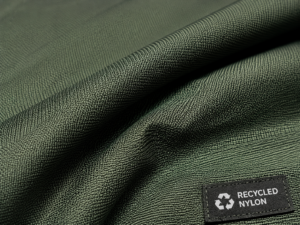
Recycled polyester and nylon are gaining popularity as brands respond to environmental concerns. These materials reduce reliance on virgin resources while maintaining performance.
Bio-based TPU alternatives are also emerging, offering improved environmental profiles compared to traditional materials. At the same time, manufacturers are reducing the use of harmful chemicals in coatings and adhesives.
Sustainable materials must still meet performance requirements. Balancing environmental impact with durability and cost remains a key challenge for brands.
How Should Brands Select the Right Waterproof Material?
Material selection should align with product strategy.
Brands must consider target market, price positioning, performance requirements, and sustainability goals when choosing materials.
For entry-level products, coated polyester offers a practical balance. Mid-range products may combine coated fabrics with improved construction methods. Premium products often use TPU or laminated materials for higher performance and branding value.
Consistency across product lines is also important. Using different material standards can create confusion and weaken brand identity.
Clear material strategy supports both product development and long-term brand positioning.
Conclusion
Selecting the right waterproof bag material requires balancing performance, cost, and brand positioning. Brands that understand material differences and align them with market needs can develop competitive and reliable products.