In the current sports gear market, tennis bags are no longer simple accessories. They are functional products that directly affect user experience, retail performance, and brand perception. Buyers today compare not only style, but also structure, durability, and real usability.
Choosing the right tennis bag means balancing size, features, and format. The best products match real usage scenarios, avoid common design flaws, and deliver consistent performance across different market segments.
Understanding how size, features, and formats work together helps brands and buyers reduce product risks and improve market success.
How to Choose the Right Tennis Bag Size for Different Retail Programs?
Incorrect size positioning is one of the most common reasons for poor sales performance.
The right tennis bag size depends on the target retail segment. Small bags fit entry-level markets, while larger multi-racket bags are designed for serious players and premium programs.
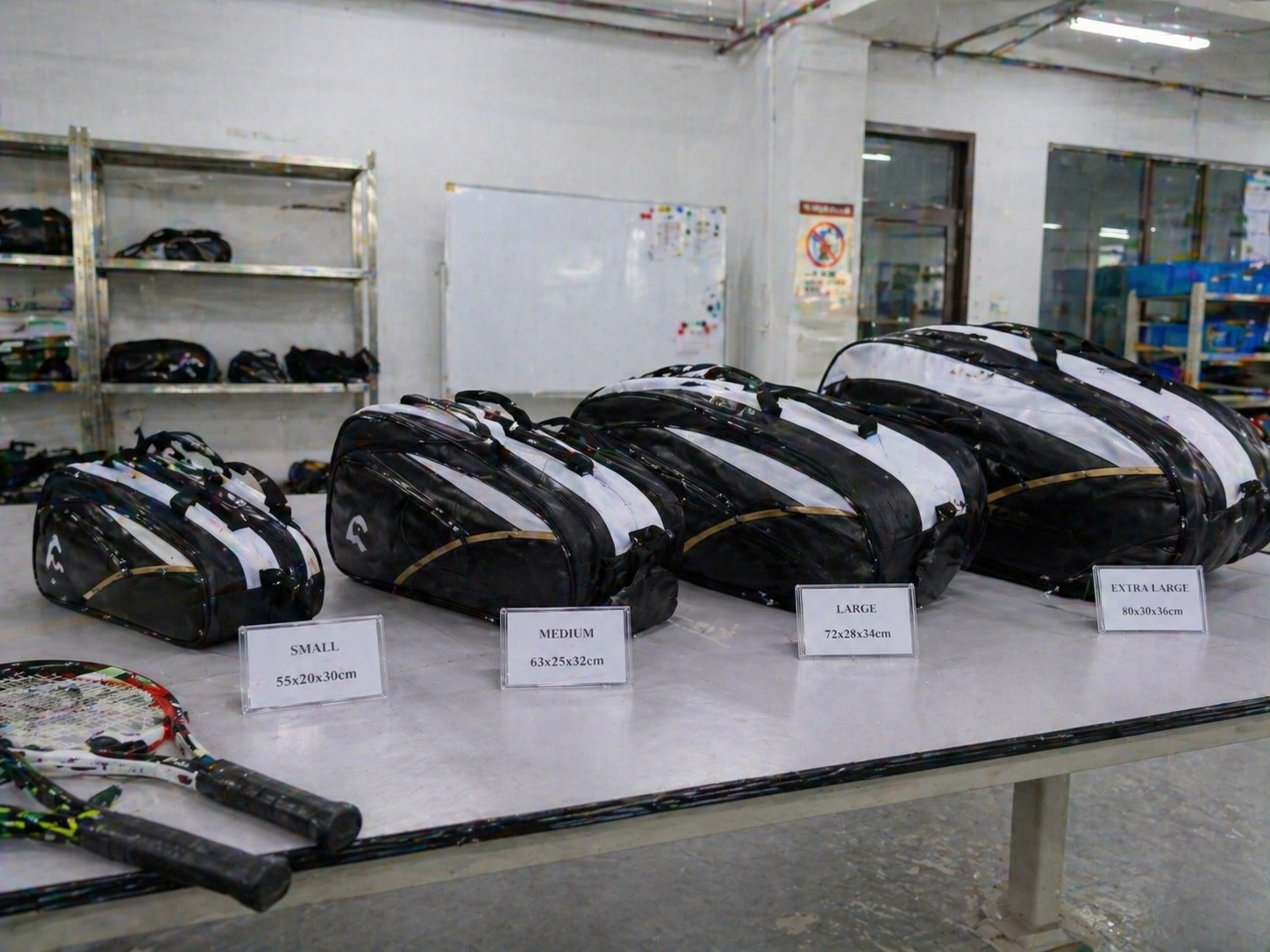
In practice, size selection is not just about dimensions. It is about how much usable space the bag provides under real conditions. Many products fail because they look large but cannot hold the advertised number of rackets or accessories. This usually comes from poor internal structure and excessive padding.
Retail programs typically follow a clear pattern. Entry-level products prioritize portability and price, so smaller backpack-style bags perform better. Mid-range retail focuses on versatility, where 3–6 racket bags are common. Premium programs target serious players and clubs, requiring 6–9 racket capacity with full compartment systems.
A practical sizing framework:
| Size Type | Market Use | Key Requirement |
|---|---|---|
| Small | Entry-level retail | Lightweight and affordable |
| Medium | General retail | Balanced capacity |
| Large | Pro/club segment | Maximum storage |
Accurate capacity design is critical. This includes optimizing internal layout and ensuring that real usage matches product claims. A professional racket bag manufacturer can support this by validating capacity through real packing tests instead of theoretical measurements.
Which Tennis Bag Features Matter Most to Serious Players and Clubs?
Feature selection becomes more critical as the target user level increases.
Serious players and clubs prioritize durability, functional compartments, structural stability, and long-term reliability over visual design alone.
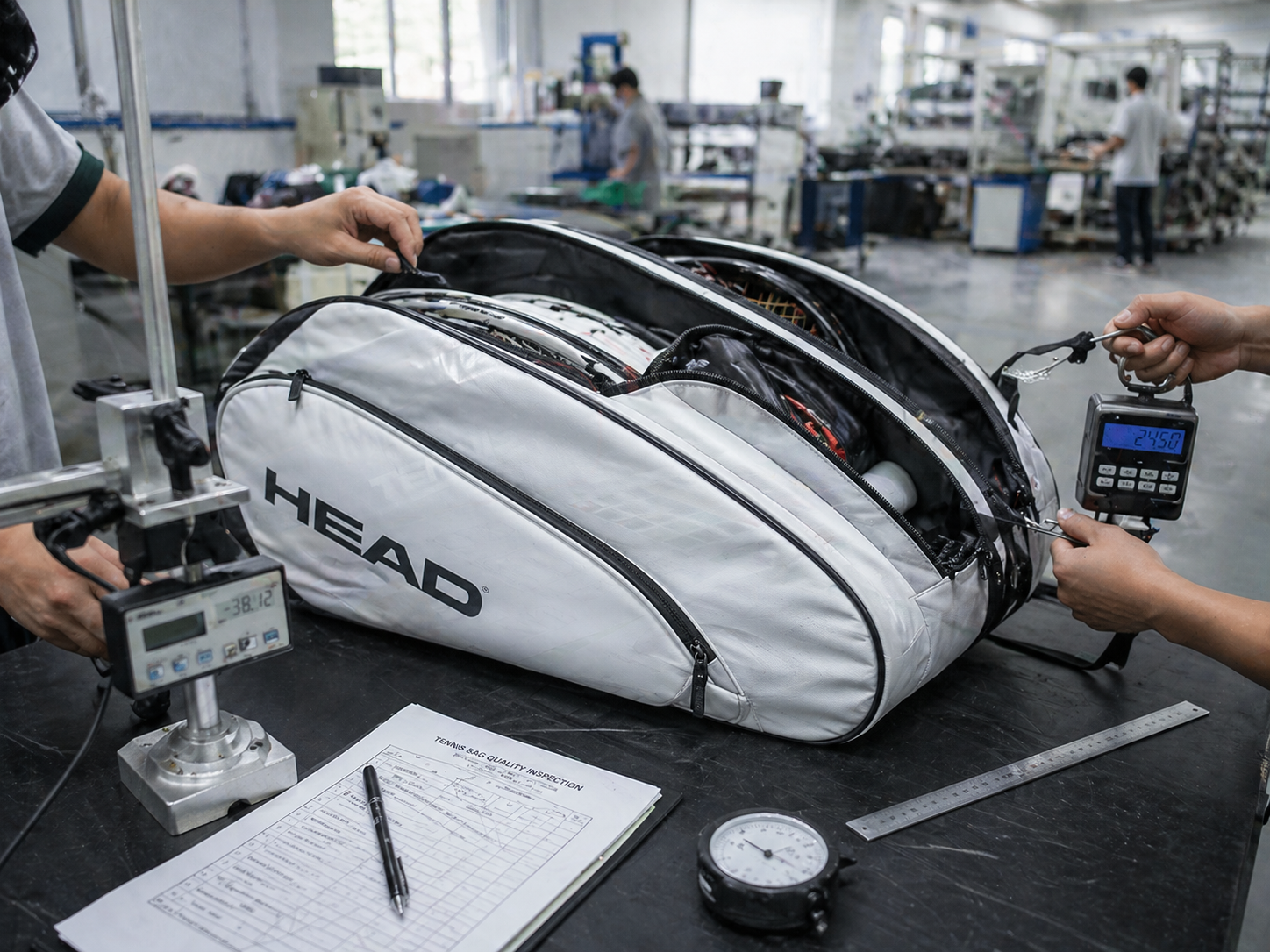
One of the most common complaints in the market is poor durability. Issues such as zipper failure, broken handles, and fabric wear often appear after short-term use. These problems usually result from low-grade materials and weak reinforcement at stress points.
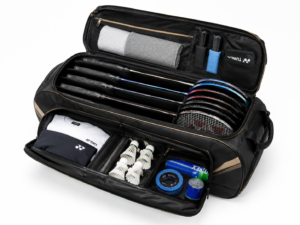
Another major issue is compartment design. Players need to carry rackets, shoes, clothing, and accessories in a structured way. Poor layout leads to mixed storage, wasted space, and inconvenience during use. Independent shoe compartments, separated racket zones, and organized accessory pockets are essential for higher-end products.
Structural stability also matters. Bags that collapse or lose shape create a perception of low quality and reduce usability. Reinforced panels and base support systems help maintain structure under load.
Key feature priorities in professional segments:
| Feature | Why It Matters |
|---|---|
| Durability | Reduces returns and complaints |
| Compartment layout | Improves usability |
| Structure | Maintains shape and protection |
| Hardware quality | Ensures long-term reliability |
A reliable tennis bag supplier focuses on these aspects during development, helping brands avoid common failure points seen in mass-market products.
Backpack, Duffel, or Racket Bag: How Buyers Compare Tennis Bag Formats?
Different formats serve different purposes, and buyers compare them based on usage scenarios.
Backpacks focus on portability, duffel bags offer flexibility, and racket bags provide specialized storage and maximum capacity.
Backpacks are widely used in entry-level and casual segments. They are easy to carry and suitable for daily use, but they lack capacity and specialized compartments. This often leads to compromises in storage.
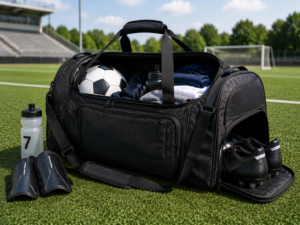
Duffel bags sit in the middle. They provide more space and flexibility, making them suitable for gym use or multi-purpose scenarios. However, they are not optimized for racket storage, which limits their appeal to serious players.
Racket bags are designed specifically for tennis. They offer dedicated compartments, better protection, and higher capacity. These bags are preferred by clubs, academies, and professional users.
A structured comparison:
| Format | Strength | Limitation |
|---|---|---|
| Backpack | Portable | Limited storage |
| Duffel | Versatile | Less specialized |
| Racket bag | High capacity | Bulkier |
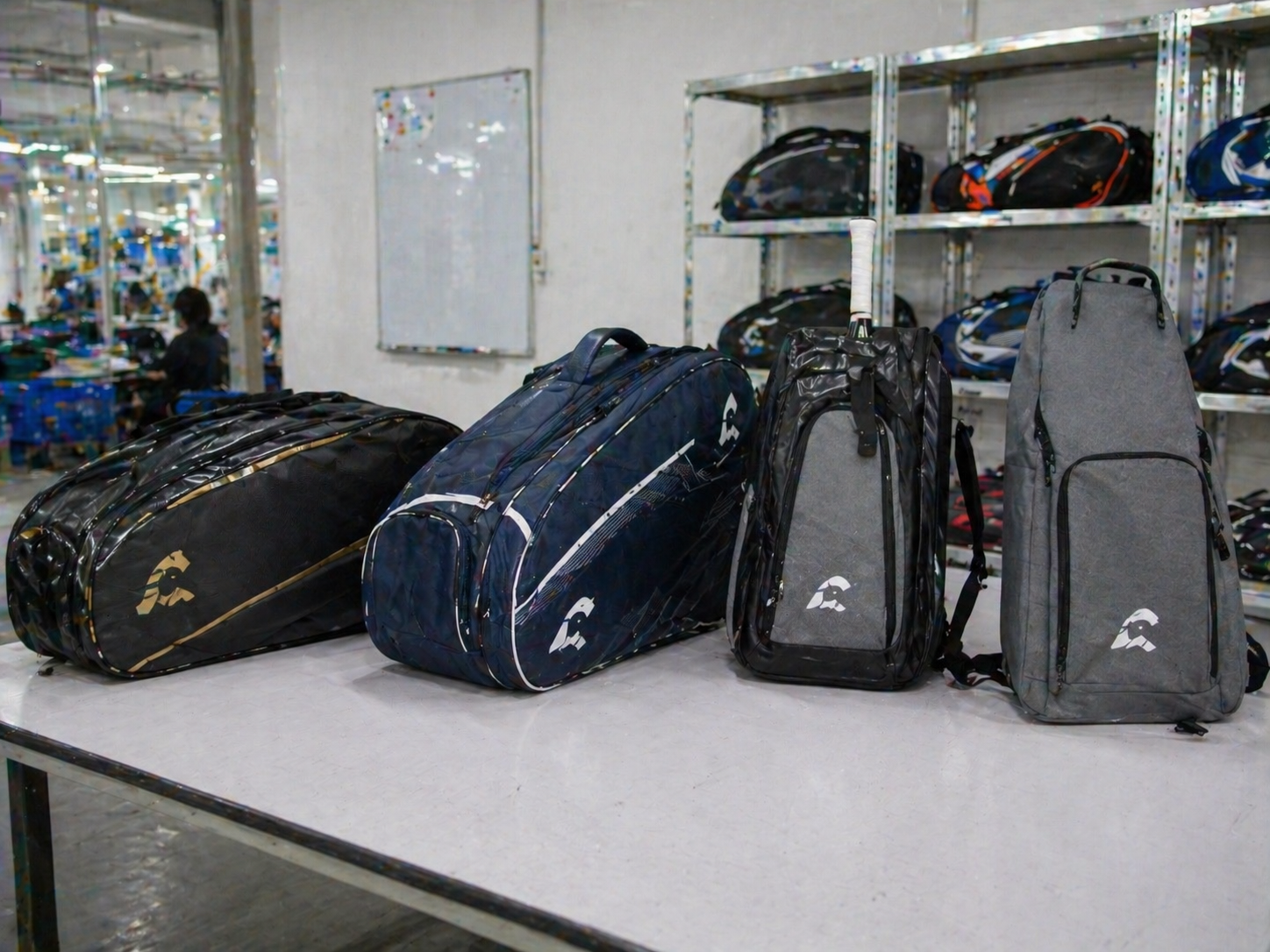
Buyers often build product lines that include all three formats to cover different market segments effectively.
How Does Capacity Design Influence Customer Satisfaction?
Capacity issues are one of the most common sources of negative reviews.
Poor capacity design leads to products that cannot meet real usage needs, even if dimensions appear correct. Functional capacity matters more than theoretical size.
Many users report that bags cannot fit the advertised number of rackets or leave no room for shoes after loading. This is usually caused by inefficient internal layout, oversized padding, or poorly designed compartments.
Effective capacity design requires real-world testing. Bags should be evaluated using actual equipment, including rackets and shoes, to ensure functionality. Reducing unnecessary internal thickness and optimizing compartment proportions improves usable space.
Visual communication is also important. Clear product images and loading demonstrations help align customer expectations with real performance, reducing dissatisfaction.
How Do Materials and Construction Affect Feature Performance?
Features cannot perform well without strong material and construction support.
Material quality and construction methods determine durability, waterproofing, and overall product reliability.
Low-quality materials often lead to early failure. Common problems include tearing fabric, weak stitching, and unreliable zippers. These issues are especially visible in high-use scenarios.
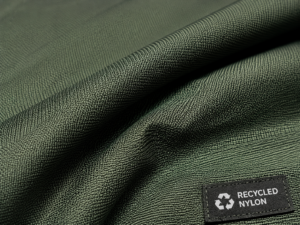
High-density fabrics improve abrasion resistance, while reinforced stitching strengthens key stress points. Structural components such as foam padding and internal boards help maintain shape and protect contents.
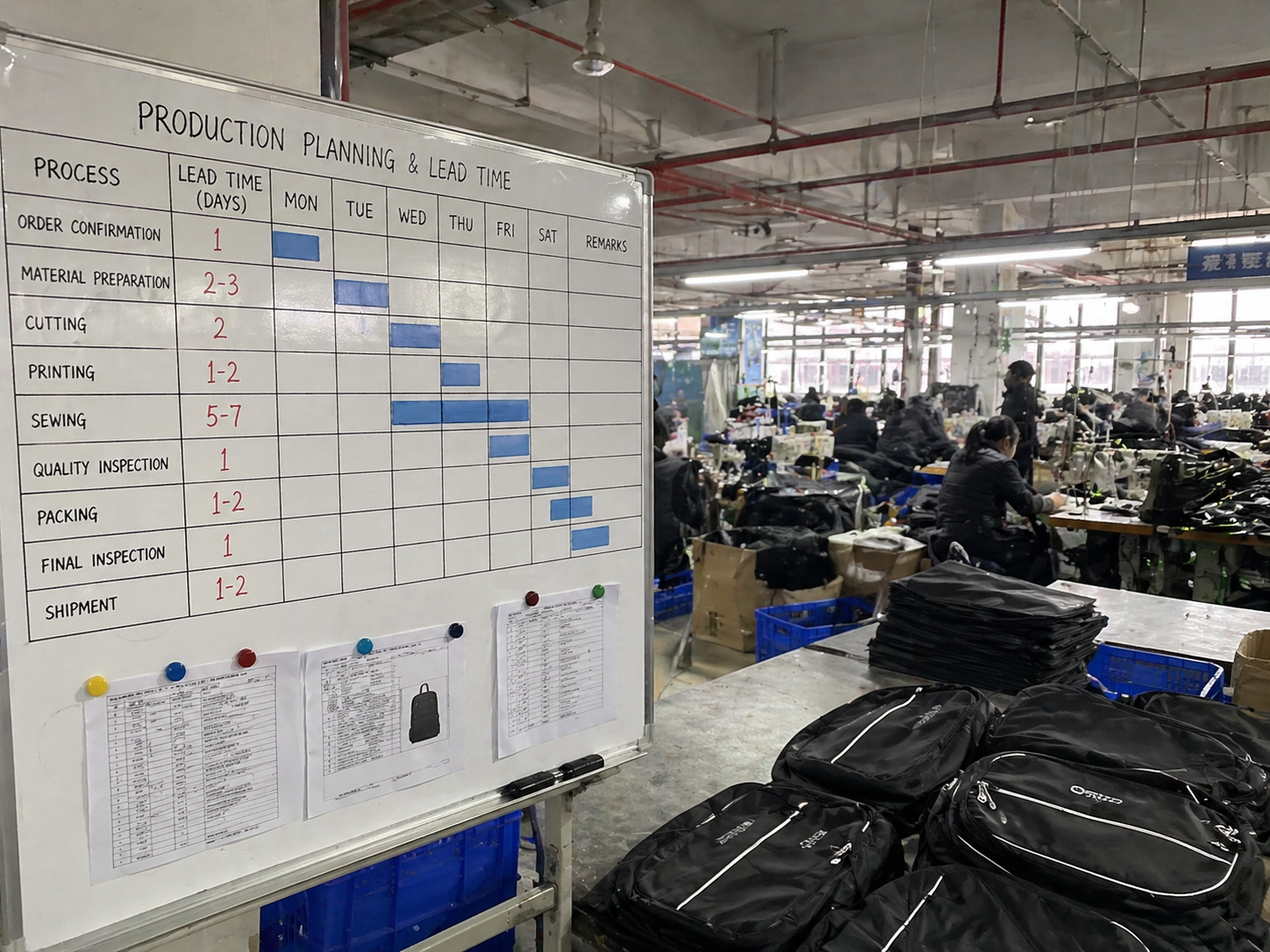
Construction methods also influence performance. For example, poorly sewn compartments may fail even if the design is correct. Consistency between sample and mass production is critical for maintaining product quality.
How Do Ergonomics and Carrying Systems Impact User Experience?
Comfort is a key factor in long-term product usability.
Poor ergonomic design leads to discomfort, while optimized carrying systems improve balance, reduce strain, and enhance overall experience.
Tennis bags are often carried for extended periods. Thin straps, uneven weight distribution, and lack of padding create pressure points and reduce usability. This is a common issue in low-cost products.
Improved ergonomic design includes padded shoulder straps, breathable materials, and balanced load distribution. These features make the bag easier to carry and increase user satisfaction.
Ergonomics should be considered early in the design process rather than added later as an afterthought.
How Should Brands Balance Style and Function in Tennis Bag Design?
Balancing aesthetics and functionality is essential for product success.
Strong products prioritize function first, then enhance visual design to support branding without compromising usability.
Many products fail because they focus too much on appearance while ignoring practical performance. Over-designed bags may look appealing but perform poorly in real use.
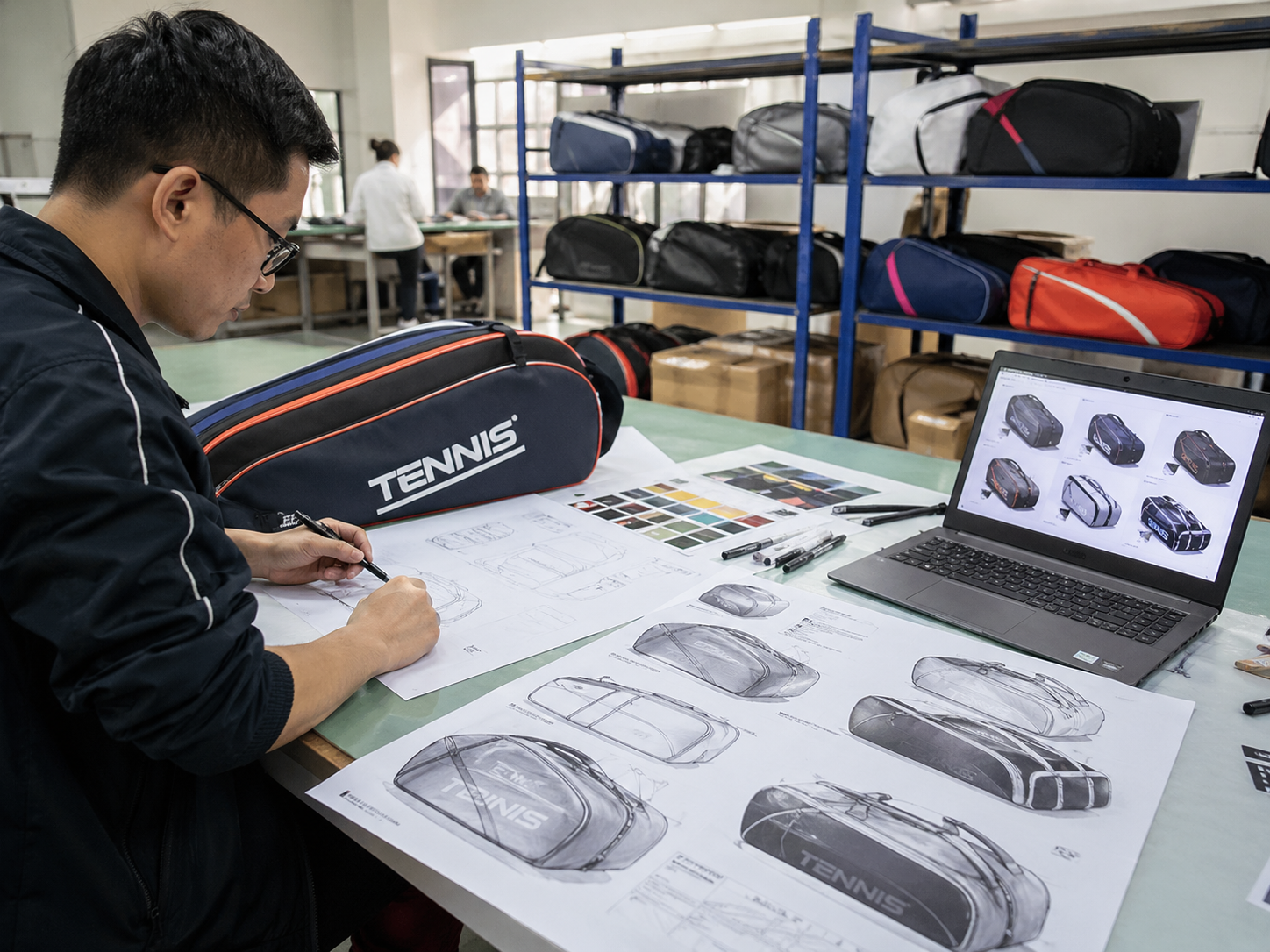
Functional design should define structure, compartments, and materials. Once these elements are optimized, visual features such as color, logo placement, and finish can be added to enhance appeal.
Consistency between design and performance strengthens brand credibility and reduces negative feedback.
How Can Brands Build a Competitive Tennis Bag Product Line?
A strong product line covers multiple segments and use cases.
Successful brands offer a mix of sizes, formats, and feature levels to target different customer groups while maintaining consistent quality.
A balanced product line typically includes entry-level backpacks, mid-range duffel bags, and premium racket bags. This allows brands to capture a wide range of customers while creating upsell opportunities.
Product differentiation is also important. Each model should have clear positioning to avoid internal competition. Consistent design language across the product line strengthens brand identity.
Long-term success depends on aligning product development with market demand and maintaining stable quality across all categories.
Conclusion
Choosing the perfect tennis bag requires balancing size, features, and format. Brands that focus on real usability, strong construction, and clear positioning can reduce market risks and build competitive product lines.