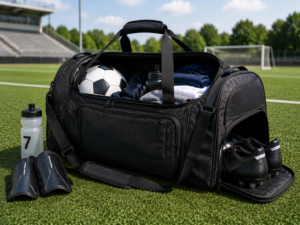
Material selection is one of the most critical factors in tennis bag development. It directly affects durability, structure, user experience, and overall product positioning. In a competitive market, material choices often determine whether a product is perceived as premium or low quality.
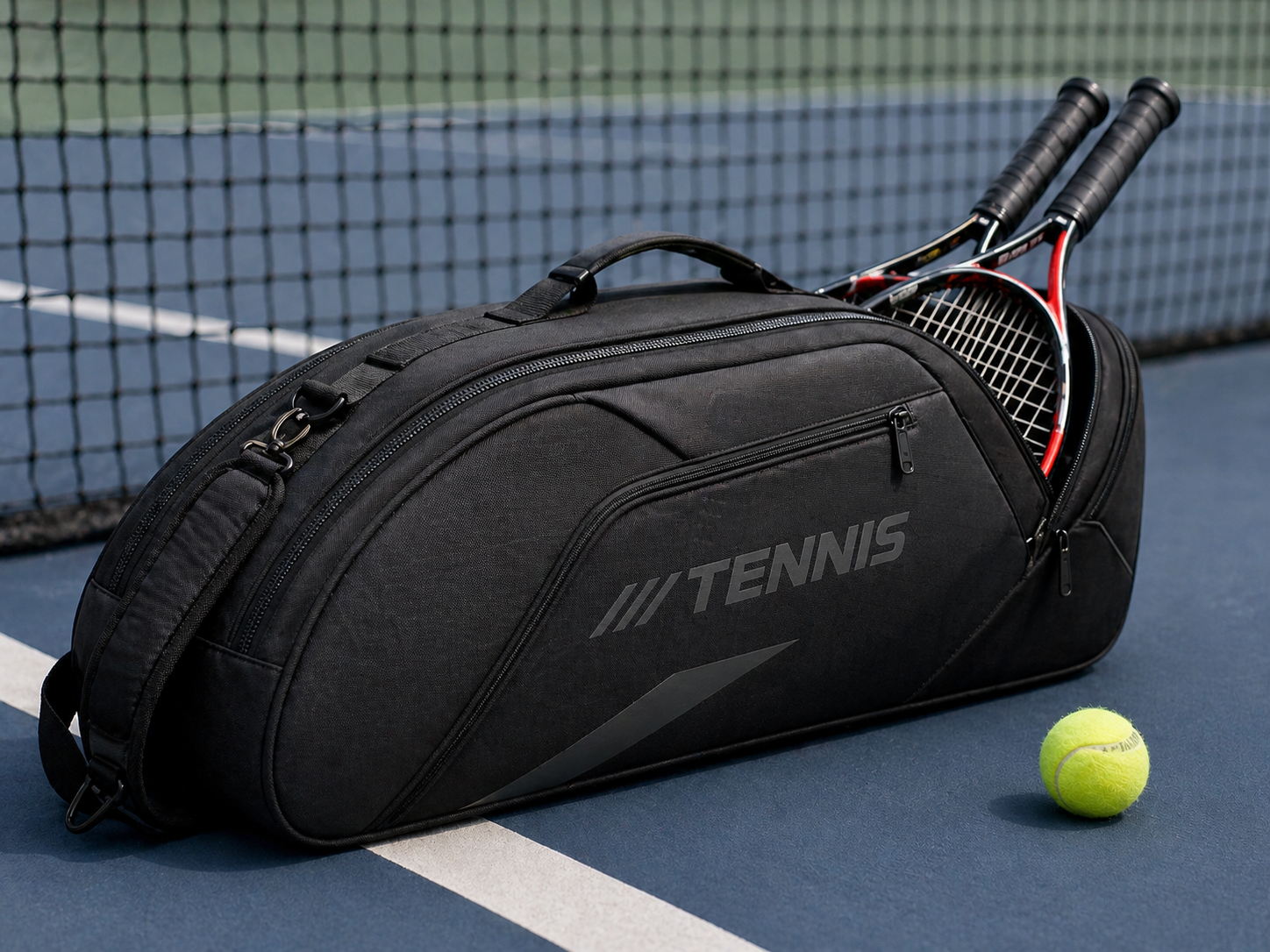
High-quality tennis bags rely on carefully selected fabrics, coatings, and structural materials. The right combination improves durability, enhances functionality, and balances cost with performance.
Understanding how different materials perform helps brands make better product decisions and avoid common market complaints.
What Are the Core Materials Used in Tennis Bags?
Tennis bags are built from multiple material layers, each serving a specific function.
The main materials include outer fabrics, inner linings, reinforcement components, and hardware elements. Each layer contributes to durability, structure, and usability.
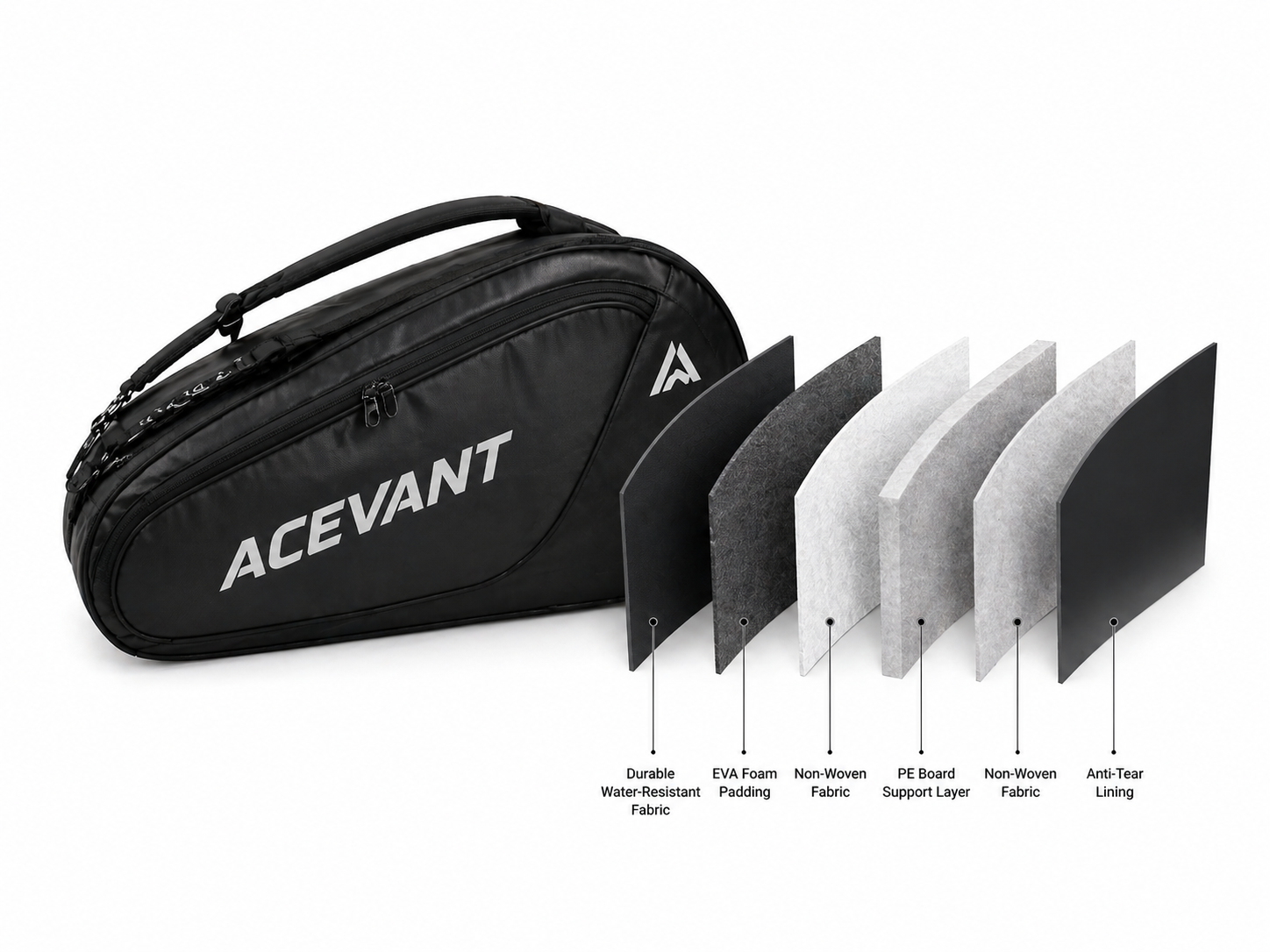
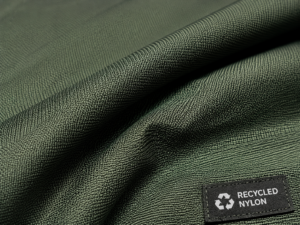
The outer fabric is responsible for abrasion resistance and visual appearance. Common options include polyester and nylon, with higher-denier fabrics offering better durability. Inner linings focus on protecting contents and reducing wear, while also addressing issues such as odor buildup.
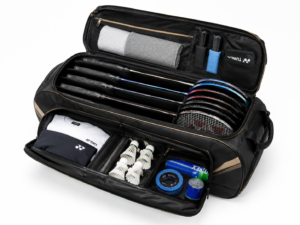
Structural components, such as foam padding and PE boards, provide shape retention and impact protection. Hardware elements, including zippers and buckles, play a crucial role in overall product reliability.
A simplified material structure can be outlined as follows:
| Layer | Function |
|---|---|
| Outer fabric | Durability and aesthetics |
| Lining | Protection and internal finish |
| Padding | Impact absorption |
| Reinforcement | Shape and load support |
| Hardware | Functional operation |
Working with an experienced racket bag manufacturer ensures that these materials are selected and combined effectively to meet both performance and cost targets.
How Do Different Materials Compare in Performance?
Material performance varies significantly depending on composition and treatment.
Polyester offers cost efficiency, nylon provides higher strength, and advanced coated fabrics deliver improved water resistance and durability. Choosing the right material depends on target market positioning.
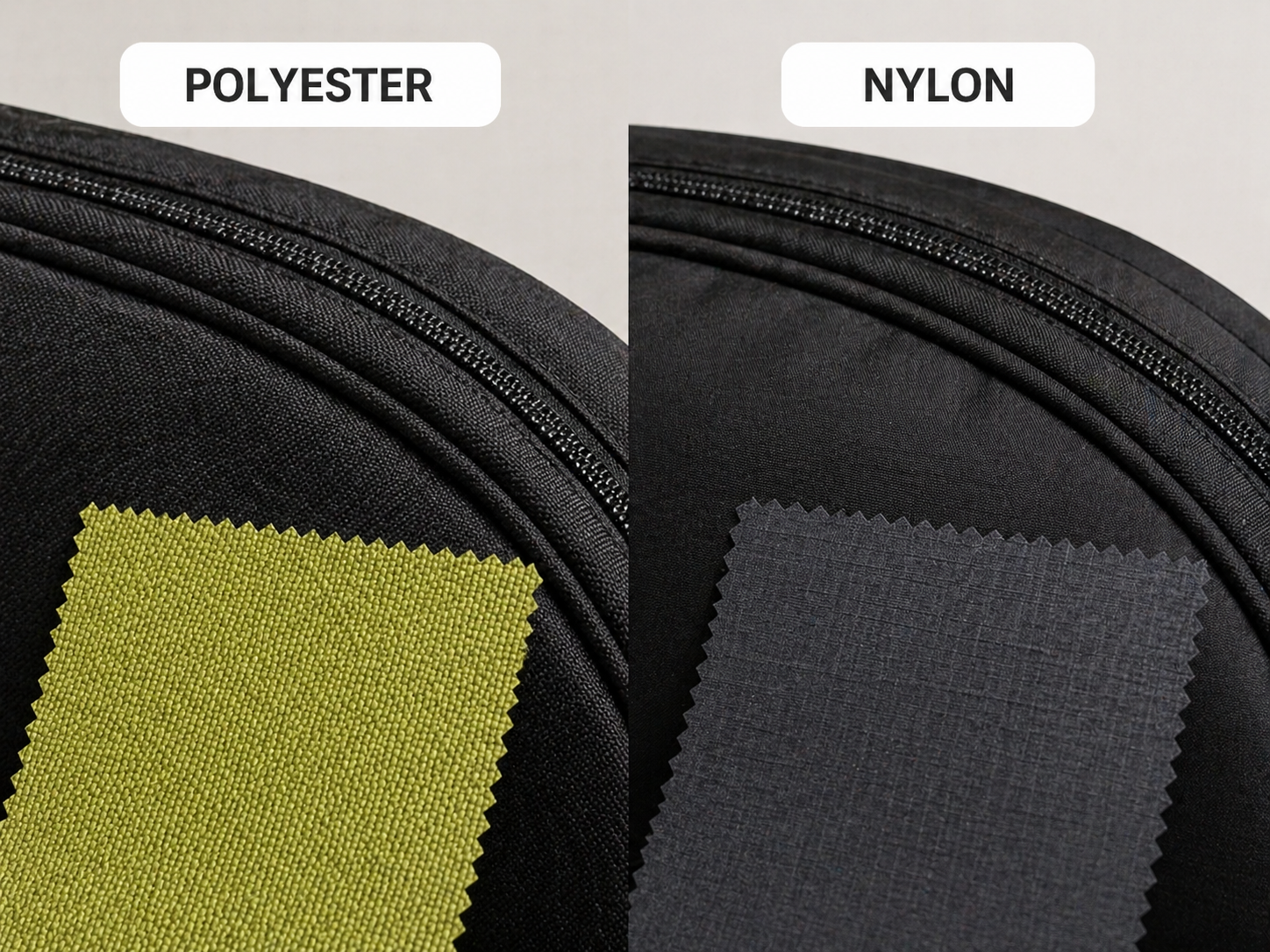
Polyester is widely used due to its balance between cost and performance. It provides decent durability and color retention, making it suitable for entry- to mid-level products. Nylon, especially high-denier variants, offers superior strength and abrasion resistance, which is ideal for premium tennis bags.
Coated fabrics add another layer of performance. PU coatings improve water resistance, while specialized treatments can enhance UV resistance and surface durability. These features are particularly important for outdoor sports equipment exposed to varying environmental conditions.
A comparison of common materials highlights their differences:
| Material | Strength | Cost | Application |
|---|---|---|---|
| Polyester | Moderate | Low | Entry to mid-level |
| Nylon | High | Medium to high | Premium products |
| Coated fabric | Enhanced | Higher | Performance-focused bags |
Selecting the appropriate material involves balancing performance requirements with cost constraints, ensuring the final product meets market expectations.
How Does Material Selection Impact Durability and Cost?
Material decisions directly influence both product lifespan and pricing strategy.
Higher-quality materials improve durability and reduce failure rates, but they also increase production cost. The key is achieving the right balance between performance and market positioning.
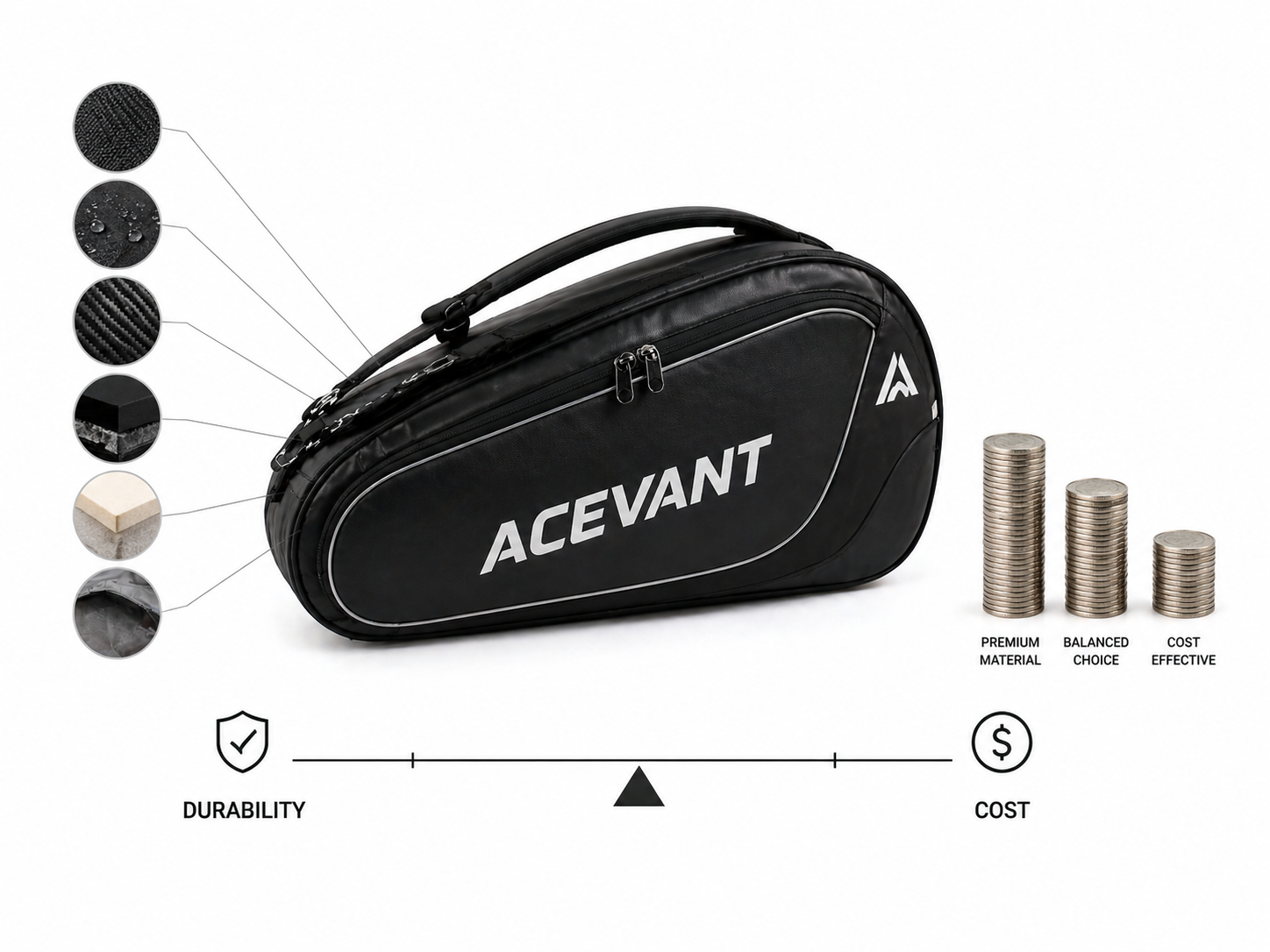
Low-cost materials often lead to common issues such as fabric wear, tearing, and structural deformation. These problems result in negative reviews and increased return rates. On the other hand, premium materials enhance durability but must align with the product’s target price range.
Durability is not determined by fabric alone. Stitching quality, reinforcement design, and material compatibility all play a role. For example, even high-quality fabric can fail if combined with weak stitching or low-grade zippers.
From a cost perspective, brands must consider total lifecycle value rather than initial production cost. A slightly higher material investment can significantly reduce after-sales issues, improving overall profitability.
Brands that collaborate with a reliable tennis bag supplier can optimize material selection to achieve both durability and cost efficiency, ensuring consistent product performance across production batches.
What Waterproof Materials Are Used in Tennis Bags?
Water resistance is a key requirement for sports bags used in outdoor environments.
Waterproof performance is typically achieved through coated fabrics, laminated materials, and water-resistant zippers, rather than relying on fabric alone.
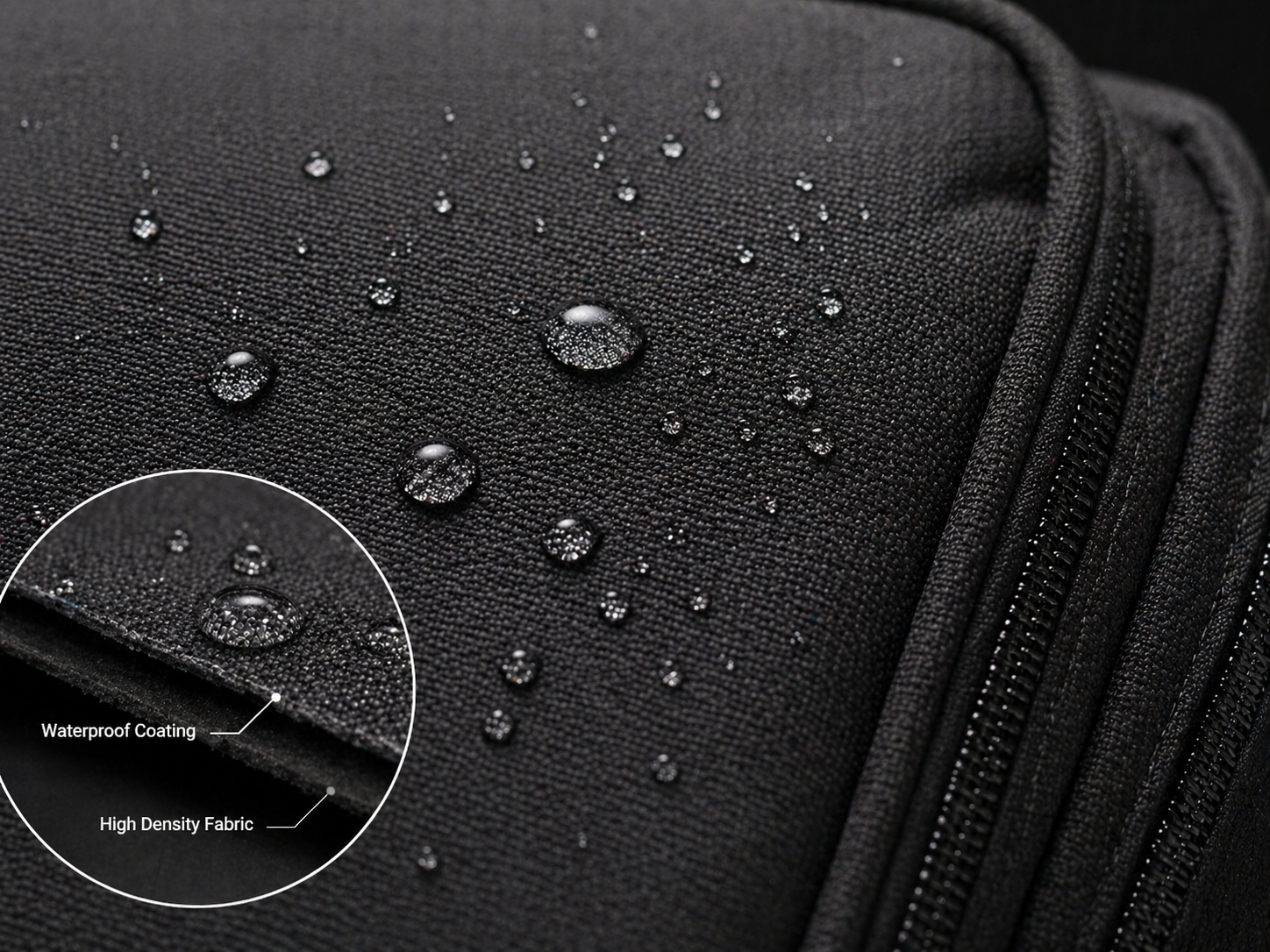
Most tennis bags are not fully waterproof but are designed to be water-resistant. This is usually accomplished through PU or PVC coatings applied to the fabric surface. These coatings create a barrier that prevents water penetration during light rain or moisture exposure.
In addition to fabric treatment, construction techniques also affect water resistance. Seam sealing, zipper coverage, and flap design all contribute to overall performance. Without proper design integration, even coated materials may fail to provide adequate protection.
Water resistance must be balanced with breathability and weight. Overly heavy coatings can reduce user comfort, while insufficient treatment leads to poor performance.
How Are Thermal Materials Used in Tennis Bags?
Thermal protection is an important feature in higher-end tennis bags.
Thermal materials help protect rackets from temperature fluctuations, preserving string tension and equipment performance.
Thermal compartments are typically lined with insulated materials such as aluminum foil layers combined with foam padding. These materials reflect heat and reduce temperature transfer, helping maintain stable conditions inside the bag.
This feature is particularly valued by professional and frequent players, as extreme temperatures can affect racket performance. Including thermal compartments adds functional value and supports premium product positioning.
However, thermal materials must be integrated carefully to avoid excessive bulk. Efficient design ensures that insulation does not significantly reduce usable storage space.
What Reinforcement Materials Improve Structural Strength?
Structural reinforcement is essential for maintaining shape and load capacity.
Reinforcement materials such as PE boards, EVA foam, and high-density padding improve stability, prevent collapse, and enhance durability.
Without reinforcement, tennis bags tend to lose shape, especially under uneven loads. This not only affects usability but also creates a perception of low quality.
PE boards are commonly used to provide rigid support in key areas such as the base and side panels. EVA foam adds cushioning while maintaining structural integrity. Combined with reinforced stitching, these materials create a stable framework that supports the bag under different usage conditions.
The integration of reinforcement materials must be carefully balanced with weight considerations. Excessive reinforcement can make the bag bulky, while insufficient support leads to structural failure.
How Do Materials Influence Brand Positioning in the Market?
Material selection plays a direct role in how a product is perceived by consumers.
Premium materials support high-end positioning, while basic materials align with entry-level markets. Consistent material quality strengthens brand identity and customer trust.
Consumers often judge product quality based on touch, appearance, and durability. High-quality fabrics and finishes create a premium feel, while inconsistent materials lead to negative impressions.
Brands must align material choices with their target market. Entry-level products may prioritize cost efficiency, while premium lines focus on performance and durability. Maintaining consistency across product lines is essential for building a strong brand image.
Material decisions should not be isolated from overall product strategy. They must support design, functionality, and pricing to create a cohesive and competitive offering.
Conclusion
Material selection is the foundation of tennis bag performance and brand value. By choosing the right combination of fabrics, coatings, and reinforcement materials, brands can enhance durability, improve user experience, and achieve strong market positioning.