Most players spend weeks researching rackets, strings, and shoes, yet choose a tennis bag almost at the last minute. The problem usually comes later — during tournaments, travel, or long practice sessions — when the bag starts creating frustration instead of convenience. Shoulder straps become uncomfortable, wet clothing mixes with clean gear, and there never seems to be enough organized storage.
A tennis bag is much more than simple racket storage. It affects equipment protection, organization, travel comfort, and everyday convenience. Modern players often carry multiple rackets, shoes, towels, grips, water bottles, clothing changes, electronics, and personal accessories. Without the right bag design, managing all this equipment quickly becomes inconvenient.
That is why choosing the right tennis bag matters more than most players realize. In this guide, we explain the different types of tennis bags, how to choose the correct size, which materials offer the best durability, why waterproof and thermal protection matter, and what features actually improve player experience both on and off the court.
Why Choosing the Wrong Tennis Bag Becomes a Problem Quickly
Many players underestimate how much daily stress a tennis bag actually handles. Unlike rackets that stay protected between matches, tennis bags are constantly exposed to sunlight, rain, court dust, heavy loads, moisture, travel wear, and repeated opening and closing. Over time, weak materials and poor construction start showing problems fast.
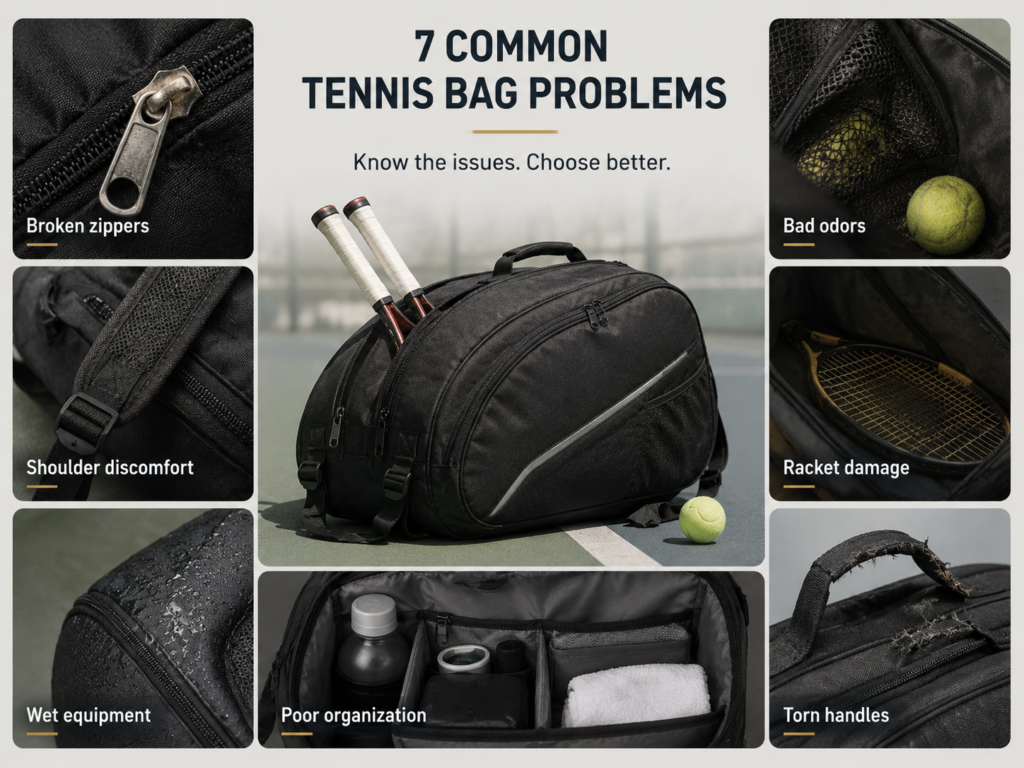
The most common issues players experience include broken zippers, uncomfortable shoulder straps, poor organization, wet equipment after rain, unpleasant odors from trapped moisture, and even racket damage caused by heat exposure inside cars or outdoor courts. Low-quality stitching and weak handles also tend to fail after regular use.
| Common Problem | Main Cause |
|---|---|
| Broken zippers | Cheap zipper systems |
| Shoulder discomfort | Poor strap support |
| Wet equipment | Weak waterproof protection |
| Bad odors inside the bag | Poor ventilation |
| Racket damage | No thermal protection |
| Torn handles | Weak reinforcement stitching |
| Poor organization | Limited compartment design |
A well-designed tennis bag helps solve these problems before they become frustrating during practice, travel, or tournaments.
The Different Types of Tennis Bags Explained
Choosing the right tennis bag starts with understanding how different bag styles are actually used. Not every player needs a large 12-pack tournament bag, while many players quickly outgrow compact backpacks once they begin training more seriously or traveling more often.
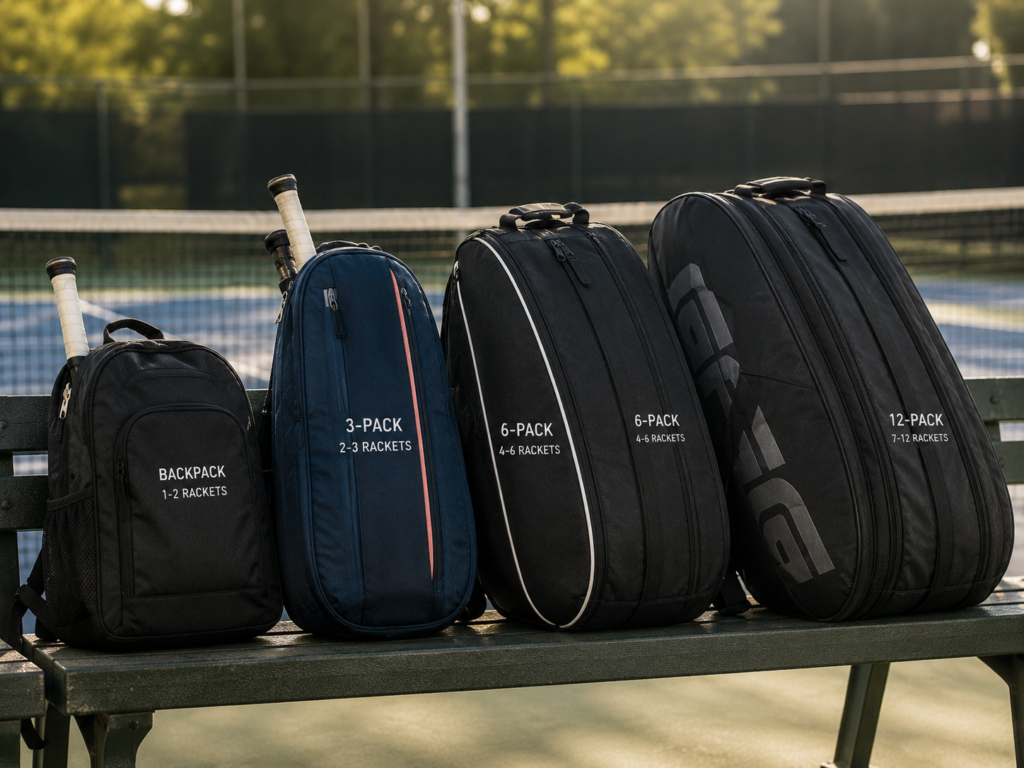
The best tennis bag depends on several factors, including playing frequency, the number of rackets you carry, travel habits, storage needs, weather conditions, and overall carrying comfort. Different bag styles are designed for different levels of play and equipment organization.
Tennis Backpacks
Tennis backpacks are compact, lightweight, and designed for convenience. They are ideal for players who want portability without carrying oversized equipment.
Best For
- Recreational players
- Junior athletes
- School tennis
- Casual practice sessions
- Daily commuting
Advantages
- Lightweight and easy to carry
- Comfortable for walking, cycling, or travel
- Compact enough for everyday use
- Often includes laptop sleeves and water bottle pockets
- Easier for flights and public transportation
Limitations
- Limited racket storage
- Less organization for tournaments
- Smaller shoe compartments
- Reduced thermal protection
Most tennis backpacks comfortably carry 1–2 rackets, shoes, water bottles, small accessories, and light clothing changes. For casual players, this is usually enough for regular practice and local matches.
Multi-Racket Tennis Bags
Multi-racket tennis bags are designed for players who train regularly or compete in tournaments. These bags offer better organization, larger storage capacity, and improved equipment protection.
The most common sizes include:
- 3-Pack
- 6-Pack
- 9-Pack
- 12-Pack
Compared with compact backpacks, these bags usually provide:
- Better organization
- More storage capacity
- Thermal racket protection
- Separate accessory compartments
- Larger shoe storage areas
3-Pack Tennis Bags
3-pack tennis bags are a good balance between portability and racket protection.
Best For
- Recreational competitors
- Junior tournament players
- Weekend practice sessions
Capacity
- 2–3 rackets
- Small accessories
- Limited clothing storage
These bags remain lightweight while offering better organization than standard backpacks.
6-Pack Tennis Bags
For many players, the 6-pack tennis bag is the best all-around option. It provides enough storage for regular training while still remaining comfortable to carry.
Ideal For
- Frequent club players
- Intermediate competitors
- Weekly tournament players
Advantages
- Balanced size and portability
- Enough room for multiple rackets
- Better organization for clothing and accessories
- More practical for regular travel
Many players move into this category once they begin carrying backup rackets, extra shoes, and additional equipment.
9-Pack and 12-Pack Tennis Bags
These larger bags are designed for serious players who carry large amounts of equipment during tournaments or long training sessions.
Best For
- Tournament players
- Coaches
- Advanced competitors
- Long practice sessions
- Travel events
Common Features
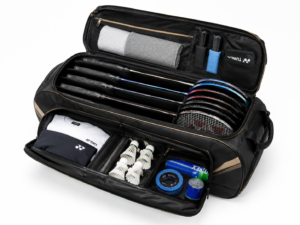
- Multiple thermal racket compartments
- Dedicated shoe tunnels
- Large accessory pockets
- Reinforced carrying systems
- Waterproof materials
- Ergonomic backpack straps
The biggest advantage of these bags is organization and storage capacity. However, fully loaded tournament bags can become quite heavy, making carrying comfort and shoulder support especially important.
Tennis Backpack vs Tennis Bag: Which Is Better?
This is one of the most common questions tennis players ask when choosing a new bag. The right option depends mainly on how often you play, how much equipment you carry, and whether you travel regularly for training or tournaments.
| Feature | Tennis Backpack | Multi-Racket Tennis Bag |
|---|---|---|
| Portability | Excellent | Moderate |
| Racket Capacity | 1–2 rackets | 3–12 rackets |
| Tournament Use | Limited | Excellent |
| Storage Organization | Basic | Advanced |
| Thermal Protection | Sometimes included | Common in most models |
| Travel Convenience | Better for commuting | Better for tournaments |
| Weight | Lightweight | Heavier when fully loaded |
Choose a Tennis Backpack If:
- You play casually or recreationally
- You carry only 1–2 rackets
- You prefer lightweight and compact gear
- You commute frequently or travel lightly
- You want a bag that works for both sports and daily use
Tennis backpacks are easier to carry and more convenient for short practice sessions, school tennis, or local club matches.
Choose a Multi-Racket Tennis Bag If:
- You train several times per week
- You compete regularly in tournaments
- You carry backup rackets and extra gear
- You need better organization and storage space
- You travel often for matches or training
Multi-racket bags provide better protection, larger compartments, and more space for shoes, clothing, accessories, and thermal racket storage. For serious players, they are usually the more practical long-term choice.
How Many Rackets Should Your Tennis Bag Hold?
Choosing the right tennis bag size is just as important as choosing the bag style itself. One of the most common mistakes players make is buying a bag that is either too large or too small for their actual needs.
Oversized bags often become heavy, bulky, and inconvenient for daily use, while smaller bags quickly run out of storage space once players begin carrying extra equipment.
The ideal bag size usually depends on how often you play, how many rackets you carry, and how much additional gear you bring to the court.
Casual Players
If you mainly play:
- Once or twice per week
- Recreational club matches
- Occasional practice sessions
then a tennis backpack or 3-pack bag is usually enough.
These bags provide enough room for:
- 1–3 rackets
- Shoes
- Water bottles
- Basic accessories
- Light clothing changes
For casual players, compact and lightweight storage is often more practical than carrying oversized equipment.
Intermediate Players
Intermediate players usually carry more gear as training becomes more regular. This often includes:
- Backup rackets
- Towels
- Grips and strings
- Tennis shoes
- Extra clothing
For this level, a 6-pack tennis bag is often the best balance between storage capacity and portability. It provides better organization without becoming too large or uncomfortable to carry.
Competitive Players
Tournament players and advanced competitors typically travel with much more equipment, including:
- 4–8 rackets
- Multiple pairs of shoes
- Accessories and overgrips
- Recovery tools
- Towels and clothing changes
- Snacks and nutrition supplies
For these players, a 9-pack or 12-pack tennis bag is usually the most practical option. Larger bags provide better organization, thermal racket protection, and enough storage for long tournament days or travel events.
Why Thermal Protection Matters in a Tennis Bag
Many players focus on rackets and strings but ignore how heat affects tennis equipment during daily use. Inside parked cars, outdoor courts, or tournament areas, temperatures can rise very quickly. Long-term heat exposure can damage both rackets and accessories without players noticing immediately.
High temperatures commonly affect:
- String tension stability
- Grip lifespan and texture
- Frame performance over time
- Overall racket consistency during play
This is why many premium tennis bags now include thermal protection compartments. Thermal lining helps reduce temperature changes inside the bag and protects rackets from excessive heat exposure during travel or outdoor tournaments.
For players who train regularly or compete frequently, thermal protection is now considered one of the most important features in a modern tennis bag.
Waterproof vs Water-Resistant Tennis Bags
Many players assume every tennis bag can handle rain and moisture. In reality, there is a major difference between water-resistant and waterproof construction.
Water-Resistant Tennis Bags
Water-resistant bags usually use coated fabrics that can handle light rain and small amounts of moisture. These bags work well for:
- Daily commuting
- Indoor training
- Light outdoor use
- Short travel sessions
However, during heavy rain or long exposure to moisture, water can still enter through seams or zippers.
Waterproof Tennis Bags
Waterproof tennis bags provide a much higher level of protection by using:
- Waterproof coated fabrics
- Reinforced seam construction
- Waterproof zippers
- Moisture-resistant lining materials
These bags are better suited for:
- Outdoor tournaments
- Rainy weather conditions
- Long travel days
- Humid environments
Modern players increasingly prefer waterproof construction because it helps protect expensive rackets, grips, clothing, and electronics from moisture damage.
Why Waterproof Construction Solves Real Problems
Many players only realize the value of waterproof protection after equipment gets damaged during travel or bad weather.
Common situations include:
- Sudden rain during tournaments
- Wet court benches
- Moisture inside car trunks
- Spilled sports drinks
- Damp clothing mixing with dry equipment
Poor waterproof construction often leads to:
- Mold growth
- Unpleasant odors
- Damp grips and towels
- Wet clothing
- Moisture damage to electronics
Professional tennis bag manufacturers now commonly use TPU-coated fabrics, waterproof zipper systems, reinforced seams, and moisture-resistant linings to improve long-term durability and equipment protection.
Important Features to Look For in a Tennis Bag
The best tennis bags are designed around how players actually train, travel, and organize equipment. A well-designed bag improves comfort, storage efficiency, and long-term convenience.
Shoe Compartments
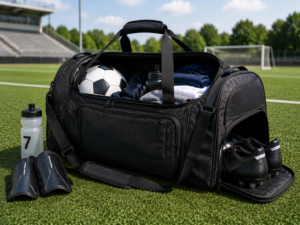
Tennis shoes easily bring dirt, clay, and odor into the bag. Without a separate shoe compartment:
- Dirt spreads inside the bag
- Clothing becomes messy
- Odors transfer into clean gear
Modern tennis bags often include ventilated shoe compartments with separate tunnels or waterproof lining materials to keep the main storage area cleaner and more organized.
Wet & Dry Separation
After practice or tournaments, players often carry:
- Sweaty apparel
- Wet towels
- Damp wristbands
Without separate compartments, moisture spreads throughout the bag and creates unpleasant odors.
Wet and dry separation helps improve:
- Hygiene
- Organization
- Freshness
- Long-term bag condition
Ergonomic Shoulder Straps
A fully loaded tennis bag can become heavy very quickly, especially during tournaments or travel days.
Poor shoulder strap systems often cause:
- Shoulder discomfort
- Neck fatigue
- Uneven weight distribution
- Carrying pressure during long use
High-quality tennis bags use:
- Thick foam padding
- Adjustable ergonomic straps
- Breathable mesh backing
- Balanced carrying systems
These features improve comfort during both daily training and long tournament sessions.
Accessory Organization
Modern players carry far more than rackets alone. Common accessories include:
- Grips
- Strings
- Phones
- Wallets
- Keys
- Snacks
- Tape
- Recovery tools
Without proper storage pockets, these small items quickly become difficult to organize. Dedicated accessory compartments help improve convenience and reduce clutter inside the bag.
Best Materials for Tennis Bags
Material quality directly affects durability, waterproof performance, weight, abrasion resistance, and long-term reliability.
| Material | Durability | Waterproof Performance | Weight | Best Use |
|---|---|---|---|---|
| Polyester | Good | Moderate | Lightweight | Everyday tennis bags |
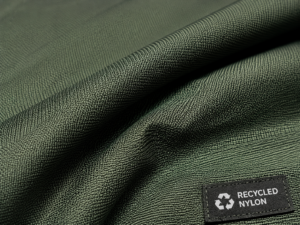
| Nylon | Excellent | Good | Lightweight | Premium sports bags |
| TPU-Coated Fabric | Excellent | High | Moderate | Waterproof tennis bags |
| PVC | Very High | Excellent | Heavy | Extreme moisture protection |
Polyester Tennis Bags
Polyester remains one of the most widely used tennis bag materials because it balances:
- Lightweight construction
- Affordability
- Printability
- Good everyday durability
However, lower-quality polyester may wear faster under heavy tournament use or long-term travel conditions.
Nylon Tennis Bags
Nylon generally offers better:
- Tear resistance
- Abrasion resistance
- Durability
- Premium appearance
High-denier nylon fabrics are commonly used in higher-end sports bags because they perform better under repeated stress and outdoor use.
TPU-Coated Fabrics
TPU-coated materials are becoming increasingly popular in premium sports bags because they combine waterproof protection with modern appearance and strong durability.
Main advantages include:
- Excellent waterproof performance
- Better weather resistance
- Strong abrasion resistance
- Flexible construction
- Modern premium finish
This material is especially useful for:
- Outdoor tournaments
- Travel players
- Waterproof tennis bags
- High-performance sports bags
Why Zipper Quality Matters
Zippers are one of the first parts to fail on low-quality tennis bags. Cheap zipper systems often create problems such as:
- Broken zipper teeth
- Misalignment
- Difficult opening and closing
- Water leakage
- Premature wear
High-quality tennis bags usually include:
- Reinforced zipper stitching
- Waterproof zipper coatings
- Smooth glide systems
- Strong zipper pulls
Good zipper construction greatly improves long-term reliability and daily convenience.
Common Tennis Bag Buying Mistakes
Many players choose bags mainly based on appearance instead of functionality. This often creates problems later during regular use.
Buying a Bag That Is Too Large
Oversized bags can become:
- Heavy
- Bulky
- Inconvenient for daily training
Ignoring Waterproof Features
Outdoor players often regret buying bags without:
- Waterproof materials
- Sealed seams
- Waterproof zippers
Forgetting Shoe Storage
Without separate shoe compartments:
- Odors spread faster
- Organization becomes messy
- Clothing gets dirty
Choosing Poor Shoulder Straps
Weak carrying systems create discomfort during tournaments and travel.
Prioritizing Style Over Function
A bag may look good visually, but poor organization and weak durability quickly become frustrating during real use.
How Long Should a Tennis Bag Last?
The lifespan of a tennis bag depends heavily on:
- Material quality
- Usage frequency
- Travel conditions
- Waterproof construction
- Zipper durability
- Daily storage habits
| Usage Level | Average Lifespan |
|---|---|
| Casual Use | 3–5 years |
| Regular Club Use | 2–4 years |
| Heavy Tournament Travel | 1–3 years |
Premium materials and reinforced construction usually provide much better long-term durability.
How Professional Tennis Bags Are Tested
High-quality tennis bags go through multiple durability tests before production to improve long-term performance.
Strap Load Testing
Shoulder straps are tested for:
- Stitch strength
- Weight distribution
- Foam durability
Waterproof Testing
Waterproof testing checks:
- Fabric penetration resistance
- Seam durability
- Zipper sealing performance
- Coating effectiveness
Abrasion Testing
Fabric materials are tested against:
- Friction
- Dragging wear
- Repeated travel use
Zipper Cycle Testing
Zippers are repeatedly opened and closed to test long-term durability and smooth performance.
How to Choose the Right Tennis Bag for Your Playing Style
Different players require different storage systems depending on training level and travel needs.
Recreational Players
Best Choice
- Lightweight tennis backpack
- Compact 3-pack bag
Priorities
- Portability
- Comfort
- Simple organization
Club Players
Best Choice
- 6-pack tennis bag
- Duffel-style tennis bag
Priorities
- Better storage
- Shoe compartments
- Waterproof protection
Tournament Players
Best Choice
- 9-pack or 12-pack thermal bag
Priorities
- Thermal protection
- Large storage capacity
- Waterproof durability
- Comfortable carrying support
Junior Players
Best Choice
- Lightweight backpack
Priorities
- Reduced weight
- Comfortable straps
- Easy organization
Future Trends in Tennis Bag Design
Modern tennis bags continue evolving as players expect better comfort, durability, and organization.
Popular trends now include:
- Lightweight construction
- Waterproof materials
- Sustainable fabrics
- Smarter storage systems
- Better ventilation
- Improved travel compatibility
- Premium modern appearance
The market is moving toward tennis bags that combine performance, comfort, and durability instead of simple storage only.
FAQ
What size tennis bag should I buy?
The ideal tennis bag size depends on how often you play and how much equipment you carry. Casual players usually prefer tennis backpacks or compact 3-pack bags, while competitive players often choose 6-pack, 9-pack, or larger tournament bags for additional storage and organization.
Are thermal tennis bags worth it?
Yes. Thermal compartments help protect racket strings, grips, and frame tension from excessive heat exposure during travel, tournaments, and outdoor play. This feature is especially useful for players who regularly leave equipment in cars or train in hot weather.
Do I need a waterproof tennis bag?
If you frequently play outdoors or travel in different weather conditions, waterproof or water-resistant construction is highly recommended. Waterproof materials and sealed zippers help protect rackets, clothing, and electronics from rain and moisture.
What is the best material for a tennis bag?
High-quality nylon and TPU-coated fabrics are commonly considered the best materials for modern tennis bags because they provide excellent durability, waterproof performance, abrasion resistance, and lightweight construction.
How many rackets fit inside a 6-pack tennis bag?
Most 6-pack tennis bags comfortably hold between 4–6 rackets depending on the internal compartment design, thermal lining, and additional accessory storage space.
Are tennis backpacks good for tournaments?
Tennis backpacks work well for casual practice sessions and light competition. However, players who compete regularly in tournaments usually prefer larger multi-racket tennis bags for better organization, thermal protection, and additional storage capacity.
How long should a tennis bag last?
A quality tennis bag typically lasts between 2–5 years depending on material quality, usage frequency, travel conditions, and overall maintenance. Premium materials and reinforced construction usually provide better long-term durability.
Conclusion
Choosing the right tennis bag is about much more than appearance. The best tennis bag should match your playing frequency, equipment needs, travel habits, weather conditions, and storage preferences.
Casual players may only need a lightweight backpack, while tournament athletes often require thermal protection, waterproof construction, ergonomic carrying systems, and larger storage capacity.
Material quality, zipper durability, waterproof performance, and smart organization all directly affect long-term user experience. A well-designed tennis bag protects equipment, improves comfort, and makes training, travel, and tournaments much more convenient.
If you are looking for a reliable custom tennis bag manufacturer, choosing high-quality materials, professional waterproof construction, and functional storage design can greatly improve both player experience and long-term durability.