China remains the leading sourcing hub for badminton bags, offering strong manufacturing capacity and competitive pricing. However, the market is highly fragmented. Choosing the wrong supplier can lead to quality issues, delays, and long-term business risks.
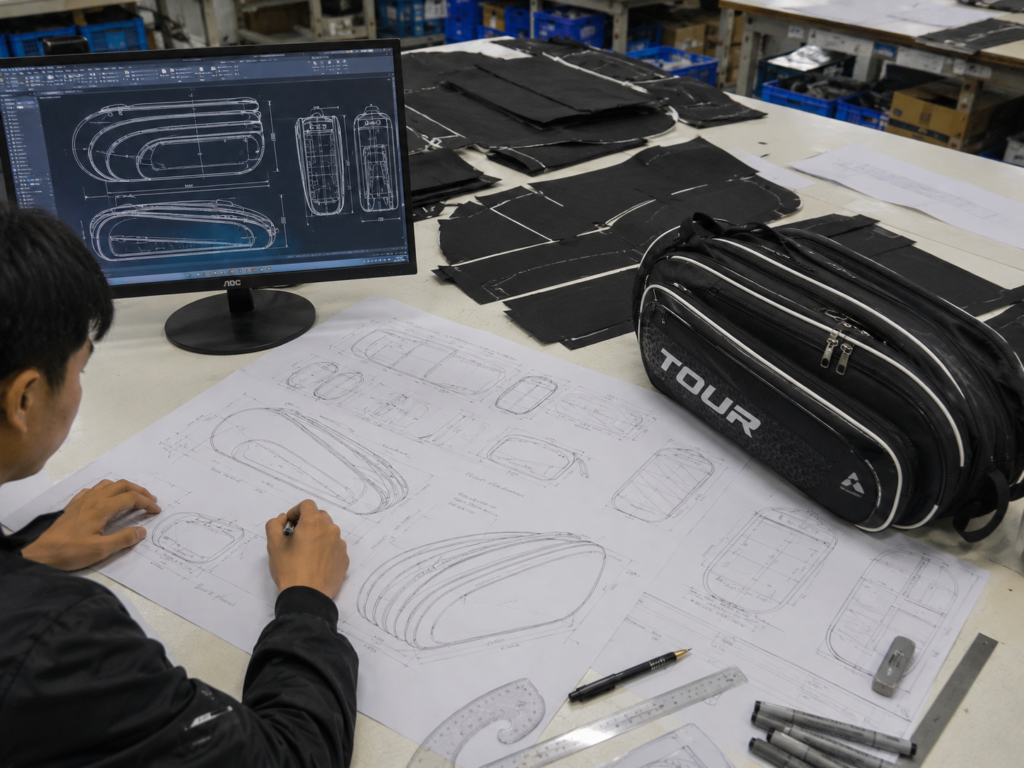
A reliable badminton bag manufacturer must demonstrate consistent quality, strong development capability, clear communication, and verified production systems. Proper evaluation reduces sourcing risks and ensures stable long-term cooperation.
Understanding how to evaluate factories beyond surface-level information is essential for making the right decision.
What Are the Key Criteria for Evaluating Badminton Bag Manufacturers in China?
Supplier evaluation should focus on real capabilities, not just pricing.
Key criteria include product specialization, manufacturing experience, quality consistency, and the ability to support OEM/ODM development.
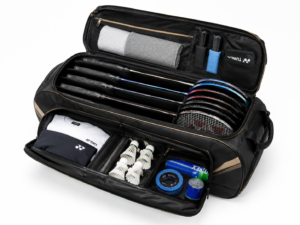
A specialized manufacturer has a clear advantage. Factories experienced in badminton or racket bags understand structural requirements such as racket compartments, thermal lining, and load distribution. General bag factories often lack this level of expertise.
Experience also matters. A factory with years of production history is more likely to have stable processes and reliable suppliers for materials and accessories.
Quality consistency is critical. Many buyers face the problem where samples look good but bulk production differs. This usually indicates weak quality control systems.
Key evaluation factors:
| Criteria | What to Check |
|---|---|
| Specialization | Focus on sports or racket bags |
| Experience | Years and client portfolio |
| Quality consistency | Sample vs bulk reliability |
| Development ability | OEM/ODM support |
Brands sourcing badminton products can explore options from a professional badminton bag manufacturer to better understand how specialization impacts product quality.
How to Conduct a Factory Audit for Sports Bag Suppliers?
A factory audit provides direct insight into real production conditions.
Effective audits focus on production processes, worker skills, quality control systems, and material management rather than relying only on documents.
An on-site audit allows buyers to verify whether the factory can deliver consistent quality at scale. Key areas to observe include production lines, stitching quality, and how materials are handled during manufacturing.
Workflow organization is another important indicator. A well-organized factory typically has clearer processes and better efficiency, reducing the risk of delays.
A practical audit checklist:
| Area | Key Observation |
|---|---|
| Production line | Equipment and workflow |
| Workers | Skill level and training |
| QC process | Inspection points |
| Material storage | Organization and protection |
If an on-site visit is not possible, third-party inspection services can provide similar verification.
What Certifications Should Buyers Check When Sourcing Badminton Bags?
Certifications indicate compliance and management standards.
Buyers should verify quality, social compliance, and material safety certifications to ensure products meet international requirements.
Certifications do not guarantee quality, but they show that the factory follows standardized systems. For export markets, compliance is often mandatory.
Common certifications include:
| Certification | Purpose |
|---|---|
| ISO 9001 | Quality management |
| BSCI / SEDEX | Social compliance |
| REACH | Chemical safety |
| Material test reports | Performance validation |
Buyers should confirm that certifications are valid and relevant to their target markets.
How Do Production Capabilities Affect Supplier Reliability?
Production capability determines whether a factory can meet demand.
Key factors include production capacity, technical expertise, and flexibility in handling different order sizes and customization needs.
Production capacity affects delivery timelines. A factory must have enough workers and production lines to handle orders without delays.
Technical expertise is equally important. Factories with strong development teams can provide design improvements, suggest better materials, and solve structural issues.
Flexibility is another key factor. Brands often require small trial orders before scaling up. A factory that can handle both small and large orders provides more value.
A reliable sports bag supplier should be able to support both development and mass production without compromising quality.
How Can Buyers Identify Quality Control Strength in a Factory?
Quality control is the foundation of consistent production.
A strong QC system includes material inspection, in-line checks, and final product testing to ensure consistency across batches.
Many common product issues—such as zipper failure, weak stitching, and fabric inconsistency—are caused by poor QC rather than design flaws.
Factories with strong QC systems implement multiple inspection stages. They check raw materials before production, monitor quality during manufacturing, and inspect finished products before shipment.
Consistency between sample and bulk production is the key indicator of a reliable supplier.
What Are Common Risks When Choosing the Wrong Manufacturer?
Selecting the wrong supplier can create serious problems.
Common risks include inconsistent quality, delayed delivery, poor communication, and inability to scale production.
Low-cost suppliers may reduce material quality during production, leading to product failure. Delays in delivery can disrupt sales schedules and damage customer relationships.
Communication issues often lead to misunderstandings, especially in OEM projects where specifications must be precise.
Identifying these risks early helps avoid long-term losses.
How to Build a Long-Term Partnership With a Reliable Manufacturer?
Strong partnerships improve efficiency and stability.
Long-term cooperation is built on clear communication, consistent quality, and continuous product improvement.
Once a reliable supplier is selected, maintaining the relationship becomes important. Regular communication ensures alignment on product requirements and timelines.
Feedback from the market should be shared with the factory to improve product design and quality. Over time, this leads to better efficiency and stronger collaboration.
Long-term partnerships also provide advantages such as priority production and better cost control.
Conclusion
Choosing a reliable badminton bag manufacturer in China requires careful evaluation of specialization, quality control, certifications, and production capability. Brands that invest in proper supplier selection can reduce risks, ensure product consistency, and build a strong foundation for long-term growth.