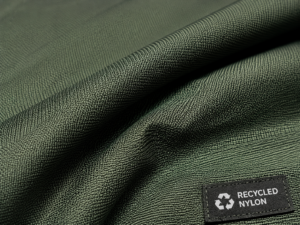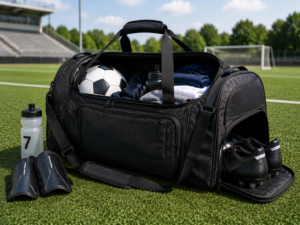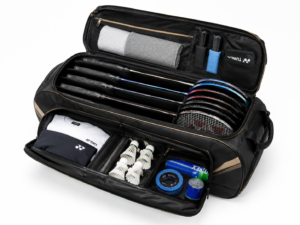
A backpack may look waterproof on the outside, but appearance alone does not guarantee real protection in rain, wet travel conditions, or outdoor adventures. Many bags labeled “water-resistant” can still allow moisture to enter through seams, zippers, or fabric coatings after extended exposure to water. That is why understanding how to test your backpack’s waterproof performance is important before relying on it to protect electronics, clothing, cameras, or other valuable gear.
The good news is that you do not need professional laboratory equipment to evaluate a backpack’s waterproof level. With a few simple at-home tests, you can quickly check how well the fabric, zippers, seams, and overall construction resist water penetration. Whether you use your backpack for hiking, commuting, cycling, travel, or outdoor work, these practical testing methods can help you understand how your bag performs in real-world conditions.
In this guide, we will explain several easy ways to test backpack waterproofing, how to identify weak points in water protection, and what different waterproof ratings actually mean before you buy or use a backpack in wet environments.
Key Takeaways
- Understand the difference between waterproof and water-resistant backpacks before buying or testing one. Waterproof backpacks are designed to block water completely, while water-resistant bags only provide limited protection against light moisture or short exposure.
- Simple at-home tests can help evaluate your backpack’s waterproof performance. Common methods include the paper towel test, hose spray test, shower simulation, or real rain testing to identify potential leaks.
- Always inspect seams, zippers, and stitching carefully, since these areas are usually the first points where water enters the backpack.
- Choose a backpack based on your actual usage environment. For hiking, motorcycle riding, travel, or heavy outdoor use, look for higher waterproof ratings, sealed seams, and water-resistant zipper construction.
- Testing your backpack before trips helps detect weak points early and reduces the risk of water damage to electronics, clothing, documents, or outdoor gear.
What Does “Waterproof” Really Mean?
When shopping for backpacks, many people see terms like “waterproof” and “water-resistant” used interchangeably. However, these two terms describe very different levels of water protection, and understanding the difference is important before relying on any backpack in wet conditions.
Waterproof vs. Water-Resistant Backpacks
A waterproof backpack is designed to completely prevent water from entering, even during heavy rain, prolonged exposure, or temporary submersion. These backpacks are commonly made using specialized materials such as:
- TPU-coated fabric
- PVC
- PU-coated nylon
- Laminated waterproof textiles
They also typically feature:
- Heat-sealed or welded seams
- Waterproof zippers or roll-top closures
- Reinforced waterproof construction
These features help ensure that water cannot penetrate through stitching holes, seams, or openings.
In contrast, a water-resistant backpack only offers limited protection against light rain or splashes. Water-resistant bags usually use coated polyester or nylon fabrics, but the seams and zippers are often not fully sealed. During prolonged rain or high-pressure water exposure, moisture can still enter the bag.
Quick Comparison
| Feature | Waterproof Backpack | Water-Resistant Backpack |
|---|---|---|
| Water Protection | Blocks water completely | Handles light moisture only |
| Seams | Sealed or welded | Standard stitched seams |
| Materials | TPU, PVC, coated technical fabrics | Polyester or nylon with coating |
| Best Use | Heavy rain, outdoor adventures, water sports | Daily commuting, light rain |
| Performance in Storms | Reliable long-term protection | May leak during extended exposure |
Why Waterproof Performance Matters
Choosing the wrong level of protection can easily lead to damaged belongings. A water-resistant backpack may perform well during light drizzle, but in heavy rain or wet outdoor conditions, water can seep through seams, zipper areas, or fabric coatings.
This becomes especially important if you carry:
- Laptops or tablets
- Cameras and electronics
- Important documents
- Outdoor clothing
- Camping equipment
For hiking, travel, cycling, commuting, or outdoor work, understanding how waterproof your backpack truly is helps prevent unexpected water damage and keeps your gear protected in changing weather conditions.
Knowing these differences helps you choose the right backpack for your trips. When you test your backpack, you will know what to expect in real life.
How to Test the Waterproof Level of Your Backpack
If you want to know whether your backpack can truly protect your gear from rain and moisture, the best solution is to test it yourself before using it outdoors. The good news is that you do not need professional waterproof testing equipment or laboratory tools. With a few simple household items, you can quickly evaluate how well your backpack resists water penetration and identify possible weak points before your next trip.
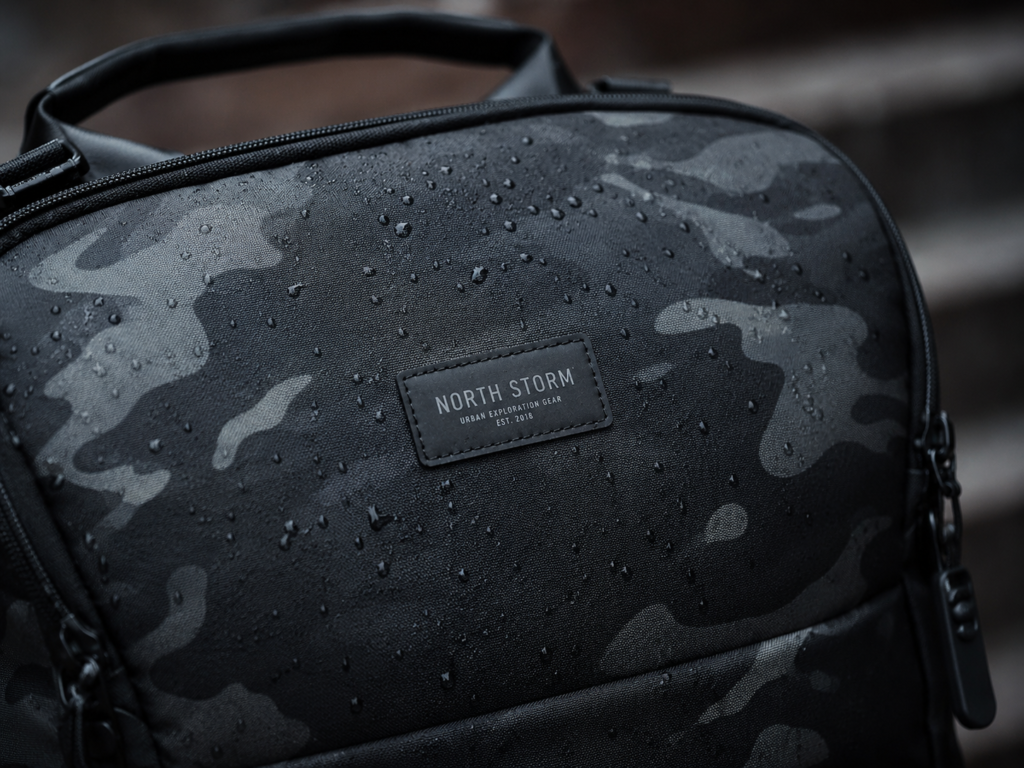
One of the easiest and most practical methods is the paper towel test, which helps reveal leaks around seams, zippers, fabric coatings, and stitching areas.
Paper Towel Waterproof Test
The paper towel test is a simple way to check whether water can enter your backpack during light or moderate exposure.
What You Need
- 3–5 dry paper towels
- A bowl, measuring cup, or spray bottle
- Clean water
- A pen or marker for notes (optional)
Step-by-Step Testing Process
Step 1: Prepare the Backpack
Open the backpack and place dry paper towels inside the main compartment. Make sure to cover:
- The bottom area
- Corners
- Near zipper lines
- Around seam areas
These locations are usually the most common leak points.
Step 2: Close the Backpack Properly
Zip and secure the backpack exactly as you normally would during travel, hiking, commuting, or outdoor use. If the bag includes roll-top closures, buckle systems, or rain covers, use them during the test.
Step 3: Apply Water to the Exterior
Slowly pour water over the outside of the backpack using a cup or bowl. You can also use a spray bottle or garden sprayer to simulate rainfall more evenly.
Focus especially on:
- Zippers
- Seams
- Front pockets
- Bottom panels
- Stitching areas
Step 4: Wait & Observe
Leave the backpack untouched for about 5–10 minutes. This allows water enough time to penetrate weaker materials or construction points if protection is insufficient.
Step 5: Check the Interior
Open the backpack and inspect the paper towels carefully.
Results
- Dry paper towels: Your backpack provides good short-term water protection.
- Damp or wet spots: Water entered through seams, zippers, or fabric areas.
- Heavy moisture inside: The backpack is likely only water-resistant rather than fully waterproof.
Why This Test Works
Paper towels quickly reveal even small amounts of moisture that may not be immediately visible inside the bag. This makes the test especially useful for checking:
- Seam sealing quality
- Zipper waterproofing
- Fabric coating performance
- Construction weak points
Practical Tip
Even waterproof backpacks can eventually leak if seams, zippers, or fabric coatings become damaged over time. Testing your backpack regularly before hiking, travel, camping, or outdoor work can help you avoid unexpected water damage to electronics, clothing, or important gear.
Garden Hose or Showerhead Test
If you want to test the waterproof level of the backpack under heavier water exposure, try the garden hose or showerhead test. This method simulates strong rain and helps reveal leaks that may not appear during lighter testing.
How to do it:
- Place dry paper towels inside your backpack, especially near seams, corners, and zipper areas.
- Close all zippers, flaps, buckles, and roll-top openings securely.
- Put the backpack upright outside or in a shower area.
- Use a garden hose or showerhead to spray water evenly across the backpack for about 5–10 minutes. Move the spray around to cover all sides and high-risk areas.
- Let the backpack sit for a few minutes after spraying.
- Open the backpack and inspect the paper towels carefully for damp spots or moisture.
This test gives you a more realistic idea of how the backpack performs during heavy rain, hiking, commuting, or outdoor travel. It is also useful for identifying weak seams, zipper leaks, or fabric coating problems before using the bag in real-world conditions.
Fill with Water Test
This method is more intensive than basic rain simulation tests, but it can quickly reveal hidden leaks, weak seams, or damaged waterproof coatings. Only perform this test if the backpack is advertised as fully waterproof or designed for heavy outdoor use.
Steps:
- Turn the backpack inside out if the construction allows it.
- Slowly fill the main compartment with water using a measuring cup or container.
- Inspect the seams, corners, stitching lines, and bottom panel for drips or moisture.
- If you notice leaking areas, mark the spots for repair or further inspection.
You can also gently press or squeeze different sections of the backpack to increase internal pressure. This helps expose tiny holes, weak seam sealing, or damaged waterproof layers that may not appear during lighter testing.
Real-World Rain Test
Nothing tests a backpack more realistically than actual outdoor rain. While indoor waterproof tests help identify basic leaks, a real-world rain test shows how the backpack performs during real hiking, commuting, cycling, or travel conditions.
How to do it:
- Place dry paper towels, clothing, or a dry towel inside the backpack.
- Fully close all zippers, roll-top closures, buckles, and flaps.
- Wear or leave the backpack outside during steady rain for approximately 30 minutes to 1 hour.
- Bring the backpack indoors and inspect the inside carefully for moisture or damp spots.
This method helps reveal slow leaks that may not appear during short or controlled water tests, especially around zipper lines, seams, and pressure points.
Real Rain Test vs. Laboratory Waterproof Testing
| Aspect | Laboratory Waterproof Test | Real-World Rain Test |
|---|---|---|
| Test Environment | Controlled rain chamber or nozzle system | Natural outdoor rain |
| Evaluation Method | Standardized water penetration testing | Practical moisture inspection |
| Rating Standard | IPX or technical waterproof ratings | Simple pass/fail based on dryness |
| Main Purpose | Certification and technical measurement | Real-life waterproof performance |
Real outdoor testing provides a more practical understanding of how your backpack performs during everyday use and changing weather conditions.
Check Seams & Zippers Carefully
When testing backpack waterproof performance, seams and zippers are usually the most vulnerable areas. Even if the fabric itself is waterproof, poor seam construction or weak zipper protection can still allow water to enter.
What to Inspect
Zippers
Zippers are one of the most common leak points because water can collect between zipper teeth or fabric edges.
Check for:
- Smooth zipper movement
- Waterproof zipper covers or coatings
- Gaps near zipper ends
- Water pooling inside zipper areas
Flexible zipper sealants can help improve water resistance around zipper lines.
Seams & Stitching
Stitching creates tiny needle holes that can allow moisture penetration if seams are not sealed properly.
Inspect for:
- Loose or peeling seam tape
- Tiny gaps around stitched areas
- Weak corner reinforcement
- Cracked waterproof coatings
If seam tape starts lifting or peeling significantly, resealing may be necessary to restore waterproof protection.
Most backpack waterproof failures happen at seams and zippers — not the main fabric itself.
Quick Waterproof Inspection Checklist
- Inspect seams for loose tape or stitching gaps
- Test zippers for smooth sealing and movement
- Look for cracks or flaking in waterproof coatings
- Re-test the backpack after making repairs or applying sealant
- Check corners and bottom panels carefully
Important Testing Precautions
To avoid damaging your backpack during testing, follow a few simple safety guidelines:
- Do not use boiling or extremely hot water, as heat can damage waterproof coatings and fabric materials.
- Avoid sharp objects or rough surfaces that may puncture the backpack during testing.
- Dry the backpack completely after each test to prevent mold, odor, or material deterioration.
- Do not leave water sitting inside the backpack for long periods.
Final Tip
Testing your backpack before outdoor trips helps identify weak points early and reduces the risk of water damage during travel or bad weather. Even small leaks around seams or zippers can become major problems during long hikes, commuting, or heavy rain exposure. Regular waterproof testing keeps your backpack reliable and your gear protected when you need it most.
Understanding Waterproof Ratings (IP Ratings)
When shopping for a waterproof backpack, dry bag, or outdoor travel bag, you may notice labels such as IPX4, IPX7, or IP68. These are called IP ratings, short for Ingress Protection ratings. They are international standards used to measure how well a product protects against dust, dirt, and water penetration.
Understanding IP ratings helps you choose the right backpack for hiking, commuting, camping, cycling, kayaking, snorkeling, or heavy outdoor use.
If you are sourcing products from a professional waterproof bag manufacturer, IP ratings are one of the most important indicators of real waterproof performance.
What Does an IP Rating Mean?
An IP rating usually contains two numbers:
- The first number measures protection against solid particles such as dust or dirt.
- The second number measures protection against water exposure.
For example:
- IPX4 = Splash-resistant
- IPX7 = Can survive temporary water immersion
- IPX8 = Suitable for deeper water protection
First IP Number: Dust & Solid Protection
| Rating | Protection Level |
|---|---|
| IP0X | No protection against solids |
| IP1X | Protects against objects larger than 50 mm |
| IP2X | Protects against objects larger than 12.5 mm |
| IP3X | Protects against objects larger than 2.5 mm |
| IP4X | Protects against objects larger than 1 mm |
| IP5X | Limited dust protection |
| IP6X | Fully dustproof |
Second IP Number: Water Protection
| Rating | Water Resistance Level |
|---|---|
| IPX0 | No water protection |
| IPX1 | Protects against vertical dripping water |
| IPX2 | Protects against dripping water when tilted |
| IPX3 | Protects against spraying water |
| IPX4 | Protects against splashing water from all directions |
| IPX5 | Protects against low-pressure water jets |
| IPX6 | Protects against powerful water jets |
| IPX7 | Withstands immersion in water up to 1 meter for 30 minutes |
| IPX8 | Suitable for deeper or longer underwater immersion |
| IPX9K | Resists high-pressure hot water and steam jets |
What These Ratings Mean in Real Life
IPX4 Backpack
Suitable for:
- Light rain
- Daily commuting
- Splash protection
- Short outdoor activities
An IPX4 bag can handle water splashes from multiple directions but should not be submerged.
IPX5 & IPX6 Backpacks
Better for:
- Heavy rain
- Hiking
- Motorcycle riding
- Outdoor travel
These ratings provide stronger protection against continuous water exposure and stronger water pressure.
IPX7 & IPX8 Waterproof Bags
Designed for:
- Kayaking
- Boating
- Fishing
- Water sports
- Snorkeling and wet environments
An IPX7-rated backpack can survive accidental drops into shallow water, while IPX8 products are designed for even more demanding waterproof conditions.
Important Note for Diving & Snorkeling
Even highly waterproof backpacks should not automatically be considered professional diving equipment unless specifically certified for underwater use. Prolonged submersion, water pressure changes, and saltwater exposure can affect zippers, seams, and waterproof coatings over time.
For snorkeling, kayaking, or marine activities, always:
- Seal roll-top closures correctly
- Check seams and zippers before use
- Avoid overfilling the bag
- Test waterproof performance regularly
Quick Buying Tip
Many backpacks advertised as “waterproof” are actually only water-resistant. Always check for:
- IP ratings
- Sealed seams
- Waterproof zippers
- TPU or PVC-coated materials
- Welded construction
before trusting a backpack in heavy rain or water environments.
Common Materials
Backpacks use different materials to improve waterproof performance, durability, flexibility, and outdoor reliability. Each material offers a different level of protection depending on how and where the backpack will be used.
| Material | Waterproof Properties | Best Use Case |
|---|---|---|
| PVC (Polyvinyl Chloride) | Highly durable, fully waterproof, easy to clean, excellent for heavy outdoor conditions | Ideal for camping, boating, fishing, and wet environments |
| TPU (Thermoplastic Polyurethane) | Flexible, lightweight, highly waterproof, more environmentally friendly than PVC | Great for lightweight waterproof backpacks and outdoor travel |
| Nylon with Waterproof Coating | Water-resistant coating improves moisture protection, lightweight and versatile | Best for commuting, school, daily travel, and light rain |
| Neoprene | Water-resistant, durable, flexible, and stylish | Suitable for casual, fashion, and everyday waterproof bags |
Always check the product label or manufacturer specifications to understand what materials and waterproof construction methods are used in your backpack.
Factors Affecting Waterproof Performance
Several factors determine how waterproof a backpack actually is. Fabric alone does not guarantee complete water protection.
Important Waterproof Factors
- DWR (Durable Water Repellent) coatings help water bead up and roll off the surface.
- PU or TPU coatings improve water resistance and strengthen the fabric barrier.
- Tightly woven fabrics reduce water penetration more effectively than loose weaves.
- Sealed seams and waterproof zippers are critical for preventing leaks.
- Fabric thickness alone does not guarantee waterproofing — coating quality and construction matter more.
- Sunlight, moisture, dirt, abrasion, and heavy loads can gradually weaken waterproof coatings over time.
To maintain waterproof performance:
- Clean the backpack regularly
- Dry it completely after wet use
- Avoid long-term sun exposure
- Reapply waterproof spray treatments when needed
- Inspect seams and zippers periodically for wear or peeling
Proper care helps extend the lifespan of your backpack and keeps it ready for rain, travel, hiking, or outdoor adventures.
Interpreting Results
What the Results Mean
When you test the waterproof level of the backpack, you get real answers about how well it protects your gear. If your paper towels or clothes stay dry after each test, your backpack is ready for rain, puddles, or even a surprise storm. If you find damp spots, you know water can sneak in.
You can match your results to your needs by thinking about your activities. Here’s a simple way to decide if your backpack is up for the job:
- Day hikes or school: A backpack that keeps out light rain or splashes is usually enough.
- Camping or travel: You want a bag that stays dry in steady rain and has sealed seams.
- Kayaking or heavy storms: Only trust a backpack that passes every test and has a high IPX rating.
If your backpack fails, don’t worry. You can fix small leaks with a repair patch. Trim any loose threads, cut the patch to size, and press it on firmly. For extra strength, add seam sealer. If the seams are badly damaged or the repair costs more than a new bag, it might be time to replace it.
Choosing the Right Backpack
Picking the right backpack means looking at more than just waterproofing. You want a bag that fits your trip, feels comfortable, and keeps your things organized. Check out this table to help you compare:
| Criteria | Description |
|---|---|
| Type of Backpack | Choose based on your trip length and activity needs |
| Features | Look for straps, pockets, rain covers, and storage options for added convenience |
| Durability | Choose strong materials with reliable waterproof protection for outdoor use |
| Weather Protection | A rain cover or waterproof liner provides extra protection in wet conditions |
| Breathability | Mesh panels and ventilation help keep your back cool and comfortable |
| Fit & Adjustability | Adjustable straps and belts improve comfort and weight balance |
You should also consider your environment and daily needs. If you expect heavy rain or outdoor adventures, choose a backpack with a high IPX waterproof rating, sealed seams, and waterproof zippers. For commuting, school, or casual travel, a water-resistant backpack with practical storage pockets may be enough.
If you want to keep your gear dry, always test the waterproof level of your backpack before your next trip. This helps ensure your electronics, clothing, and essentials stay protected no matter what weather conditions you face.
Testing your backpack’s waterproof level helps you feel ready before going outside. You find out what your backpack can really do. This way, you will not get caught off guard. Here is a simple table that shows real test results:
| Testing Scenario | Outcome |
|---|---|
| Simulated rainy trail conditions | Zippers made a big difference in keeping things dry |
| High-pressure hose test | Dry gear showed strong seals are important |
| Timed waterproof challenges | Good zippers were very important |
| Poorly sealed bag experience | Proved you should not just believe ads |
When you know what your backpack can handle, you can:
- Keep your electronics and clothes dry if it rains
- Stop your gear from getting wet on any trip
- Use waterproof features better by taking care of them
Remember, many people make mistakes. They trust labels too much, forget about membrane types, or do not check seams and zippers. Be ready for any weather by testing your backpack and knowing what it can really do!
Frequently Asked Questions
| Question | Answer |
|---|---|
| How often should you test your backpack’s waterproof level? | You should test your backpack before major trips, outdoor adventures, or after heavy use. If you notice wear, leaks, damaged seams, or coating issues, test it again to catch problems early. |
| Can you make a non-waterproof backpack more waterproof? | Yes. Waterproof sprays, rain covers, seam sealers, and waterproof liners can improve water resistance and help protect your gear during light rain or outdoor use. |
| What should you do if your backpack fails a waterproof test? | First, dry the backpack completely. Repair small holes with waterproof repair tape and reseal weak seams with seam sealer. If the damage is severe, replacing the backpack may be the safer option. |
| Do all waterproof backpacks fully protect electronics? | Not always. Some backpacks resist rain but may still leak during heavy storms or water immersion. For extra protection, store electronics inside waterproof dry bags or protective pouches. |