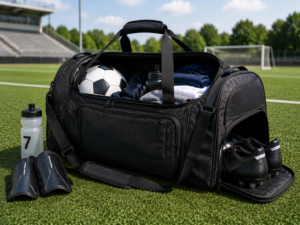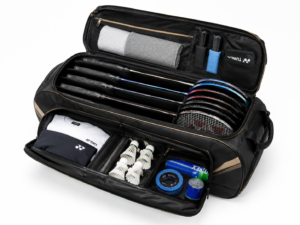
Choosing the right material is one of the most important factors when selecting a durable fitness bag. A high-quality sports bag needs to withstand daily workouts, heavy equipment, frequent carrying, and different environments while maintaining its strength and appearance.
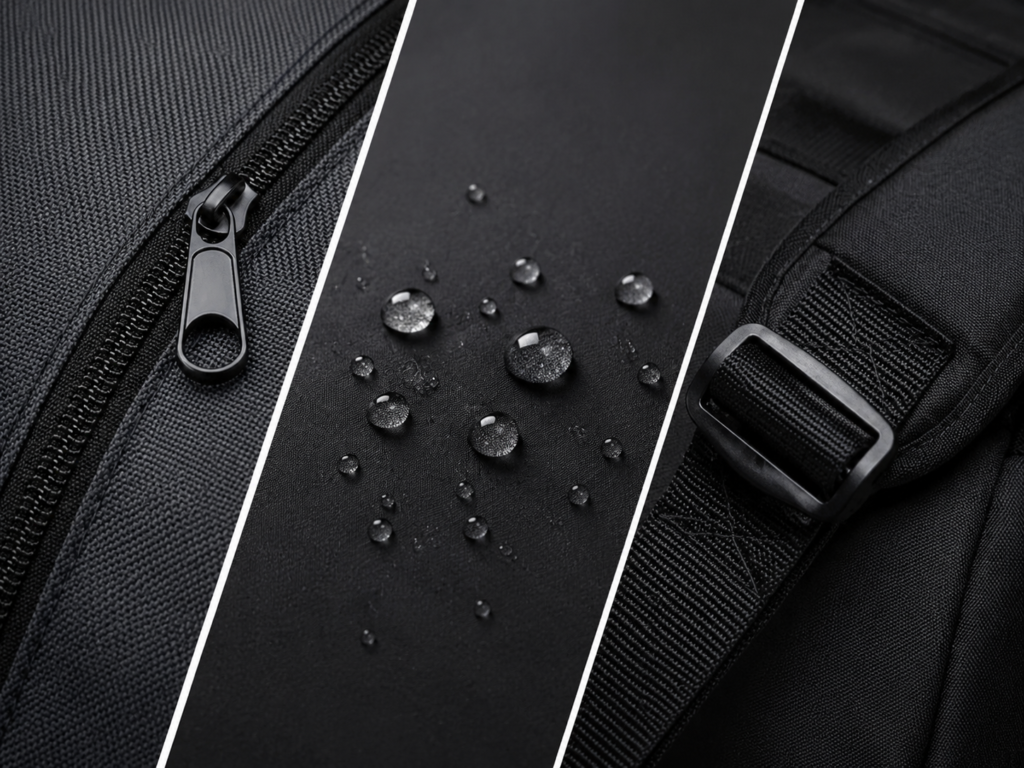
Different materials offer different advantages. Nylon provides excellent abrasion resistance, polyester delivers reliable durability and cost efficiency, leather offers a premium look and feel, while canvas and recycled fabrics provide unique styles and sustainable options. The best choice depends on the intended use, performance requirements, and target market.
In this guide, we will explore the most common fitness bag materials, compare their durability, features, and applications, and explain how brands and buyers can select the right fabric for creating functional and long-lasting sports bags.
Key Takeaways: Choosing the Right Fitness Bag Material
- Nylon offers excellent strength and lightweight performance. It is highly resistant to abrasion, tearing, and frequent daily use, making it ideal for active users.
- Water-resistant materials improve protection. Coatings, laminated fabrics, and waterproof treatments help keep personal items safe from rain, sweat, and moisture.
- Easy maintenance is important for everyday bags. Polyester and nylon are simple to clean and maintain, making them practical choices for regular training.
- Recycled fabrics provide a sustainable option. Eco-friendly nylon and polyester deliver durability while helping reduce environmental impact.
- The best material depends on usage. Consider your activity type, carrying needs, environment, and expected lifespan before selecting a fitness bag material.
Best Materials for Durable Fitness Bags
The material of a fitness bag directly affects its durability, weight, appearance, and overall performance. Different fabrics are designed for different applications, from everyday gym use to professional sports and outdoor activities.
Nylon (Including Ballistic Nylon)
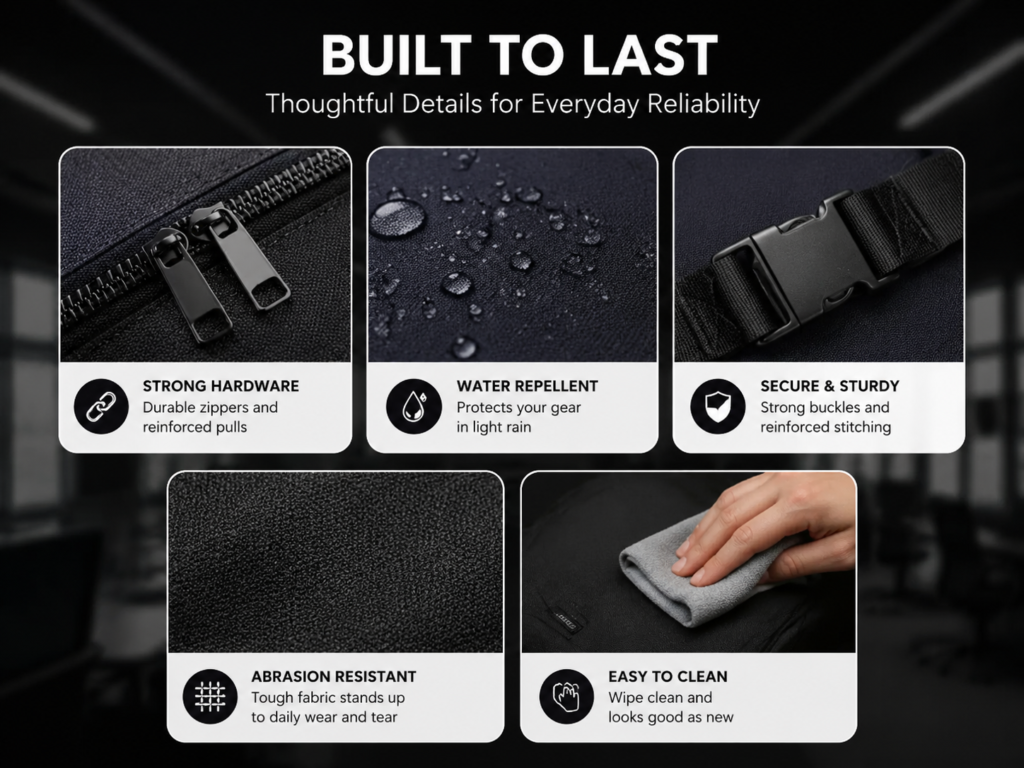
Nylon is one of the most popular materials used in premium fitness bags because it combines strength, flexibility, and lightweight performance. It offers excellent resistance to abrasion and tearing, making it suitable for users who carry heavy equipment or use their bags frequently.
Ballistic nylon is an upgraded version designed for even greater durability. Originally developed for protective applications, it features a thicker weave structure that provides enhanced resistance against scratches, impact, and heavy wear.
Key advantages of nylon include:
- High tear resistance
- Lightweight construction
- Excellent abrasion performance
- Good moisture resistance
- Easy cleaning and maintenance
For gym bags used every day, travel sports bags, and heavy-duty applications, nylon is a reliable material choice.
Tip: Ballistic nylon is especially suitable for premium fitness bags that require maximum durability and long service life.
Polyester
Polyester is another widely used fabric for fitness bags due to its balance of durability, affordability, and easy maintenance. It provides good resistance against wrinkles, moisture, and everyday wear.
High-density polyester, such as 600D or 1000D polyester, is commonly used in sports bags because the tighter fabric structure improves strength and water resistance.
Advantages of polyester include:
- Good durability for daily use
- Better shape retention
- Water-resistant performance
- Easy cleaning
- Cost-effective production
Many polyester fitness bags are treated with protective coatings to improve moisture resistance. Some advanced designs use waterproof layers or sealed construction to provide additional protection in wet environments.
Although polyester is slightly less abrasion-resistant than nylon, it remains an excellent choice for sports bags, gym backpacks, and commercial fitness products.
Leather
Leather is known for its premium appearance, durability, and timeless style. High-quality genuine leather fitness bags can maintain their appearance for many years when properly cared for.
| Material | Durability |
|---|---|
| Genuine Leather | Extremely durable with proper maintenance |
| Synthetic Leather | Good appearance but generally shorter lifespan |
Leather offers:
- Premium visual appeal
- Strong structure
- Natural aging characteristics
- Long-lasting performance
However, leather requires more maintenance than synthetic fabrics. Regular cleaning and conditioning help prevent drying, cracking, and surface damage.
Leather fitness bags are often chosen for lifestyle-focused products where appearance and premium branding are important.
Note: Leather provides excellent durability but requires more care compared with nylon or polyester materials.
Canvas
Canvas is a traditional material known for its rugged appearance and strong woven structure. It is popular among users who prefer a classic, casual style.
Compared with synthetic fabrics, canvas offers:
- Strong natural texture
- Excellent resistance to everyday wear
- Attractive lifestyle appearance
- Environmentally friendly material options
However, canvas is heavier than nylon and polyester. Standard canvas also absorbs moisture easily unless it has a protective coating.
| Material | Weight Characteristics |
|---|---|
| 600D Polyester | Lightweight and practical |
| Heavy Canvas | Strong but heavier |
Canvas fitness bags are suitable for casual gym use, lifestyle collections, and products where appearance is as important as performance.
Eco-Friendly Fabrics
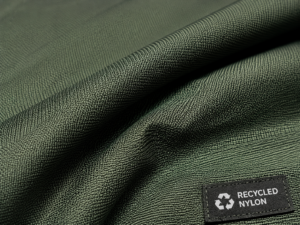
Sustainable materials are becoming increasingly popular in the fitness bag market. Many brands now use recycled polyester (rPET) and recycled nylon to create products with lower environmental impact while maintaining strong performance.
Benefits of recycled fabrics include:
- Reduced material waste
- Lower environmental impact
- Good durability
- Water-resistant performance
- Modern sustainable branding appeal
Recycled synthetic fabrics can provide similar strength and functionality to traditional polyester and nylon. They are suitable for brands looking to develop environmentally responsible sports bags without sacrificing quality.
| Fabric Type | Sustainability | Performance |
|---|---|---|
| Recycled Polyester | High | Durable and moisture resistant |
| Recycled Nylon | High | Strong and abrasion resistant |
| Untreated Cotton | Medium | Absorbs moisture easily |
For sustainable fitness bag collections, recycled nylon and recycled polyester are among the most practical choices.
How to Choose the Best Fitness Bag Material
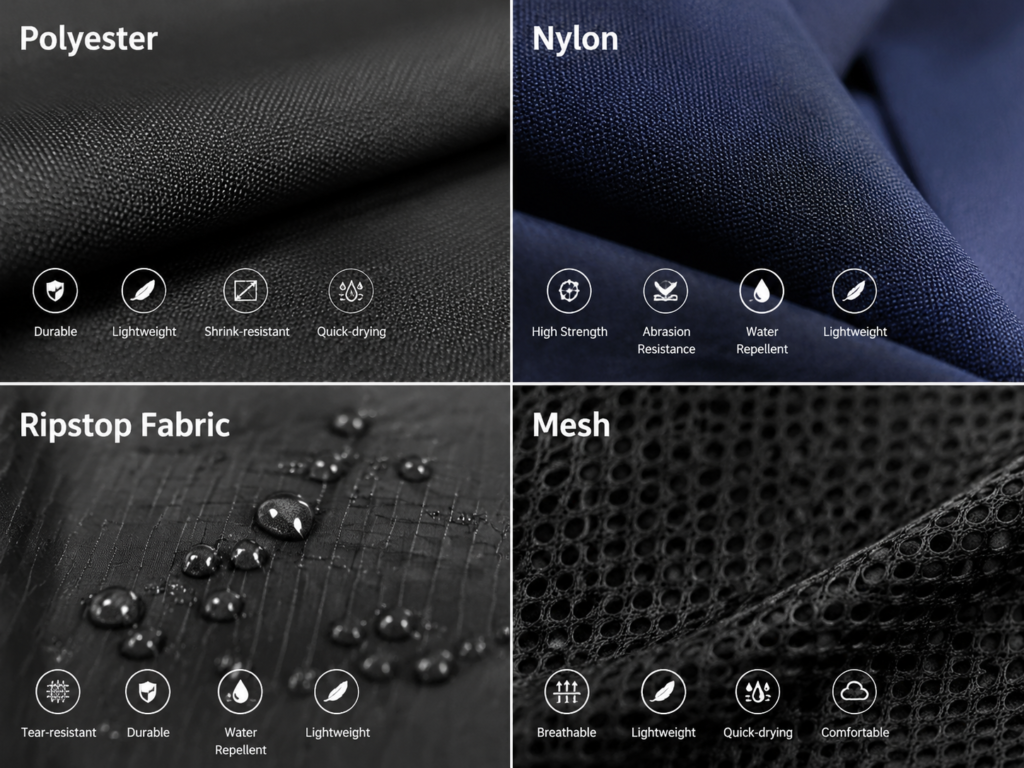
The ideal fitness bag material depends on the product purpose and user requirements.
Choose nylon if you need maximum durability and lightweight performance.
Choose polyester if you want a balance of cost, strength, and easy maintenance.
Choose leather for premium appearance and luxury positioning.
Choose canvas for classic style and lifestyle products.
Choose recycled fabrics for sustainable product development.
By selecting the right material, brands and buyers can create fitness bags that deliver better durability, improved user experience, and long-term value.Key Takeaways: Choosing the Right Fitness Bag Material
- Nylon offers excellent strength and lightweight performance. It is highly resistant to abrasion, tearing, and frequent daily use, making it ideal for active users.
- Water-resistant materials improve protection. Coatings, laminated fabrics, and waterproof treatments help keep personal items safe from rain, sweat, and moisture.
- Easy maintenance is important for everyday bags. Polyester and nylon are simple to clean and maintain, making them practical choices for regular training.
- Recycled fabrics provide a sustainable option. Eco-friendly nylon and polyester deliver durability while helping reduce environmental impact.
- The best material depends on usage. Consider your activity type, carrying needs, environment, and expected lifespan before selecting a fitness bag material.
Best Materials for Durable Fitness Bags
The material of a fitness bag directly affects its durability, weight, appearance, and overall performance. Different fabrics are designed for different applications, from everyday gym use to professional sports and outdoor activities.
Nylon (Including Ballistic Nylon)
Nylon is one of the most popular materials used in premium fitness bags because it combines strength, flexibility, and lightweight performance. It offers excellent resistance to abrasion and tearing, making it suitable for users who carry heavy equipment or use their bags frequently.
Ballistic nylon is an upgraded version designed for even greater durability. Originally developed for protective applications, it features a thicker weave structure that provides enhanced resistance against scratches, impact, and heavy wear.
Key advantages of nylon include:
- High tear resistance
- Lightweight construction
- Excellent abrasion performance
- Good moisture resistance
- Easy cleaning and maintenance
For gym bags used every day, travel sports bags, and heavy-duty applications, nylon is a reliable material choice.
Tip: Ballistic nylon is especially suitable for premium fitness bags that require maximum durability and long service life.
Polyester
Polyester is another widely used fabric for fitness bags due to its balance of durability, affordability, and easy maintenance. It provides good resistance against wrinkles, moisture, and everyday wear.
High-density polyester, such as 600D or 1000D polyester, is commonly used in sports bags because the tighter fabric structure improves strength and water resistance.
Advantages of polyester include:
- Good durability for daily use
- Better shape retention
- Water-resistant performance
- Easy cleaning
- Cost-effective production
Many polyester fitness bags are treated with protective coatings to improve moisture resistance. Some advanced designs use waterproof layers or sealed construction to provide additional protection in wet environments.
Although polyester is slightly less abrasion-resistant than nylon, it remains an excellent choice for sports bags, gym backpacks, and commercial fitness products.
Leather
Leather is known for its premium appearance, durability, and timeless style. High-quality genuine leather fitness bags can maintain their appearance for many years when properly cared for.
| Material | Durability |
|---|---|
| Genuine Leather | Extremely durable with proper maintenance |
| Synthetic Leather | Good appearance but generally shorter lifespan |
Leather offers:
- Premium visual appeal
- Strong structure
- Natural aging characteristics
- Long-lasting performance
However, leather requires more maintenance than synthetic fabrics. Regular cleaning and conditioning help prevent drying, cracking, and surface damage.
Leather fitness bags are often chosen for lifestyle-focused products where appearance and premium branding are important.
Note: Leather provides excellent durability but requires more care compared with nylon or polyester materials.
Canvas
Canvas is a traditional material known for its rugged appearance and strong woven structure. It is popular among users who prefer a classic, casual style.
Compared with synthetic fabrics, canvas offers:
- Strong natural texture
- Excellent resistance to everyday wear
- Attractive lifestyle appearance
- Environmentally friendly material options
However, canvas is heavier than nylon and polyester. Standard canvas also absorbs moisture easily unless it has a protective coating.
| Material | Weight Characteristics |
|---|---|
| 600D Polyester | Lightweight and practical |
| Heavy Canvas | Strong but heavier |
Canvas fitness bags are suitable for casual gym use, lifestyle collections, and products where appearance is as important as performance.
Eco-Friendly Fabrics
Sustainable materials are becoming increasingly popular in the fitness bag market. Many brands now use recycled polyester (rPET) and recycled nylon to create products with lower environmental impact while maintaining strong performance.
Benefits of recycled fabrics include:
- Reduced material waste
- Lower environmental impact
- Good durability
- Water-resistant performance
- Modern sustainable branding appeal
Recycled synthetic fabrics can provide similar strength and functionality to traditional polyester and nylon. They are suitable for brands looking to develop environmentally responsible sports bags without sacrificing quality.
| Fabric Type | Sustainability | Performance |
|---|---|---|
| Recycled Polyester | High | Durable and moisture resistant |
| Recycled Nylon | High | Strong and abrasion resistant |
| Untreated Cotton | Medium | Absorbs moisture easily |
For sustainable fitness bag collections, recycled nylon and recycled polyester are among the most practical choices.
Key Factors That Determine Fitness Bag Durability
A durable fitness bag is defined by more than just its appearance. The fabric strength, protective features, maintenance requirements, and overall construction all influence how well a bag performs over time. Whether used for daily workouts, sports training, travel, or outdoor activities, a quality fitness bag should handle frequent use while maintaining its shape and functionality.
Tear and Abrasion Resistance
One of the most important durability factors is resistance to tearing and surface wear. A fitness bag is constantly exposed to friction from floors, lockers, vehicles, and everyday handling. Materials with strong abrasion resistance help prevent scratches, holes, and premature damage.
Manufacturers often evaluate fabric durability through professional testing methods, including:
| Test Method | Purpose |
|---|---|
| Martindale Abrasion Test | Measures resistance against repeated rubbing and surface wear |
| Accelerotor Test | Evaluates fabric durability under accelerated abrasion conditions |
| Elmendorf Tear Test | Measures fabric resistance to tearing forces |
| Wyzenbeek Test | Tests abrasion performance through repeated contact |
High-density nylon, especially 1000D nylon, is widely recognized for excellent durability. Its tight weave structure provides strong resistance against tearing and heavy friction, making it suitable for premium gym bags, sports duffels, and travel-focused designs.
Tip: For heavy-duty applications, choose materials with higher denier ratings and reinforced stitching for improved lifespan.
Water Resistance and Moisture Protection
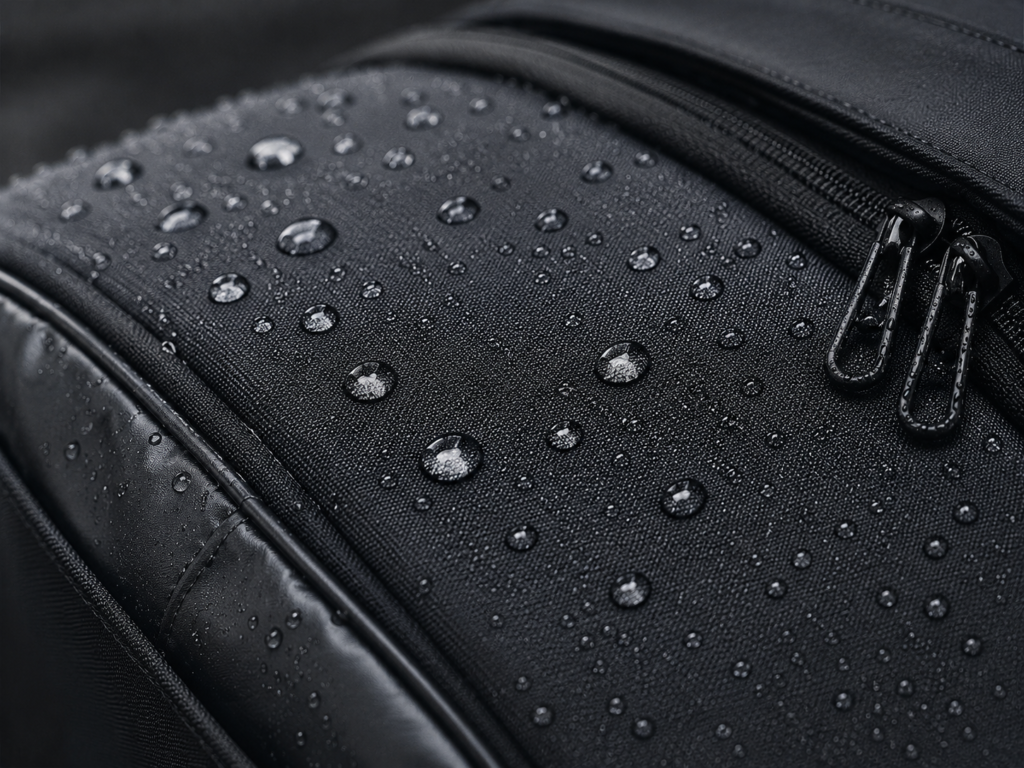
A fitness bag often encounters sweat, rain, wet floors, and accidental spills. Water-resistant materials help protect clothing, electronics, and personal belongings from moisture damage.
Common water-resistant solutions include:
- Water-repellent fabric coatings
- TPU or PU laminated layers
- Waterproof inner linings
- Sealed seams
- Water-resistant zippers
Nylon and polyester naturally provide good moisture resistance, while additional coatings can further improve protection. Leather offers some natural water resistance but requires regular maintenance. Canvas usually needs a protective treatment to perform well in wet environments.
For users who train outdoors or travel frequently, a water-resistant outer shell can significantly improve product reliability.
Easy Cleaning and Maintenance
Since gym bags often carry sweaty clothing, shoes, and sports equipment, easy maintenance is an important consideration.
Different materials require different care methods:
| Material | Cleaning Method |
|---|---|
| Nylon | Wipe clean or gentle washing depending on construction |
| Polyester | Easy spot cleaning and low-maintenance care |
| Canvas | Hand washing or gentle cleaning recommended |
| Leather | Requires conditioning and careful surface cleaning |
| Waterproof Fabrics | Usually cleaned with a damp cloth |
Regular cleaning helps prevent odor buildup, stains, and fabric deterioration. Choosing a material that matches your cleaning habits can make the bag easier to maintain over time.
Weight and Flexibility
A good fitness bag should balance durability with carrying comfort. Heavy materials may provide strength but can reduce portability, while lightweight fabrics improve mobility.
Nylon and polyester are popular because they offer:
- Lightweight construction
- Flexible structure
- Easy storage
- Comfortable carrying
Leather provides a premium appearance and excellent structure but is generally heavier. Canvas offers strong durability and a classic look but may feel bulkier when carrying larger loads.
A flexible fitness bag adapts better to different situations, allowing users to pack workout clothing, shoes, accessories, and personal items more efficiently.
Fitness Bag Material Comparison
Durability vs. Cost
Material selection often involves balancing performance and budget. Premium materials usually provide better durability and longer service life, while lower-cost fabrics may be suitable for occasional use.
| Material | Durability Level | Cost Level |
|---|---|---|
| Nylon | High | Medium to High |
| Polyester | Medium to High | Low to Medium |
| Leather | Very High | High |
| Canvas | Medium to High | Medium |
| Recycled Fabrics | High | Medium |
For professional athletes, sports brands, and frequent gym users, investing in stronger materials can reduce replacement costs over time.
Care and Long-Term Performance
Proper maintenance can significantly extend the lifespan of a fitness bag.
Recommended care practices include:
- Remove dirt and stains regularly
- Dry the bag after exposure to moisture
- Avoid storing wet clothing inside for long periods
- Keep leather products conditioned
- Store the bag in a dry environment
- Avoid overloading beyond its designed capacity
Rotating between multiple bags can also reduce daily wear and help each product maintain its condition for longer.
Best Material Choices for Different Applications
Different materials perform better in different environments and applications.
| Material | Main Features | Recommended Applications |
|---|---|---|
| Nylon | Lightweight, strong, abrasion-resistant, moisture-resistant | Daily gym use, sports training, travel |
| Polyester | Durable, affordable, UV-resistant | Outdoor activities, team sports, general fitness |
| Canvas | Strong texture, classic appearance | Lifestyle bags, casual fitness use |
| Leather | Premium appearance, long-lasting | Luxury fitness and lifestyle products |
| Recycled Fabrics | Sustainable, durable, eco-friendly | Sustainable sports bag collections |
Selecting the right material depends on how the bag will be used, the expected environment, and the target customer.
Fitness Bag Material Selection Checklist
Before choosing a fitness bag material, consider these important factors:
1. Evaluate Material Strength
- Check fabric type such as nylon, polyester, canvas, leather, or recycled materials.
- Consider fabric thickness and denier ratings.
- Look for reinforced stitching in high-stress areas.
2. Check Water Protection
- Confirm whether the fabric has a water-resistant coating.
- Look for sealed seams or waterproof lining options.
- Consider protection needs based on climate and usage.
3. Review Maintenance Requirements
- Determine whether the bag requires hand cleaning or machine washing.
- Choose a material that fits your maintenance preferences.
4. Consider Weight and Flexibility
- Lightweight materials improve portability.
- Flexible fabrics provide better packing efficiency.
5. Inspect Hardware and Construction
- Check zipper quality, handles, buckles, and stitching.
- Durable hardware improves product lifespan.
6. Consider Sustainable Materials
- Look for recycled polyester, recycled nylon, or eco-friendly certifications.
- Sustainable materials can support modern brand positioning.
7. Match the Material to the Application
Think about:
- How frequently the bag will be used
- What equipment it needs to carry
- Whether it will be used indoors, outdoors, or for travel
Tip: Comparing different materials before production or purchase helps ensure the final fitness bag meets durability, performance, and user expectations.
Conclusion: Selecting the Right Material for a Durable Fitness Bag
The material choice plays a key role in determining the durability, performance, and overall user experience of a fitness bag. From strong nylon and practical polyester to premium leather, classic canvas, and sustainable recycled fabrics, each material offers unique advantages for different applications.
A reliable fitness bag should not only withstand daily wear but also provide comfort, protection, and easy maintenance. Factors such as abrasion resistance, water protection, cleaning requirements, weight, and intended use should all be considered before selecting the right material.
For brands, retailers, and sports equipment companies, choosing the correct fabric is essential for creating high-quality fitness bags that meet customer expectations. The best material solution combines durability, functionality, design appeal, and long-term value.
By understanding the strengths of each fabric type, businesses can develop fitness bags that perform well in real-world conditions and deliver a better experience for athletes, gym users, and active lifestyles.