In today’s competitive sports gear market, a tennis bag is no longer just an accessory. It directly reflects brand positioning, product quality, and user experience. Buyers evaluate not only appearance, but also durability, structure, and practical usability in real scenarios.
The ideal tennis bag combines reliable structure, accurate capacity, durable materials, and user-centered design. Most negative feedback—such as zipper failure, poor layout, and weak construction—comes from gaps in engineering and production, not just pricing decisions.
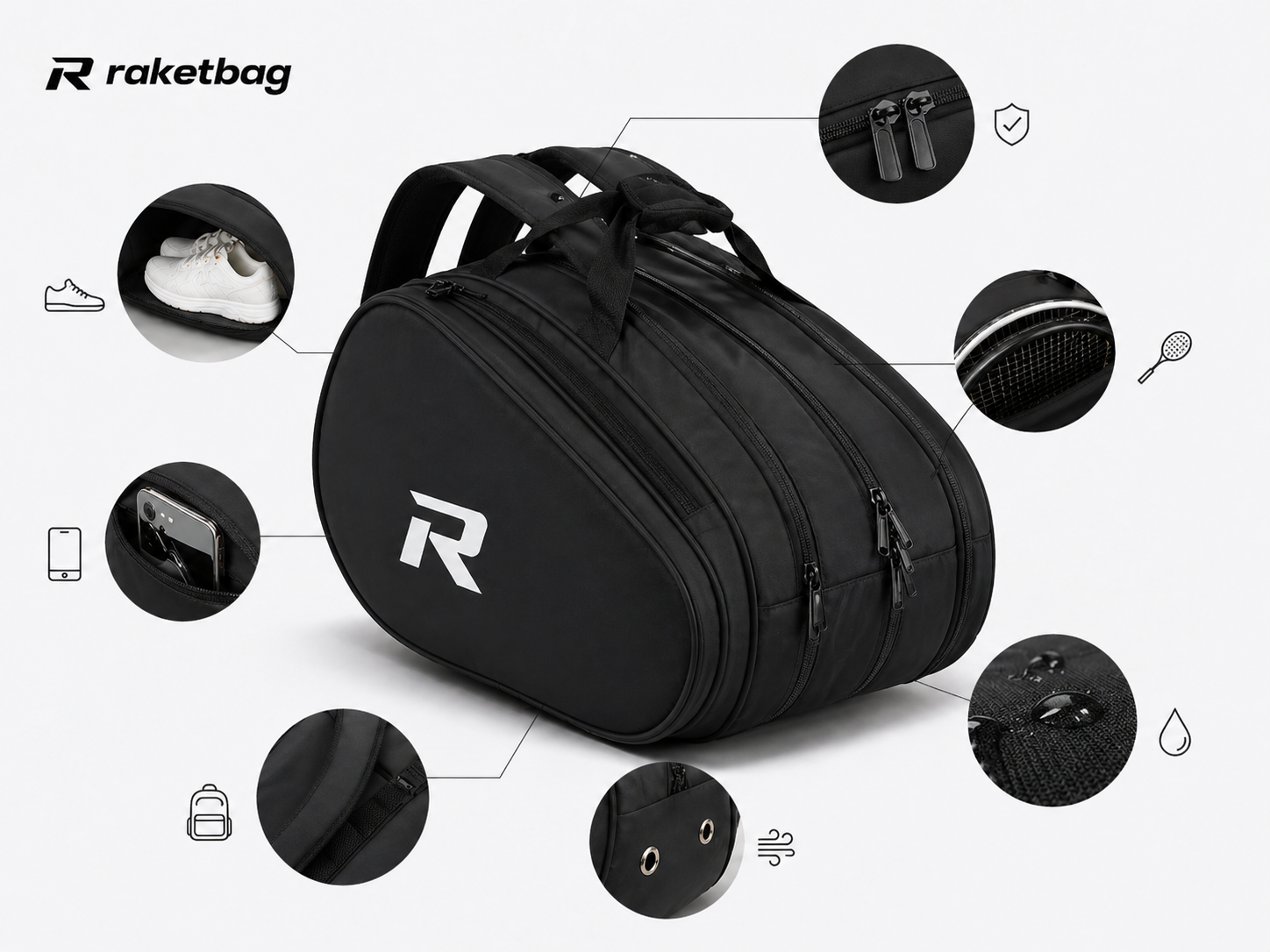
Understanding real-world complaints allows brands to move beyond surface-level design and build products that perform consistently in the market.
Why Do Tennis Bag Zippers Fail So Easily?
Zipper failure is one of the fastest ways to damage product credibility.
Most zipper issues are caused by weak components and poor reinforcement at stress points. Upgrading zipper systems and improving stitching structure significantly increases product lifespan.
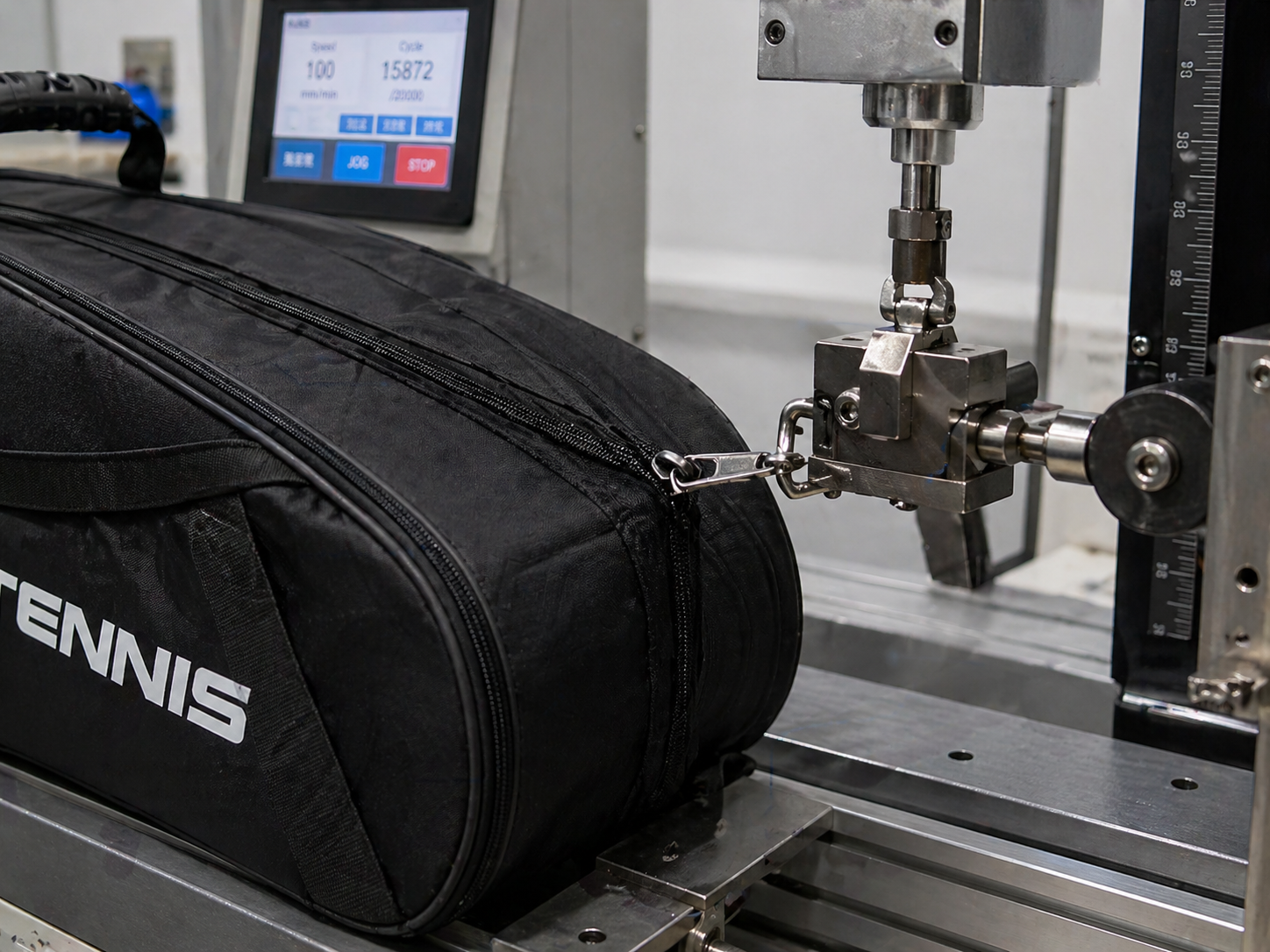
In real usage, tennis bags are exposed to repeated stress from heavy and uneven loads. Rackets create concentrated pressure, while frequent opening and closing accelerates wear. Standard zipper solutions used in low-cost production are not designed for this level of stress.
A more reliable approach involves integrating industrial-grade zipper systems with reinforced construction. This includes selecting proven zipper brands or equivalent quality levels, combined with higher stitching density at load-bearing zones. Reinforcement at both ends of the zipper track is particularly critical, as this is where most failures occur.
Another key factor is structural load distribution. When the bag design forces all pressure onto a single zipper line, failure becomes inevitable. A well-engineered layout redistributes stress through panel design and support layers.
A simplified comparison highlights the difference:
| Aspect | Low-End Approach | Optimized Solution |
|---|---|---|
| Zipper quality | Generic | Branded or equivalent |
| Stitching | Single line | Reinforced double stitching |
| Stress handling | Concentrated | Distributed load design |
Professional development with an experienced racket bag manufacturer ensures these details are addressed during the design phase, not after issues appear in the market.
Why Do Tennis Bags Feel Smaller Than Expected?
Capacity perception plays a critical role in customer satisfaction.
The issue is rarely about actual size. It is usually caused by inefficient internal layout and unrealistic product presentation.
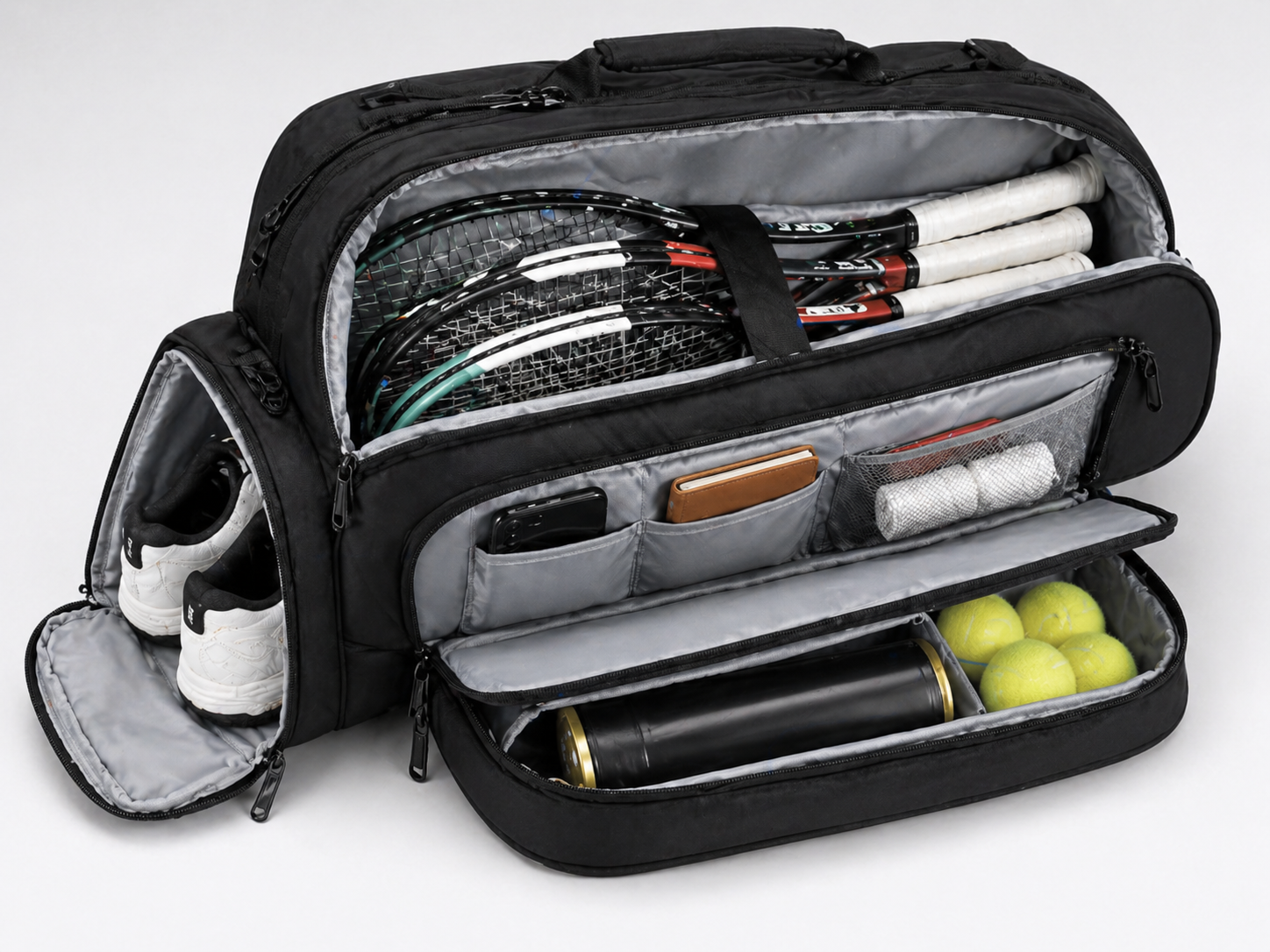
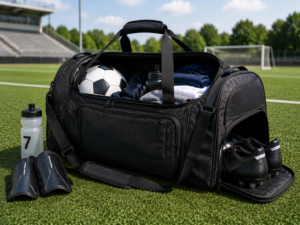
Many users report that bags cannot hold the advertised number of rackets or leave no space for shoes after loading. This mismatch comes from design decisions rather than incorrect measurements.
Internal padding is a common factor. While protection is important, excessive thickness reduces usable space. Fixed compartments can also limit flexibility, preventing users from adjusting storage based on their needs.
A more advanced approach focuses on functional capacity rather than theoretical volume. This means testing how the bag performs when fully loaded with real equipment. It also requires balancing protection and space efficiency.
Key design considerations include:
- Optimizing racket compartment depth without over-padding
- Creating independent shoe storage to avoid conflict with main space
- Ensuring accessory pockets do not reduce core storage capacity
Clear communication is equally important. Real-use images and loading demonstrations help align expectations with actual performance.
Brands that work with a reliable tennis bag supplier can integrate these validation steps early, reducing the risk of negative reviews related to misleading capacity.
How Does Compartment Design Affect Product Value?
Compartment design is often the difference between a functional product and a frustrating one.
Poor compartment layout leads to disorganization and inefficient use of space. Structured zoning based on real user behavior improves both usability and perceived quality.
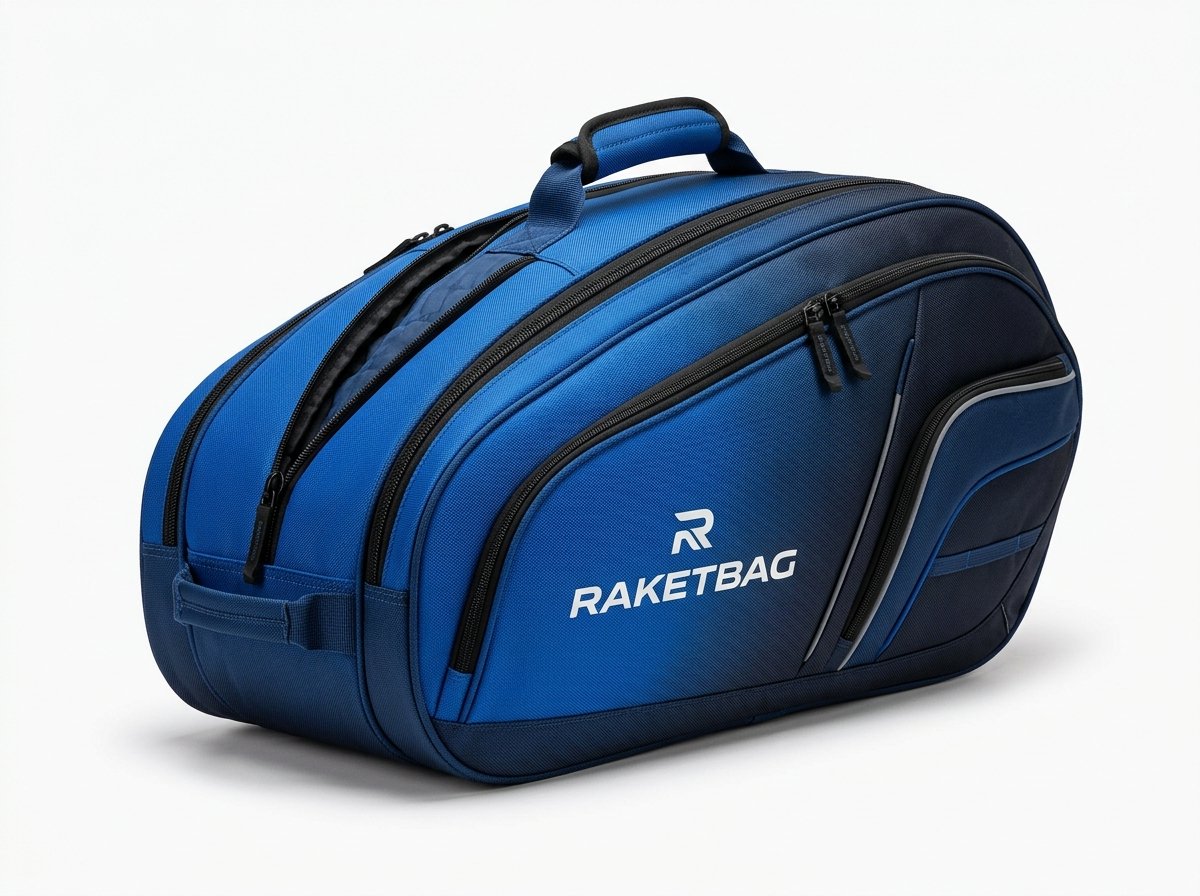
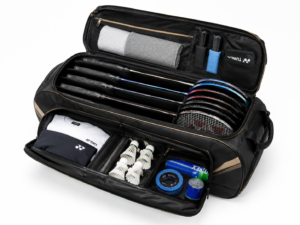
Tennis players carry a mix of equipment, clothing, and personal items. Without proper separation, these items interfere with each other, reducing convenience and hygiene.
A well-designed bag introduces clear functional zones while maintaining flexibility. The goal is not to add more compartments, but to ensure each one serves a specific purpose without wasting space.
Typical design evolution can be summarized as follows:
| Design Stage | Issue | Improvement |
|---|---|---|
| Basic layout | Items mixed together | Add functional zones |
| Semi-structured | Compartments overlap | Separate key areas |
| Optimized design | Balanced usage | Independent + efficient structure |
One critical improvement is the independent shoe compartment. In many low-quality designs, this section collapses into the main storage area under pressure. Reinforcing this zone with base support or structural panels prevents this issue and improves long-term usability.
Effective compartment design transforms the bag from simple storage into a well-organized system, which directly enhances user satisfaction and brand perception.
Why Is Structural Stability Critical in Tennis Bag Design?
Structural integrity defines both performance and perceived quality.
A tennis bag must maintain its shape under different load conditions. Weak structure leads to collapse, reduced usability, and negative product perception.
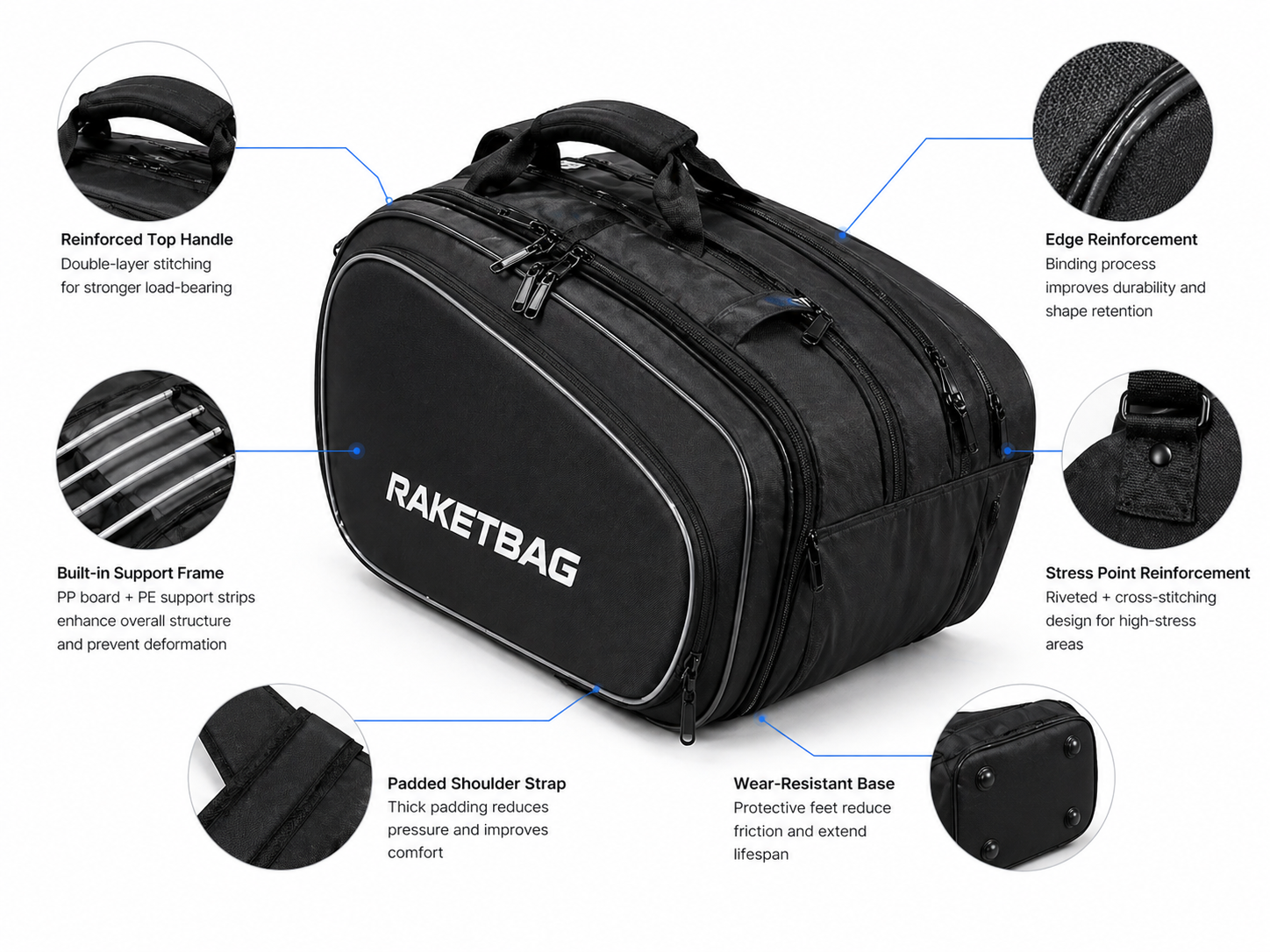
Unlike fashion bags, tennis bags operate under variable loads. They may be partially filled, fully packed, or unevenly loaded. Without internal support, the bag loses its shape and becomes difficult to use.
The solution lies in integrating structural elements into the design. These include internal support boards, reinforced base panels, and strategically placed padding layers. Together, these components create a stable framework that maintains shape without adding excessive weight.
Material selection must also support structural goals. Fabrics need to provide enough rigidity to hold form while remaining flexible for portability. Achieving this balance requires careful sourcing and testing.
From a manufacturing perspective, structural validation is essential. Load testing and repeated usage simulations help identify weak points before mass production. This ensures consistency across batches and reduces long-term failure rates.
How Do Ergonomics Influence Market Acceptance?
Carrying comfort is a key factor in real-world usage, yet it is often underestimated during development.
Uncomfortable carrying systems reduce product usability and increase return rates. Ergonomic design improves both functionality and user satisfaction.
Tennis bags are frequently used in transit environments. Users may walk long distances or carry the bag in crowded public spaces. In these situations, poor ergonomics become immediately noticeable.
Common issues include narrow straps, insufficient padding, and uneven weight distribution. These factors create pressure points and make the bag feel heavier than it actually is.
Improvement focuses on three areas:
- Strap construction using multi-layer padding and breathable materials
- Balanced weight distribution to keep the load close to the body
- Adjustable systems that accommodate different user preferences
Another important strategy is product segmentation. Not all users require maximum capacity. Offering different sizes allows brands to match products with specific use cases, improving overall satisfaction.
Ergonomic performance directly impacts whether a product is used regularly or abandoned after purchase.
How Do Materials Impact Durability and Brand Perception?
Material selection influences both product lifespan and how users perceive quality.
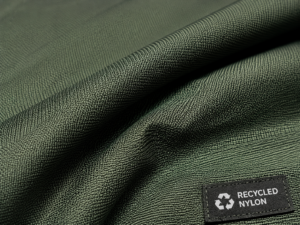
Low-grade materials lead to fast wear, odor issues, and poor reviews. High-performance fabrics and coatings enhance durability and reinforce brand positioning.
Customers often associate material feel with value. If the fabric appears thin or the construction feels weak, the product is immediately judged as low quality.
Durability issues typically stem from:
- Low fabric density
- Weak stitching quality
- Inadequate coating or finishing
- Poor odor control
An optimized approach focuses on upgrading core materials while maintaining cost balance. Higher-density fabrics improve abrasion resistance, while protective coatings enhance water resistance. Reinforced stitching ensures long-term structural integrity.
A brief comparison illustrates the impact:
| Factor | Basic Material | Upgraded Material |
|---|---|---|
| Fabric strength | Low | High abrasion resistance |
| Water protection | Minimal | PU-coated surface |
| User perception | Cheap | Premium feel |
Consistent quality control during production is essential to ensure these improvements are maintained across all units.
Conclusion
A successful tennis bag is defined by engineering, not just design. Brands that prioritize structure, durability, and real usability can reduce complaints, strengthen market positioning, and achieve long-term product success.