Private label racket bag development helps brands launch products faster while keeping stronger control over positioning, design direction, and long-term market growth. Instead of starting from a fully blank product every time, brands can build from proven bag structures, then add brand identity through materials, colors, logos, features, packaging, and product line planning.
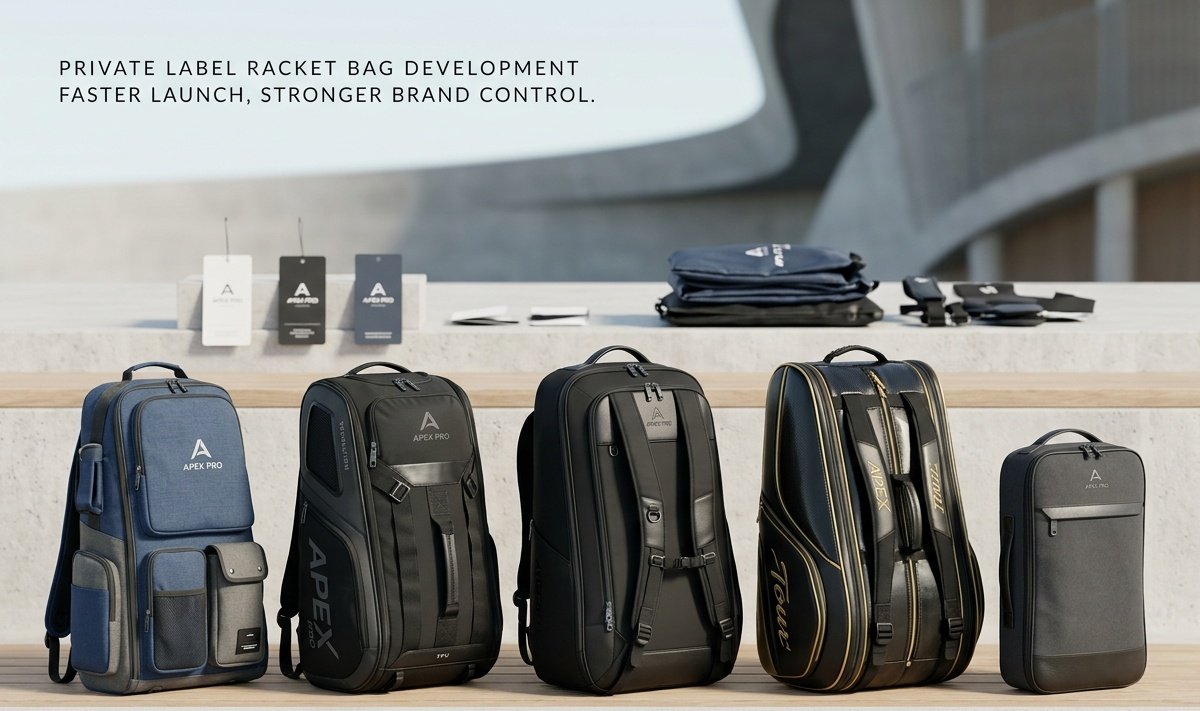
For sports brands, importers, and sourcing teams, private label development is often a practical way to grow a product range without taking unnecessary development risk. In racket bags, success depends on more than adding a logo. The right factory should understand sports use, racket storage, shoe compartments, carry comfort, material durability, and retail presentation. A supplier that can connect those details with stable production will usually create better results than one that only offers standard bag making.
Private label projects also need a different mindset from simple order fulfillment. The goal is not only to manufacture a bag. The goal is to shape a product line that fits a brand’s market, price level, and target customer. That is why many buyers begin with a specialized racket bag manufacturer when planning long-term private label development.
What Does Private Label Racket Bag Development Mean for Sports Brands?
Private label racket bag development means building branded products on top of existing manufacturing capability, proven structures, and factory-supported customization options. This approach allows brands to move faster while still creating a clear market identity.
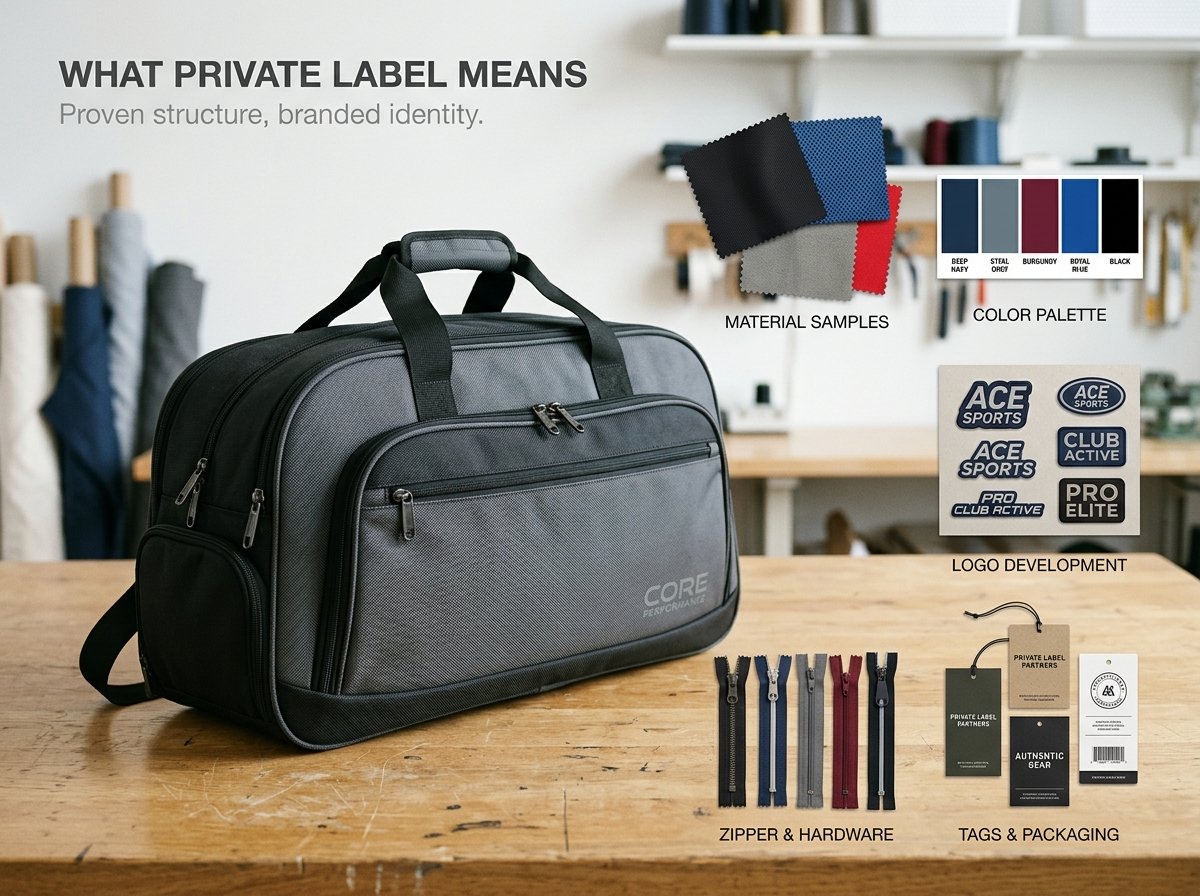
In practice, private label development usually begins with a factory’s base experience in racket bags and sports bags. The brand then adjusts the product around its own market goals. That may include changing materials, modifying compartments, adding brand colors, upgrading straps, refining logo treatments, or improving the packaging for retail and e-commerce channels.
This model works well because many performance details in racket bags are already known. A well-built base structure can save time and reduce trial-and-error during development. At the same time, the bag can still look and feel unique once the brand elements are added correctly.
What private label development usually includes
| Development Area | Typical Private Label Focus | Brand Benefit |
|---|---|---|
| Base bag structure | Starts from proven factory design | Faster launch with lower risk |
| Branding details | Logo, colors, patches, lining, trims | Stronger visual identity |
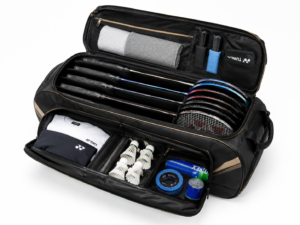
| Functional updates | Shoe pocket, racket capacity, wet section | Better market fit |
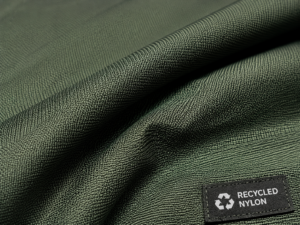
| Material selection | Fabric, foam, zipper, strap upgrades | Improved positioning |
| Packaging setup | Hangtags, labels, polybags, cartons | Better presentation and logistics |
This is why factory experience matters so much. A supplier that already understands racket bag function can help shape a private label program more efficiently than a factory learning the category from scratch.
Private Label vs OEM Helmets: Which Model Fits Your Brand Strategy?
The same strategic comparison used in helmet sourcing also applies to racket bags. Private label and OEM serve different brand goals, and the right choice depends on how much control, speed, and product uniqueness a brand needs.
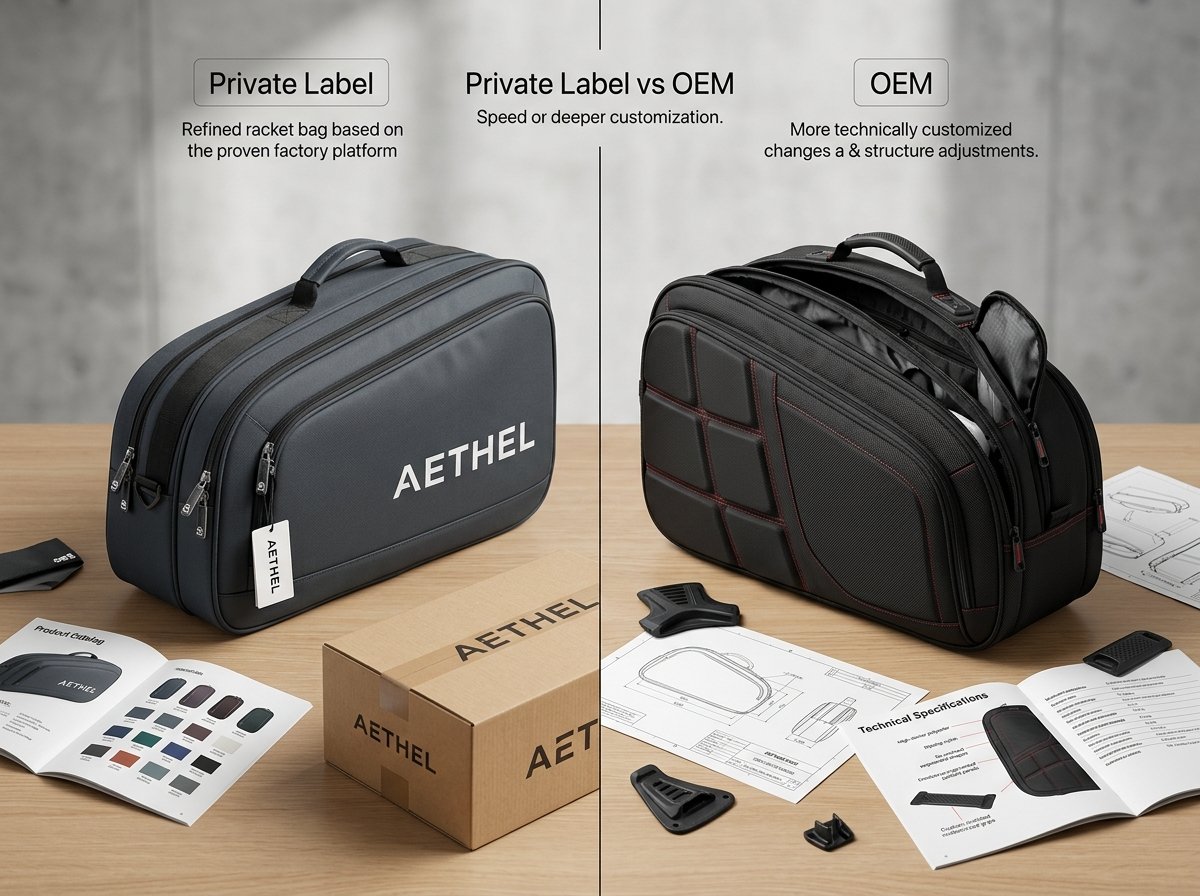
Private label is usually the better fit when a brand wants to launch quickly, reduce development cost, and build from product structures that already work. OEM is more suitable when the brand wants a product developed from a much more original starting point, often with deeper structural changes and longer development time.
For racket bags, the difference is practical. A private label program can move forward using an existing shape or platform, then refine the bag around the brand’s look and target market. An OEM project may require a more custom approach, including new pattern development, more rounds of sampling, and additional testing of materials and structure.
Private label and OEM compared
| Model | Main Feature | Best For |
|---|---|---|
| Private label | Uses proven factory base with brand customization | Faster launch and lower risk |
| OEM | Builds a more custom product from a new concept | Greater structural uniqueness |
| Private label | Usually easier to manage across several SKUs | Growing brands with limited development time |
| OEM | Often requires more revisions and technical review | Brands seeking stronger design differentiation |
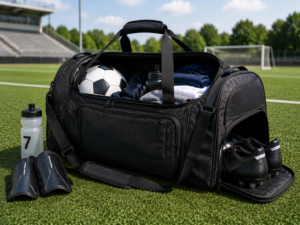
For many sports brands, private label offers a good balance between speed and brand identity. It supports product expansion without forcing every launch to begin from zero. This is especially useful when the goal is to create a wider sports bag line with matching backpacks, duffel bags, shoe bags, and accessory bags.
What Customization Options Matter Most in Private Label Racket Bag Production?
The most important customization options in private label racket bag production are materials, color schemes, logo application, pocket layout, carrying systems, lining details, and accessories. These choices shape both product value and brand recognition.
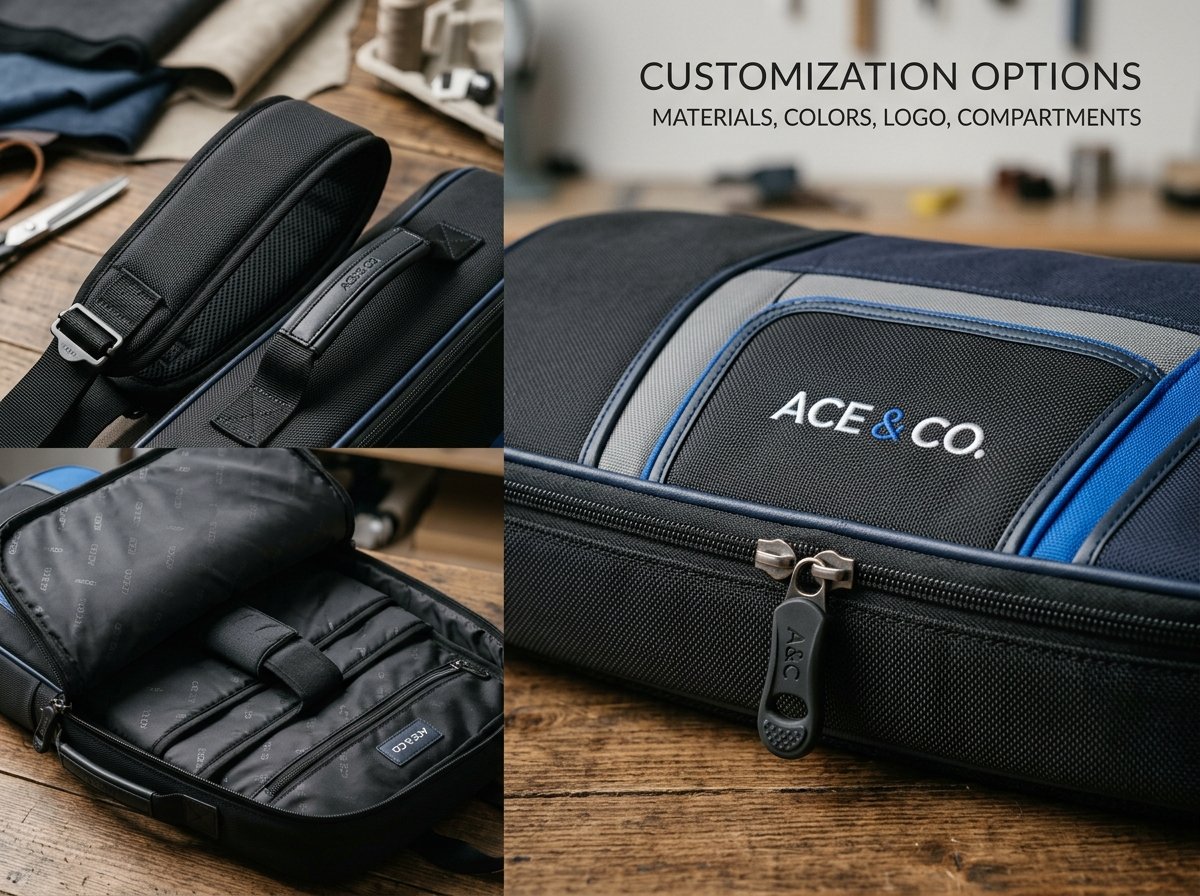
Customization is where a standard product starts to become a branded product. Even when the factory begins with a proven bag structure, there are many ways to create a different market result. The outside fabric can shift the product from entry-level to premium. The strap and padding setup can improve comfort. The logo method can change how the bag looks at retail. Internal compartment changes can also make the product more useful for a specific sports audience.
Strong suppliers usually guide this process instead of simply waiting for instructions. They may suggest a stronger foam structure for a premium tennis line, a cleaner rubber patch for a modern retail look, or a more useful side pocket for court accessories. This is where category knowledge becomes valuable.
Main customization areas for private label programs
| Customization Area | Available Options | Why It Matters |
|---|---|---|
| Outer fabric | Polyester, PU, coated fabric, textured material | Defines look, feel, and durability |
| Color design | Solid tones, contrast panels, seasonal palettes | Supports brand identity |
| Logo method | Print, embroidery, rubber patch, heat transfer | Changes visual impact |
| Compartment layout | Racket section, shoe compartment, wet pocket | Improves sports use |
| Straps and handles | Shoulder pads, backpack straps, reinforced grips | Affects comfort and durability |
| Lining and trim | Branded lining, zipper pullers, webbing colors | Adds detail value |
These options matter because customers do not buy only storage space. They also buy appearance, comfort, and perceived product value. Small detail upgrades can create a much stronger branded product without requiring a completely new structure.
How Does the Development Process Usually Work in Private Label Projects?
Private label development usually moves through design discussion, product selection, customization planning, material confirmation, prototype review, revision, and bulk production setup. Each step should connect clearly to the brand’s target market and price level.
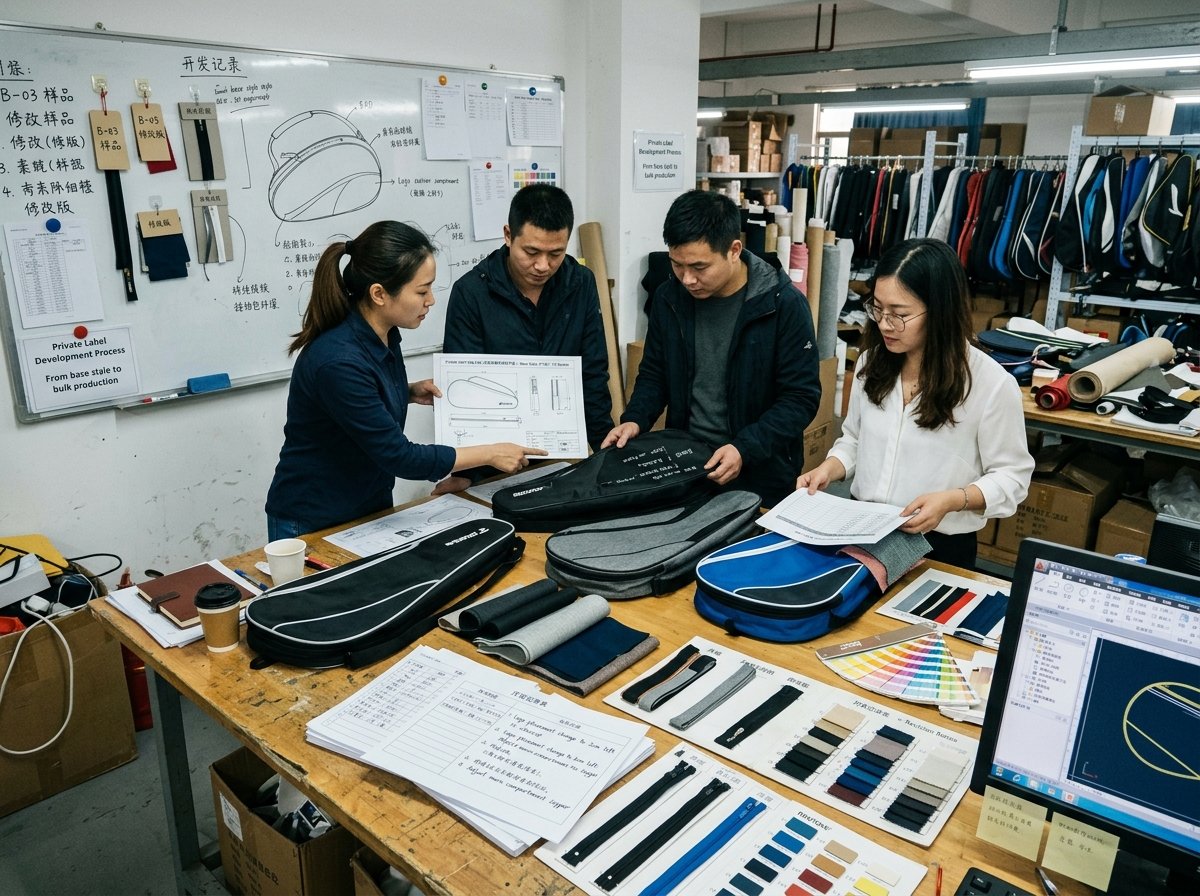
A private label project often starts with choosing a suitable base style from the factory’s existing development range. After that, the product is adjusted to match brand goals. This may include changing the size, number of compartments, handle structure, logo placement, fabric level, and packaging details. Once those points are confirmed, the prototype stage begins.
Prototype review is especially important because it shows whether the product is only visually correct or also functionally correct. The bag should fit the intended number of rackets, maintain shape, feel balanced when carried, and present the brand in the intended way. If the sample stage is rushed, problems often appear in bulk production.
Main stages in private label development
| Stage | Purpose | Expected Output |
|---|---|---|
| Product selection | Finds the right base platform | Suitable bag style |
| Custom planning | Defines brand changes | Development brief |
| Material confirmation | Locks fabric and trims | Sample-ready specification |
| Prototype making | Builds first sample | Physical review piece |
| Revision stage | Improves details and function | Approved sample |
| Production setup | Prepares bulk standards | Ready for manufacturing |
Factories with strong development support often shorten this process by recommending workable adjustments early. Many brands review options through the main factory site before narrowing down a product direction and starting private label discussions.
Packaging, Labeling, and Compliance Requirements for Private Label Helmets
The same packaging, labeling, and compliance discipline used in private label helmet production is highly relevant in private label racket bag development. A finished product needs more than a good bag design. It also needs correct branding presentation, shipment readiness, and market-appropriate documentation.
For racket bags, packaging often affects both brand image and logistics efficiency. A premium sports line may need cleaner retail presentation, custom hangtags, branded tissue, or printed cartons. A more volume-driven retail program may focus on barcode accuracy, compact packing, and standard export carton control. In both cases, packaging should match the sales channel and product position.
Labeling is also important. Product labels, care labels, logo placements, country-of-origin markings, carton marks, and barcode labels should all be confirmed before production begins. Errors here can create shipment delays, retailer rejection, or unnecessary repacking costs.
Key packaging and labeling points
| Area | What Should Be Confirmed | Why It Matters |
|---|---|---|
| Hangtags | Design, barcode, material, attachment | Supports brand presentation |
| Sewn labels | Brand label, care label, origin marking | Meets product and market needs |
| Polybag and carton | Size, print details, packing quantity | Affects shipping and handling |
| SKU identification | Color, size, style code accuracy | Helps warehouse management |
| Compliance support | Material records and product specs | Reduces import and retailer risk |
A strong supplier usually checks these points early instead of leaving them for the final stage. That reduces mistakes and supports a smoother product launch.
What Factory Capabilities Matter Most for Private Label Growth?
The most important factory capabilities for private label growth are category knowledge, flexible customization, sample accuracy, stable quality control, clear communication, and the ability to support multiple related product lines.
Private label development is not only about one order. It is often part of a wider brand growth plan. A brand may begin with one racket bag and later expand into backpacks, duffel bags, shoe bags, and matching accessories. That means the manufacturing partner should be able to support more than simple production.
Factories that stand out in this area usually show several strengths. They understand sports bag construction. They can suggest improvements based on court use and carrying comfort. They manage quality with repeatable systems. They also respond quickly when revisions or seasonal changes are needed. This combination makes expansion easier and lowers sourcing risk over time.
Factory strengths that support long-term private label success
| Capability | Why It Matters |
|---|---|
| Sports bag specialization | Improves product structure and function |
| OEM and ODM support | Helps balance speed and customization |
| Stable QC process | Protects brand reputation in bulk orders |
| Material sourcing ability | Supports different price levels and product tiers |
| Flexible development team | Makes seasonal updates easier |
| Communication discipline | Reduces avoidable project delays |
For brands planning long-term supply, these capabilities often matter more than a low initial quotation. The stronger factory is usually the one that protects quality, timing, and product consistency across repeated launches.
Why Is Product Line Planning Important in Private Label Racket Bags?
Product line planning is important because a private label bag should support broader brand development, not only one single sales opportunity. Good planning creates stronger retail presence and makes future sourcing more efficient.
A single racket bag can generate interest, but a coordinated line often creates stronger market value. Brands that plan early can align color stories, logo style, materials, and packaging across several products. This creates a cleaner shelf presentation and helps customers recognize the brand more easily.
From a sourcing point of view, product line planning also improves efficiency. Shared materials, matching trims, and repeated branding methods can simplify development and reduce inconsistency between models. A factory experienced in sports bags can often guide this expansion by recommending the right sequence, such as starting with a core racket bag and then extending into a backpack, duffel bag, or shoe bag with related styling.
This is one reason many growing brands prefer to work with a racket bag manufacturer that already understands category expansion rather than a general supplier focused only on one-off production.
Conclusion
Private label racket bag development gives brands a practical way to combine faster launch speed with stronger brand identity. When the right factory supports customization, sample development, packaging, labeling, and stable production control, the result is more than a branded bag. It becomes a scalable product program that can support wider sports bag growth, cleaner market positioning, and more dependable long-term sourcing performance.