Building a custom badminton bag product line is not just about launching one successful product. It requires a structured approach that connects market positioning, product planning, and manufacturing execution. Brands that approach this strategically can create scalable product systems instead of isolated SKUs.
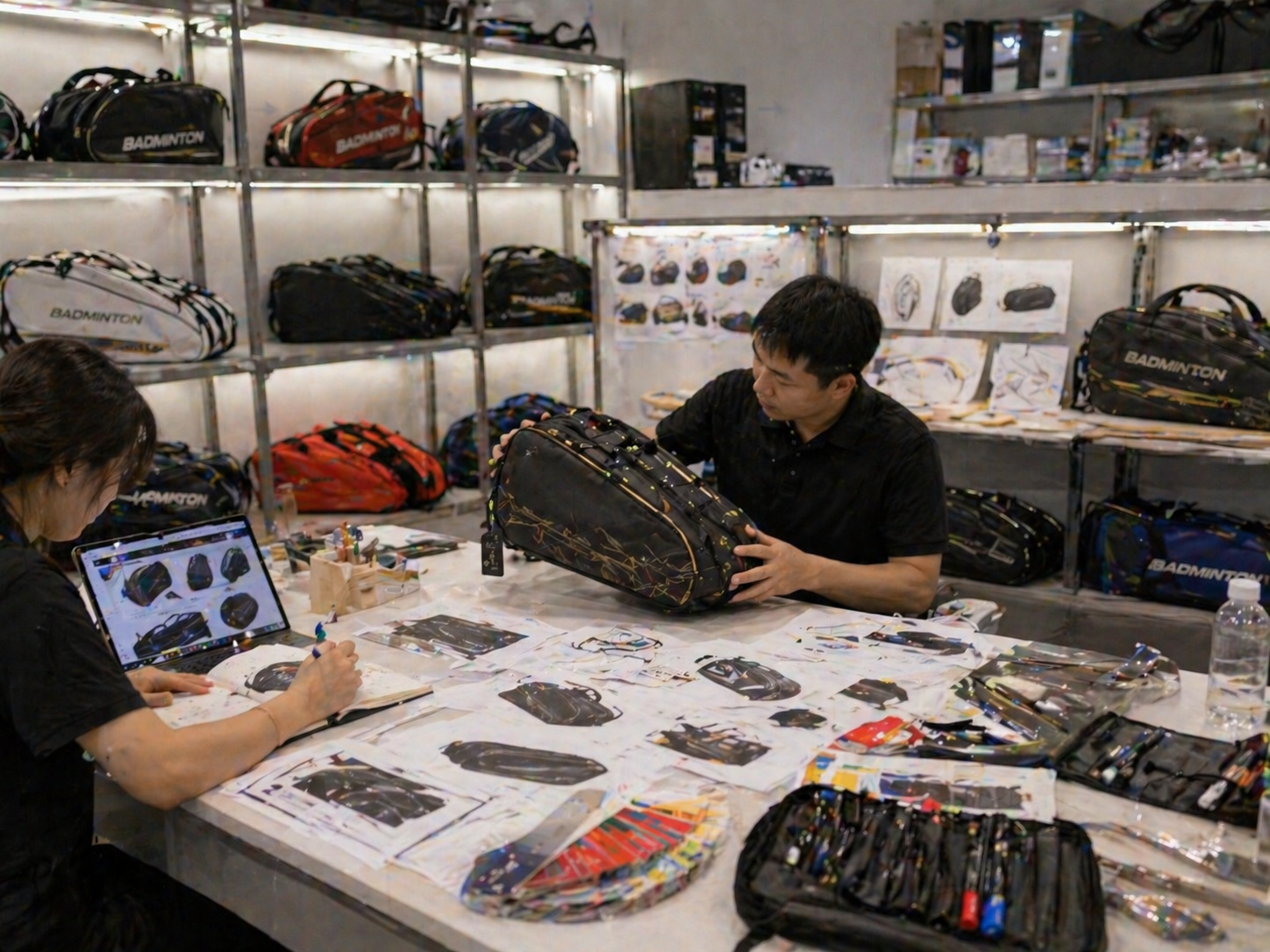
A successful badminton bag product line is built through clear market positioning, structured product planning, and reliable manufacturing systems that ensure consistency across multiple models.
A well-developed product line helps brands cover multiple customer segments while maintaining a consistent identity and quality standard.
How to Structure a Custom Badminton Bag Product Line?
Product line structure determines how effectively a brand covers the market.
A strong product line includes entry-level, mid-range, and premium models, each designed for specific user needs and price segments.
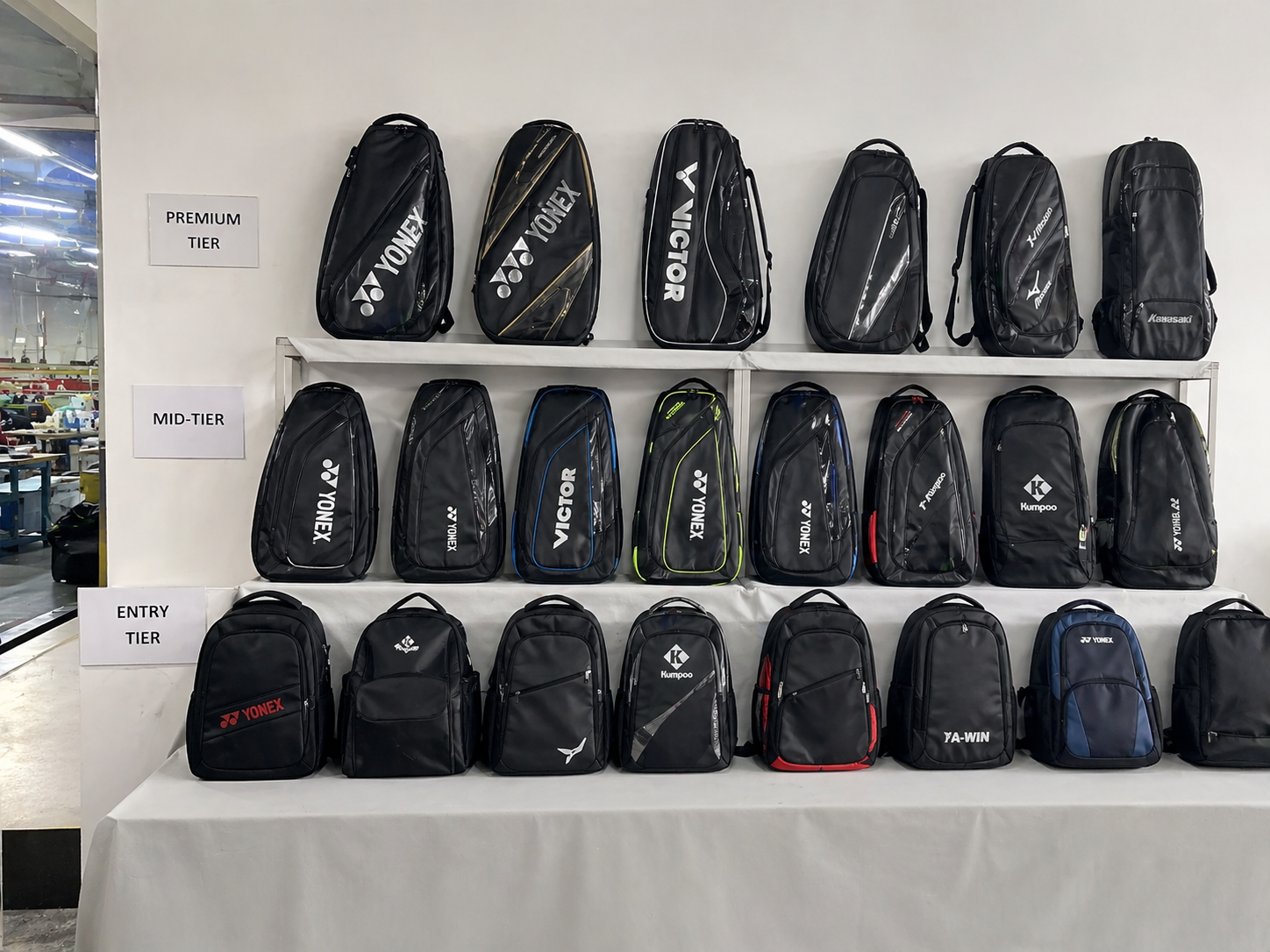
Instead of focusing on a single design, brands should develop a tiered structure. Entry-level products prioritize affordability and simplicity. Mid-range products balance functionality and cost. Premium models focus on advanced features, durability, and brand differentiation.
This structure allows brands to address different customer groups while creating upgrade paths within the same brand ecosystem.
A basic product line framework:
| Segment | Focus | Typical Features |
|---|---|---|
| Entry-level | Price and portability | Basic compartments |
| Mid-range | Function and balance | Improved structure |
| Premium | Performance | Advanced features |
Working with a professional badminton bag manufacturer helps ensure that each tier is developed with appropriate materials and construction standards.
How Does Market Positioning Influence Product Planning?
Market positioning defines the direction of product development.
Clear positioning determines design priorities, material selection, and feature sets for each product within the line.
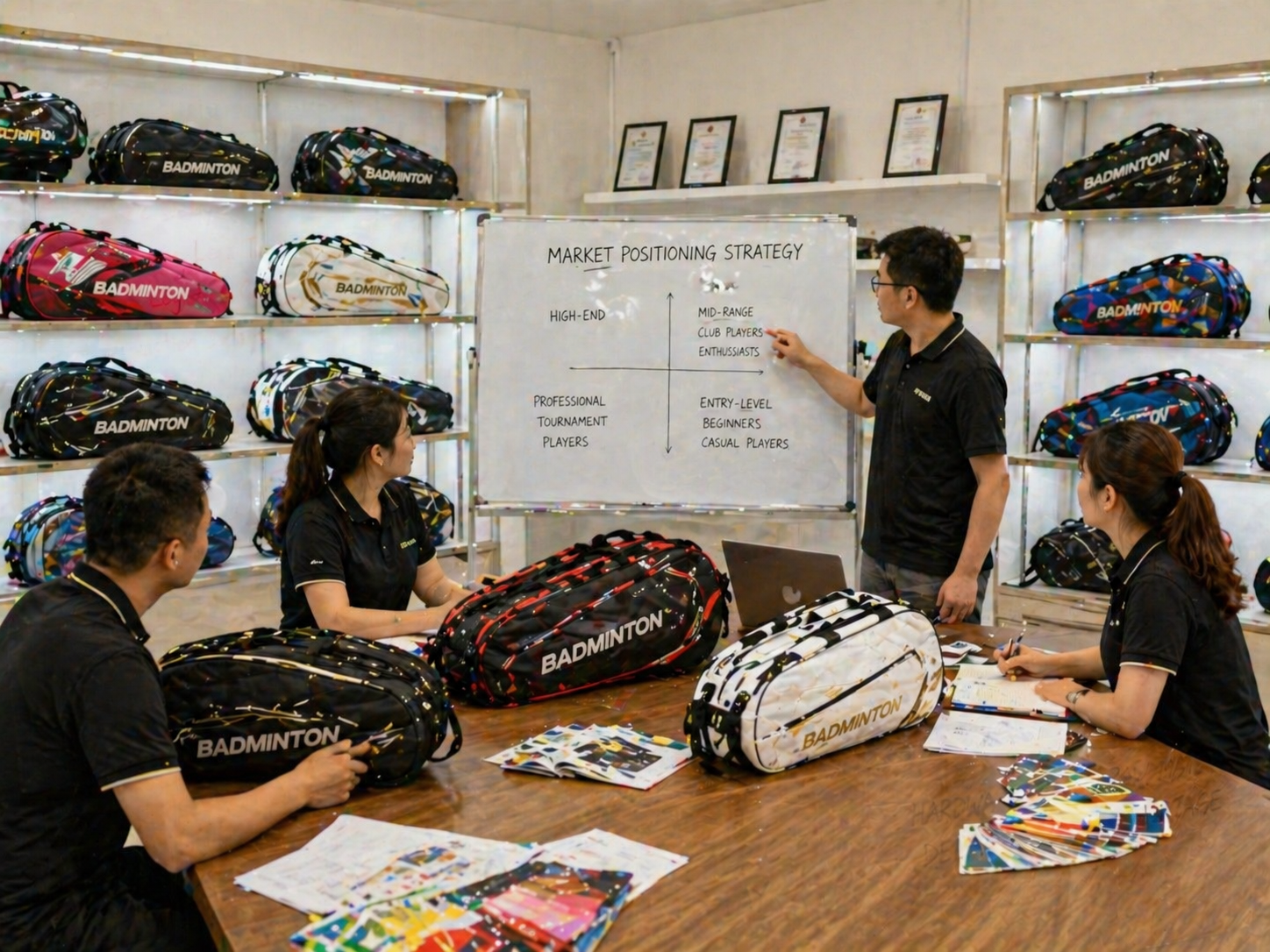
Brands targeting casual players may focus on lightweight and versatile designs. Those targeting professional players or clubs must prioritize durability, capacity, and specialized compartments.
Positioning also affects pricing strategy. Premium positioning requires higher-quality materials and better construction, while entry-level positioning focuses on cost efficiency.
Without clear positioning, product lines often become inconsistent, leading to confusion in the market and weak brand identity.
What Role Does Product Planning Play in Line Development?
Product planning connects strategy with execution.
Effective product planning ensures that each model has a clear purpose, avoids overlap, and contributes to overall brand growth.
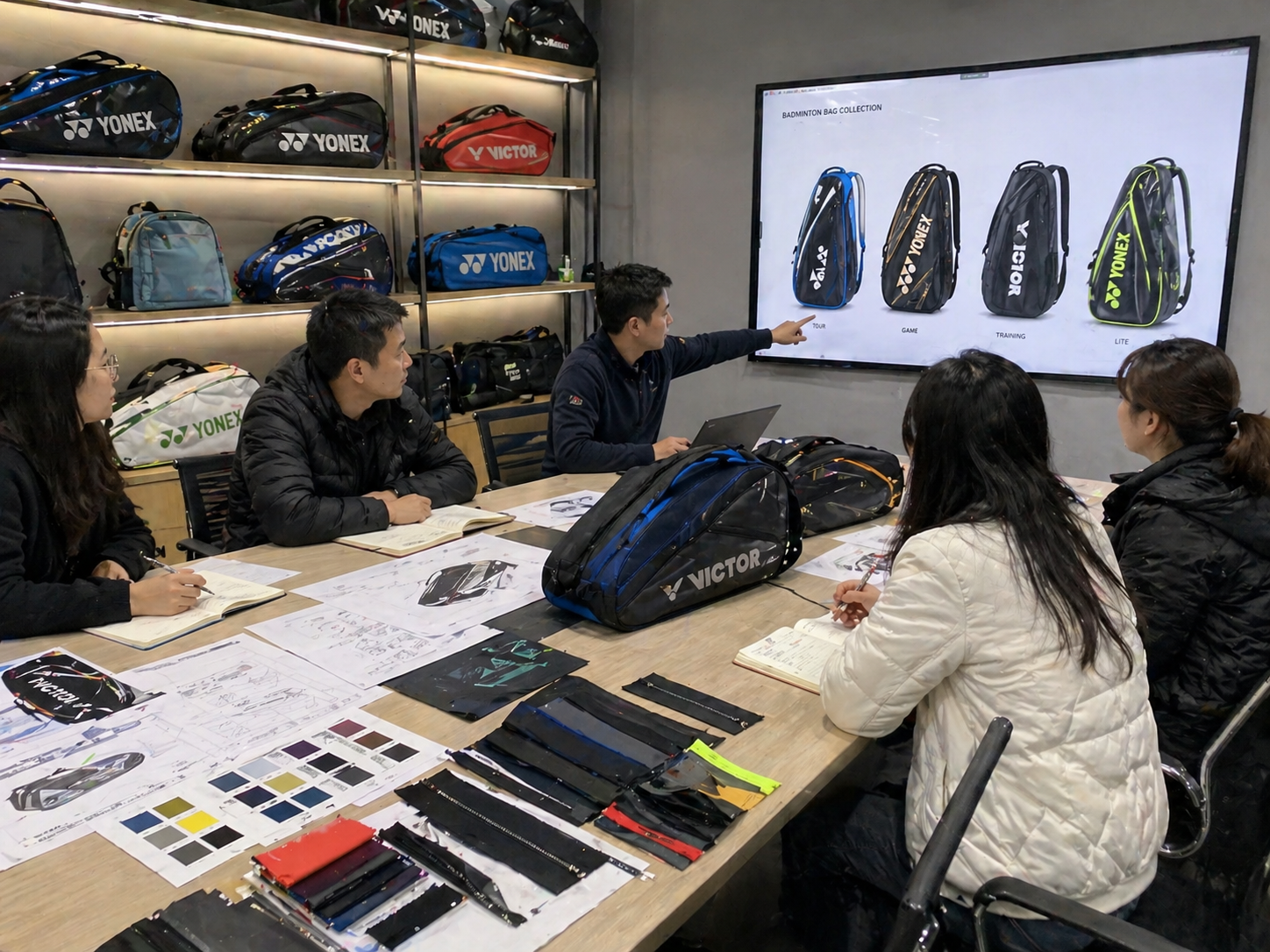
One common issue is internal competition between products. When multiple models have similar features and pricing, it becomes difficult for customers to choose, and overall sales performance suffers.
To avoid this, each product should have a defined role. For example, one model may focus on portability, while another emphasizes capacity or premium features.
Planning should also consider scalability. A base design can be adapted into multiple versions, such as different sizes or feature levels, to expand the product line efficiently.
A reliable sports bag supplier can support this process by providing technical input and ensuring that designs are feasible for production.
How Do Custom Features Help Differentiate Product Lines?
Customization is key to standing out in a competitive market.
Custom features such as compartment layout, material upgrades, and branding elements create differentiation and increase product value.
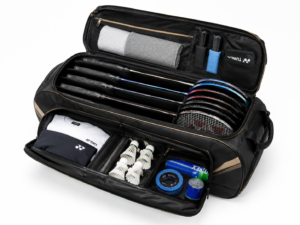
Functional differentiation is especially important. Features such as independent shoe compartments, thermal racket storage, and reinforced structures improve usability and address common user pain points.
Material selection also plays a role. Premium materials enhance durability and perceived value, while cost-effective materials support competitive pricing in entry-level products.
Branding elements, including color schemes and logo applications, create visual consistency across the product line.
What Manufacturing Considerations Are Important for New Product Lines?
Manufacturing capability determines whether a product line can scale.
Key considerations include production capacity, quality control systems, and the ability to maintain consistency across multiple SKUs.
As the number of products increases, maintaining consistent quality becomes more challenging. Clear production standards and detailed specifications are required to ensure that all models meet brand expectations.
Production flexibility is also important. Brands often need to launch new variations or adjust existing models. A manufacturer that supports customization and small-batch production provides greater flexibility.
Lead time management is another factor. Efficient production planning ensures that multiple products can be delivered on schedule without delays.
How Can Brands Avoid Common Mistakes in Product Line Development?
Mistakes in early planning can affect long-term performance.
Common issues include unclear positioning, overlapping products, inconsistent quality, and lack of scalability.
Unclear positioning leads to inconsistent products that fail to meet specific user needs. Overlapping designs create internal competition and reduce overall efficiency.
Inconsistent quality across different models weakens brand credibility. This often happens when different products use different material standards without clear guidelines.
Lack of scalability limits growth. Product lines should be designed with future expansion in mind.
How Can Brands Scale a Badminton Bag Product Line Successfully?
Scaling requires both strategic planning and operational control.
Successful scaling depends on consistent quality, efficient production processes, and continuous product improvement based on market feedback.
As sales grow, maintaining quality becomes more critical. Regular inspections and standardized processes help ensure consistency.
Feedback from customers provides valuable insights for improving existing products and developing new ones. This allows brands to refine their product line over time.
Long-term partnerships with reliable manufacturers improve efficiency and reduce risk during expansion.
Conclusion
Developing a custom badminton bag product line requires clear positioning, structured planning, and reliable manufacturing. Brands that align these elements can create scalable product systems and achieve long-term market success.