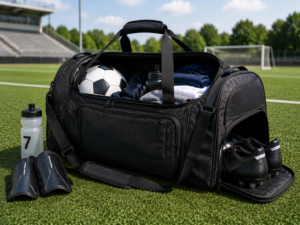
Material selection is one of the most critical factors in badminton bag development. It directly affects durability, structure, appearance, and overall user experience. For sports brands, choosing the right materials is not just a technical decision—it defines product positioning and long-term market performance.
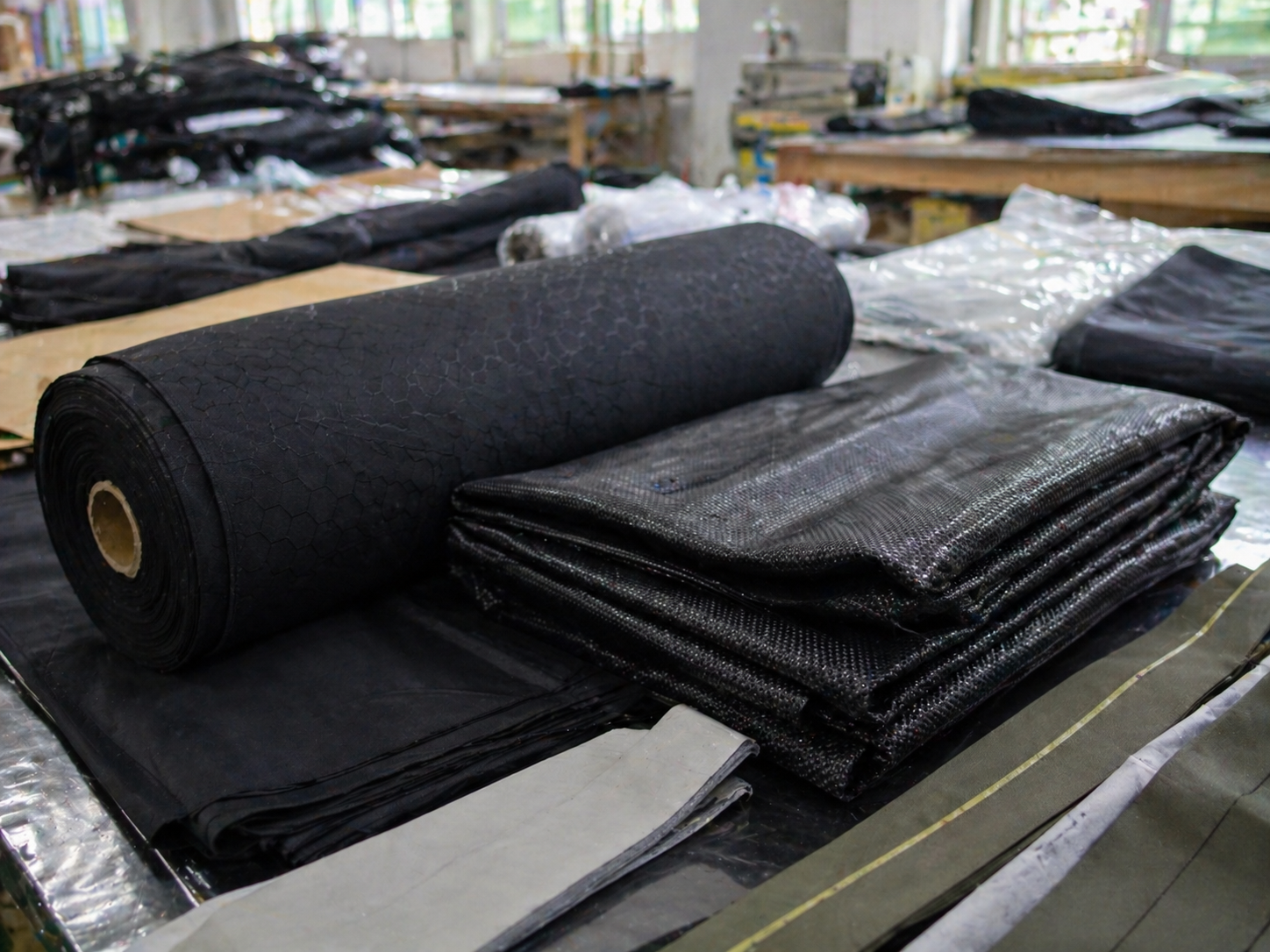
High-quality badminton bags rely on a combination of durable outer fabrics, functional coatings, reinforced structures, and reliable hardware to ensure performance and consistency.
Understanding how different materials perform helps brands avoid common issues such as zipper failure, structural collapse, and poor durability.
What Are the Core Materials Used in Badminton Bags?
Badminton bags are built using multiple layers of materials.
Key materials include outer fabrics, linings, padding, reinforcement components, and hardware, each contributing to performance and usability.
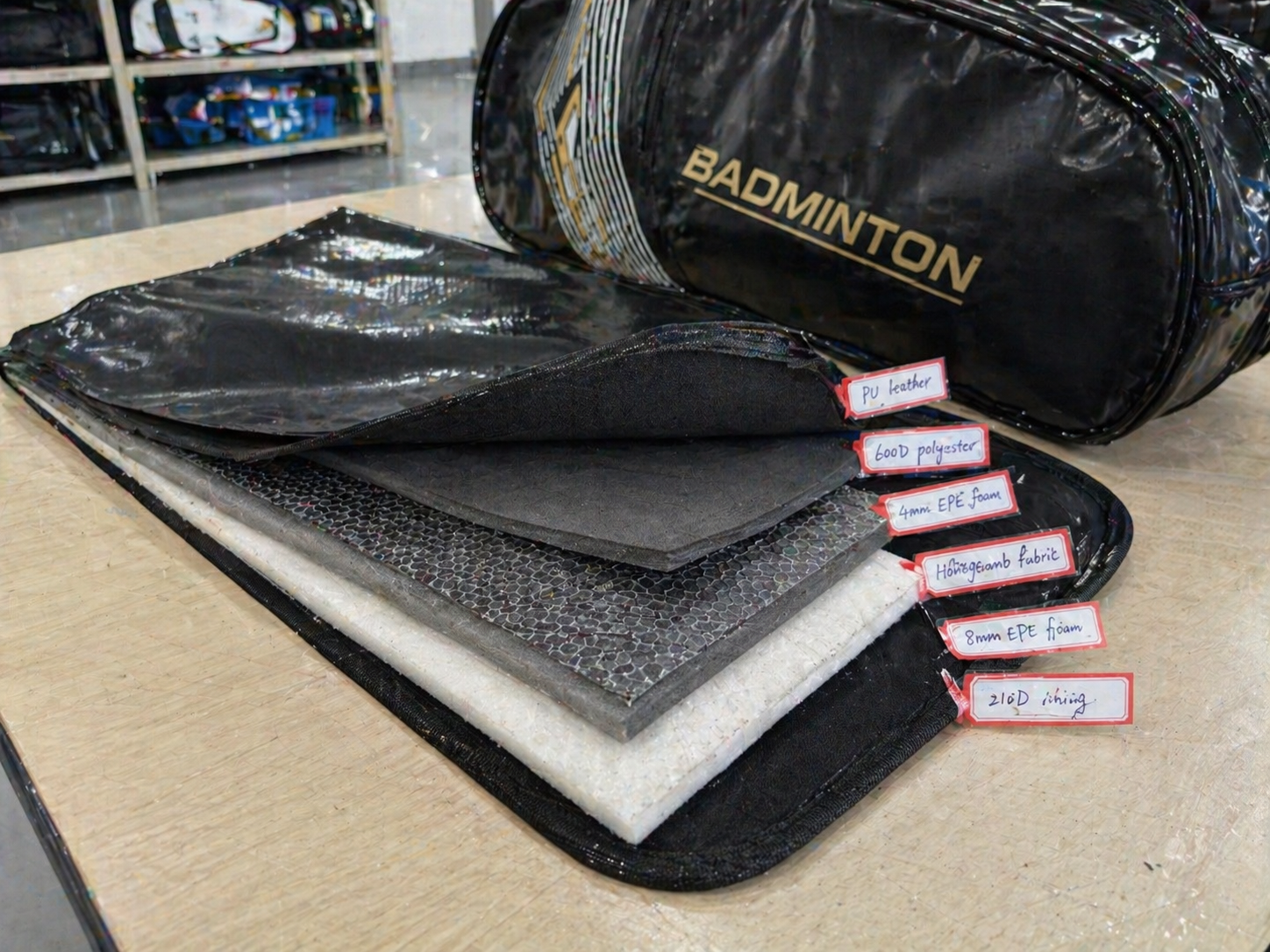
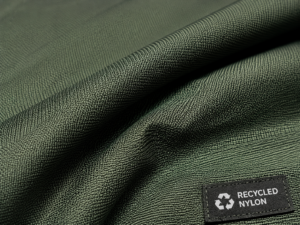
The outer fabric is responsible for abrasion resistance and visual appearance. Polyester and nylon are the most commonly used materials, with different densities affecting strength and durability. Inner linings protect the contents and improve overall finish, while also helping manage moisture and odor.
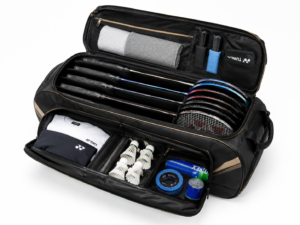
Padding materials such as EVA foam provide impact protection and improve structure. Reinforcement components like PE boards help maintain shape, especially in multi-racket bags. Hardware elements such as zippers and buckles ensure functional reliability.
A structured overview:
| Material Layer | Function |
|---|---|
| Outer fabric | Protection and durability |
| Lining | Internal protection |
| Padding | Impact absorption |
| Reinforcement | Shape retention |
| Hardware | Functional performance |
Brands working with a specialized badminton bag manufacturer can ensure proper integration of these materials during development.
How Do Different Materials Compare in Performance?
Material performance varies based on composition and treatment.
Polyester offers cost efficiency, nylon provides higher strength, and coated fabrics enhance water resistance and durability.
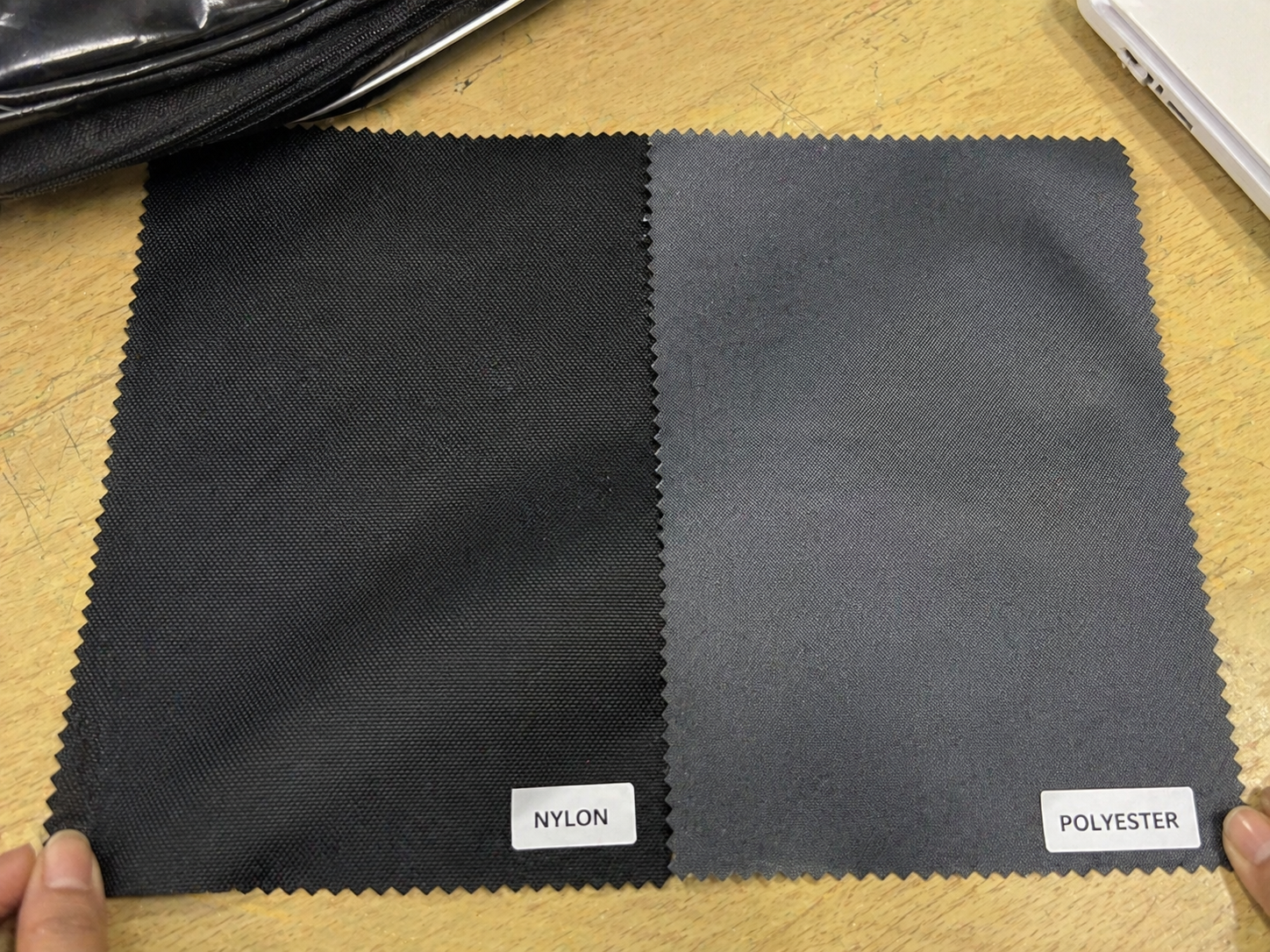
Polyester is widely used in entry- and mid-level products. It offers stable performance and good color retention at a lower cost. Nylon, especially high-denier variants, provides superior abrasion resistance and is often used in premium products.
Coated fabrics add functional benefits. PU coatings improve water resistance, while specialized treatments enhance durability under heavy use.
A comparison overview:
| Material | Strength | Cost | Application |
|---|---|---|---|
| Polyester | Moderate | Low | Entry-level bags |
| Nylon | High | Medium to high | Premium bags |
| Coated fabrics | Enhanced | Higher | Performance products |
Selecting the right material depends on balancing performance requirements with target pricing.
How Does Material Choice Affect Durability and Cost?
Material decisions directly influence product lifespan and pricing.
Higher-quality materials improve durability and reduce failure rates, but they increase production cost. Balancing these factors is essential for market success.
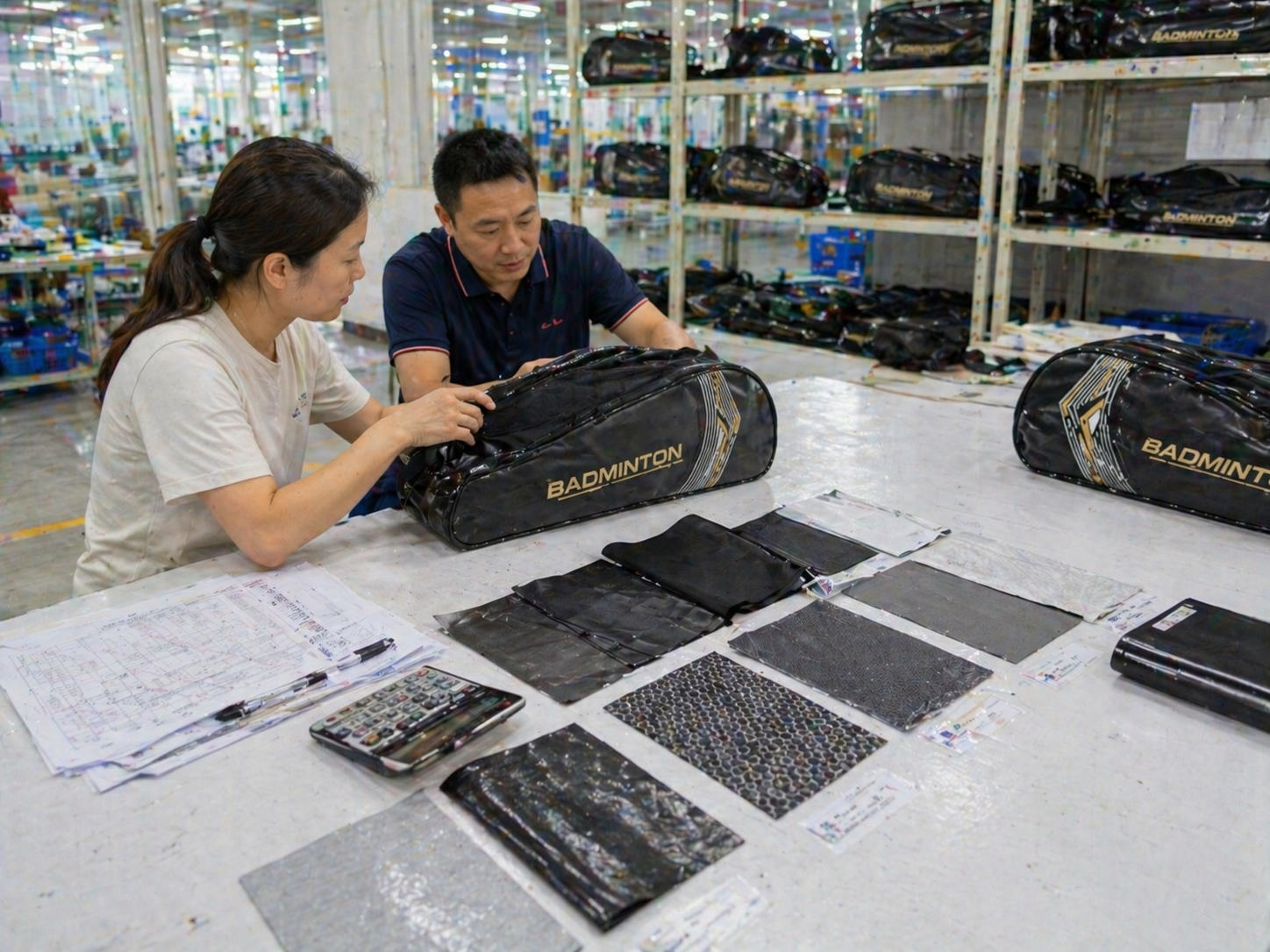
Low-cost materials often lead to issues such as fabric tearing, weak stitching, and unreliable zippers. These problems are frequently reported in lower-quality products and can damage brand reputation.
On the other hand, premium materials enhance durability and user satisfaction but must align with the product’s price segment. Over-specification can make products less competitive in price-sensitive markets.
A balanced material strategy considers total lifecycle cost, not just initial production cost. Investing in better materials can reduce returns and improve customer satisfaction.
A reliable sports bag supplier can help optimize material selection to achieve both durability and cost efficiency.
What Waterproof Materials Are Used in Badminton Bags?
Water resistance is an important feature for sports bags.
Waterproof performance is achieved through coated fabrics, laminated materials, and specialized construction techniques.
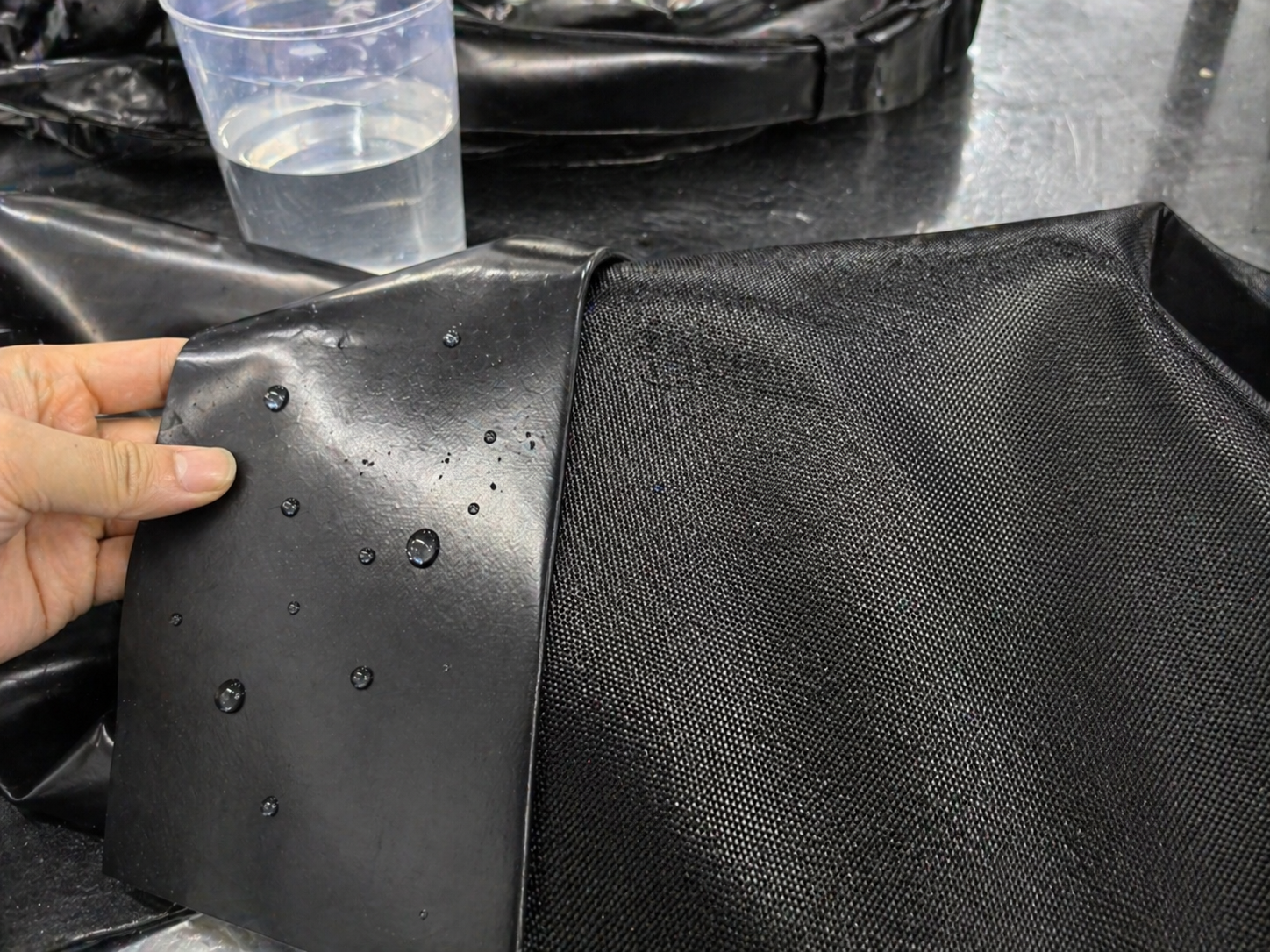
PU-coated polyester and nylon are commonly used to provide water resistance. For higher performance, laminated materials such as TPU layers are applied to prevent water penetration.
However, material alone is not enough. Seam construction and zipper design also affect waterproof performance. Without proper sealing, water can enter through stitching or openings.
Waterproof design must combine materials and construction methods to achieve reliable results.
How Do Reinforcement Materials Improve Bag Structure?
Structural integrity is essential for high-quality products.
Reinforcement materials such as PE boards, EVA foam, and high-density padding maintain shape and improve load-bearing capacity.
Without reinforcement, bags tend to collapse under load, especially when carrying multiple rackets and equipment. This reduces usability and creates a perception of low quality.
Internal support elements distribute weight evenly and maintain structure. Reinforced stitching further strengthens stress points such as handles and straps.
Balancing reinforcement and weight is important. Excessive reinforcement increases bulk, while insufficient support leads to structural failure.
What Material Innovations Are Emerging in Sports Bag Manufacturing?
Material innovation is shaping the future of badminton bags.
New materials focus on lightweight performance, sustainability, and enhanced durability to meet evolving market demands.
Lightweight high-strength fabrics are being developed to reduce overall weight without compromising durability. Recycled polyester and eco-friendly coatings are gaining popularity as brands respond to environmental concerns.
Advanced coating technologies improve water resistance while maintaining flexibility. Bonded construction methods are also being introduced to complement traditional stitching.
These innovations allow brands to create products that are both high-performing and aligned with modern consumer expectations.
How Should Brands Select Materials Based on Product Positioning?
Material selection must align with brand strategy.
Entry-level products prioritize cost efficiency, while premium products focus on durability, performance, and advanced features.
For entry-level products, polyester-based materials provide a good balance between cost and performance. Mid-range products often combine polyester with coatings for added durability. Premium products use high-density nylon, reinforced structures, and advanced materials.
Consistency across product lines is essential. Using different material standards without clear positioning can weaken brand identity.
Conclusion
Material selection is the foundation of badminton bag quality and performance. By balancing durability, cost, and innovation, brands can develop products that meet market expectations and achieve long-term success.