As sports brands expand beyond a single category, manufacturing decisions become more complex. Choosing between OEM and ODM is no longer just about one product—it affects the entire product line, development speed, and long-term brand positioning.
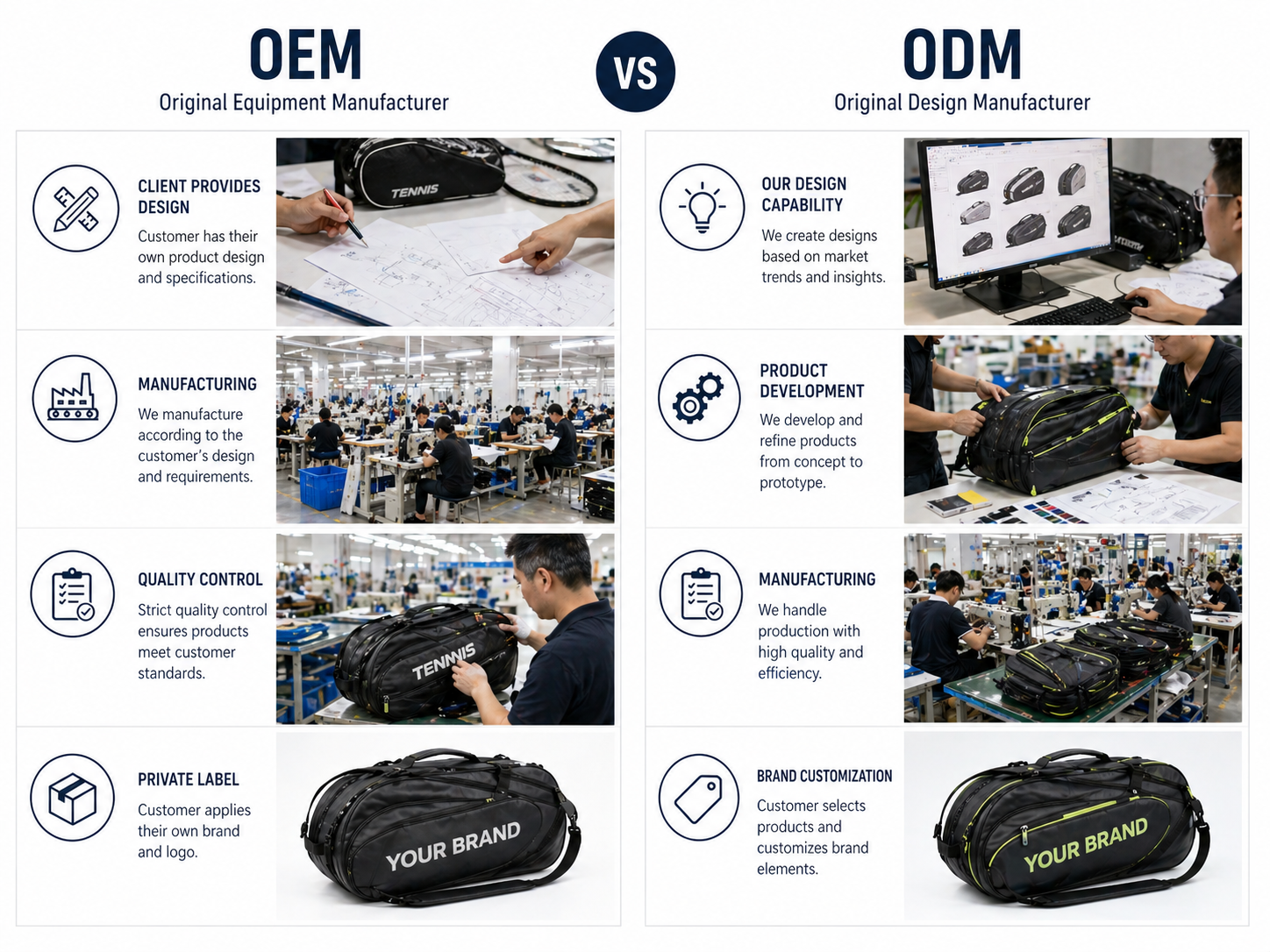
OEM offers full control and differentiation, while ODM provides speed and cost efficiency. The right choice depends on product strategy, category expansion plans, and brand positioning.
Understanding how these two models work across multiple product categories is essential for building a scalable and competitive brand.
What Is the Difference Between OEM and ODM for Sports Bags?
The difference lies in design ownership and development responsibility.
OEM allows brands to create fully customized products, while ODM uses pre-designed factory models with limited modifications.
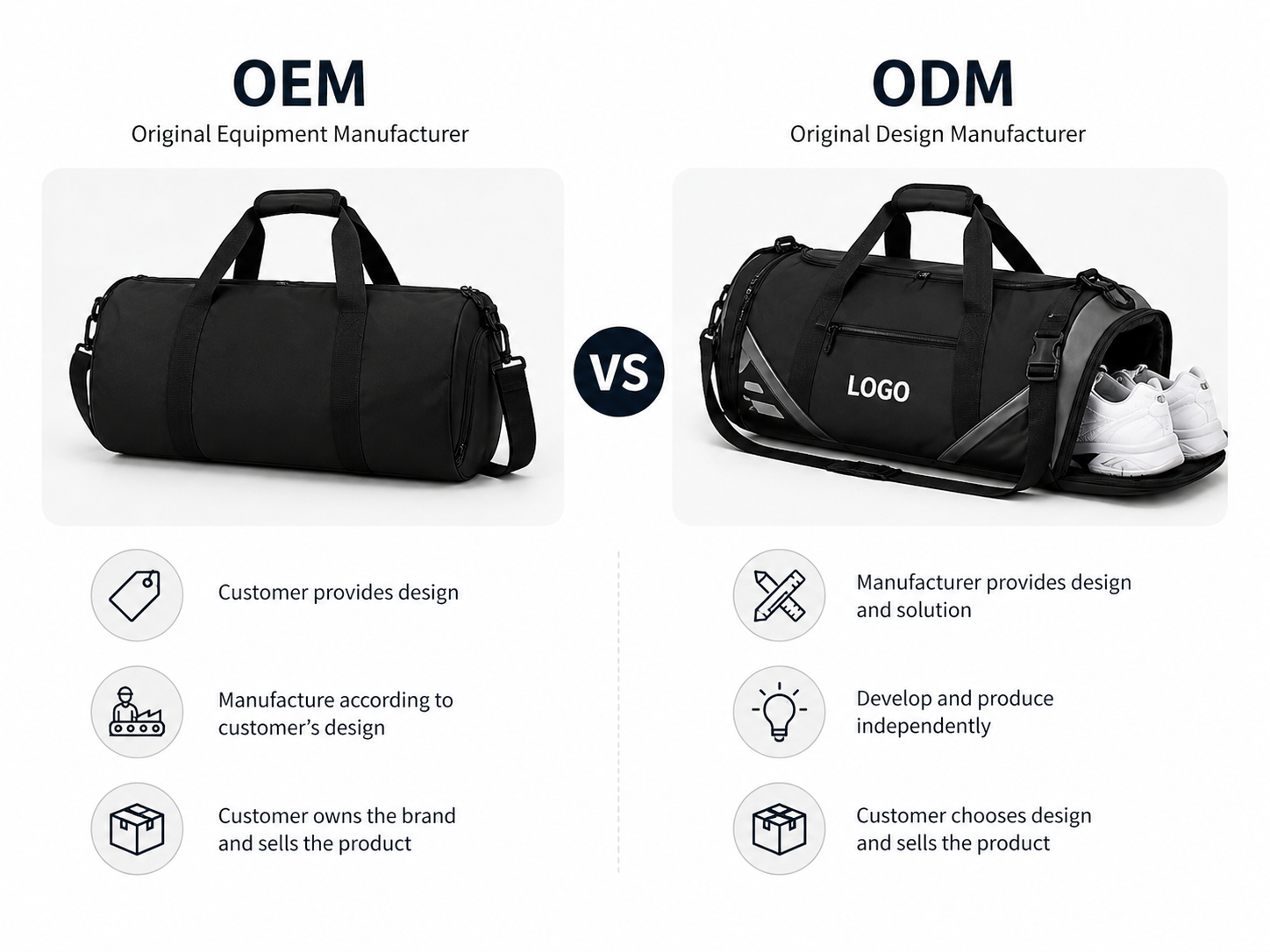
In OEM production, the brand defines every aspect of the product. This includes structure, materials, compartments, and functional features. The factory executes production based on these specifications. This model is commonly used for brands aiming to build a strong identity and differentiate their products in the market.
ODM production, in contrast, starts with existing factory designs. Brands can apply logos, adjust colors, and make minor structural changes, but the core design remains the same. This significantly reduces development time and simplifies the sourcing process.
A clear comparison:
| Aspect | OEM | ODM |
|---|---|---|
| Design ownership | Brand | Factory |
| Development effort | High | Low |
| Customization | Full | Limited |
| Speed to market | Slower | Faster |
Working with a professional sports bag manufacturer allows brands to apply both models flexibly depending on their product strategy.
How Does OEM vs ODM Apply to Multi-Category Sports Bags?
Multi-category expansion changes how manufacturing models are used.
OEM is often applied to core products, while ODM is used for supporting categories to accelerate product line expansion.
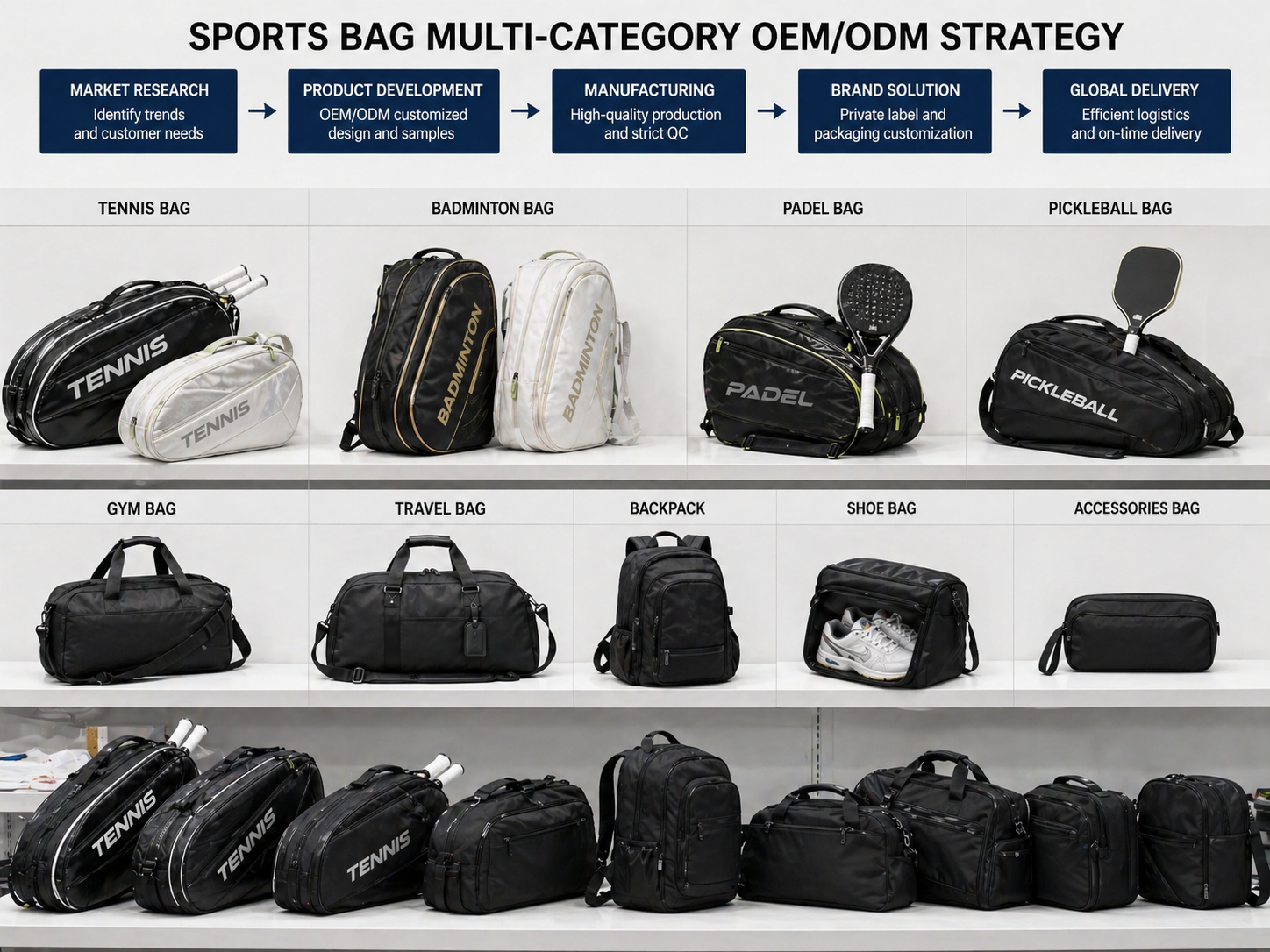
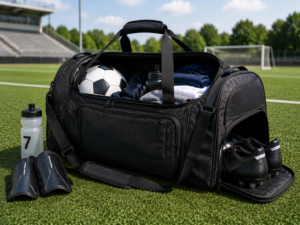
As brands expand from tennis bags into backpacks, duffel bags, or training bags, the need for speed increases. Developing every product through OEM can slow down expansion and increase cost.
A common strategy is to use OEM for flagship products that define the brand. These products require differentiation and advanced features. For secondary categories, ODM allows faster entry into the market with lower investment.
| Product Type | Recommended Model |
|---|---|
| Core products | OEM |
| Supporting products | ODM |
| Seasonal items | ODM |
| Premium lines | OEM |
This hybrid structure enables brands to scale efficiently while maintaining competitiveness.
How Should Brands Choose Manufacturing Models When Expanding Product Lines?
The choice depends on strategic priorities and available resources.
Brands should align OEM or ODM decisions with product importance, market positioning, and development capacity.
Not all products require the same level of customization. High-impact products should receive more development focus, while lower-impact items can prioritize speed and cost efficiency.
Key considerations include:
- Product role in the portfolio
- Required level of differentiation
- Budget and development resources
- Time-to-market requirements
Brands often begin new categories using ODM to validate demand, then transition to OEM once the category shows potential. A flexible tennis bag supplier can support this transition smoothly.
What Are the Cost and Customization Trade-offs in Sports Bag Production?
Cost and customization are directly linked.
OEM increases differentiation but requires higher upfront investment, while ODM reduces cost but limits uniqueness.
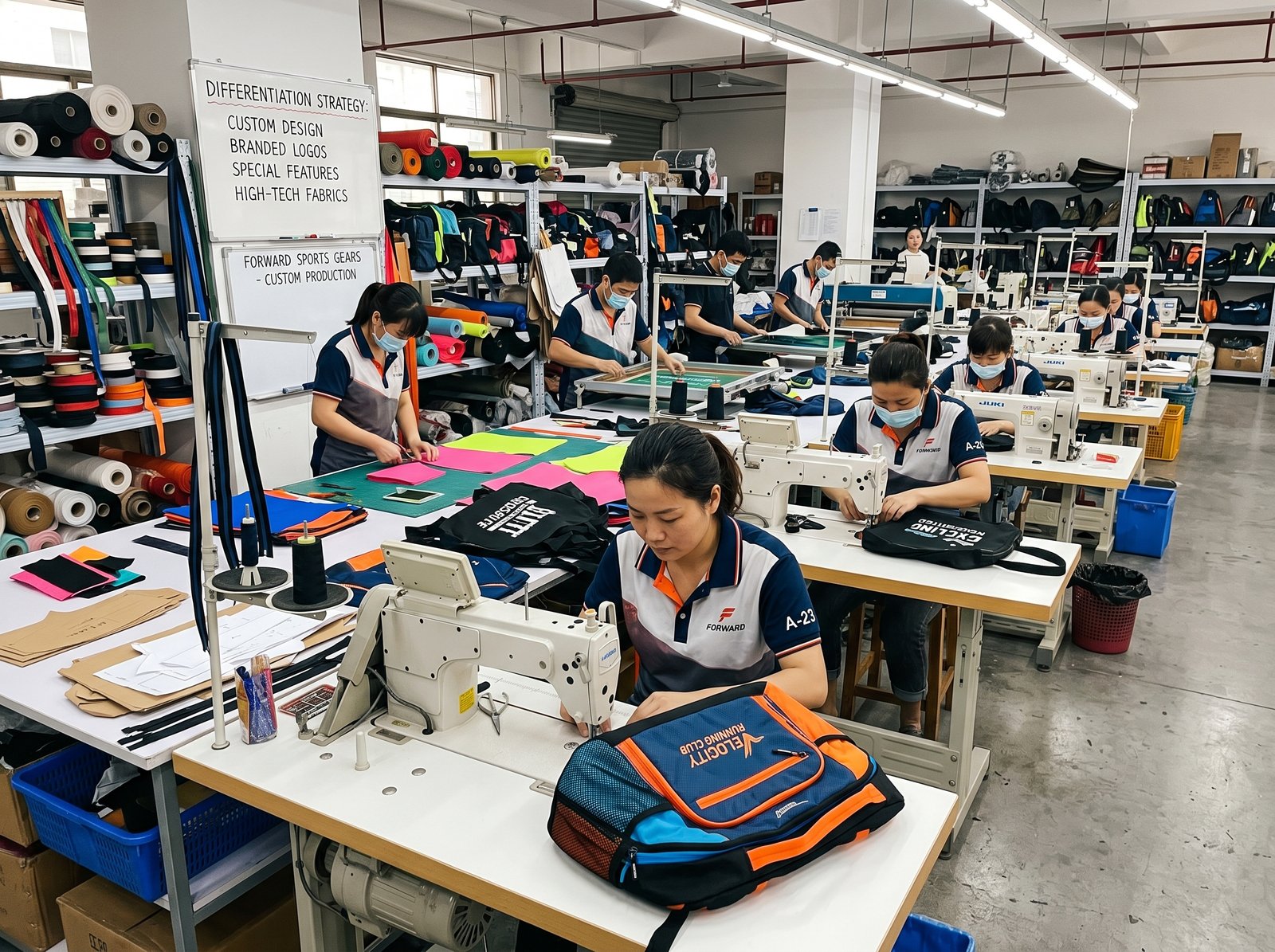
OEM development includes design, prototyping, and testing, which increases cost but results in unique products. ODM removes most development steps, making it faster and more cost-efficient.
However, limited differentiation in ODM products can lead to higher competition.
| Factor | OEM | ODM |
|---|---|---|
| Development cost | Higher | Lower |
| Product uniqueness | High | Moderate |
| Market competition | Lower | Higher |
| Profit potential | Higher | Moderate |
Brands should evaluate total lifecycle value rather than focusing only on initial cost.
What Are the Risks of OEM and ODM in Sports Bag Manufacturing?
Each model carries specific risks.
OEM involves higher complexity and longer timelines, while ODM carries risks of product similarity and reduced brand differentiation.
OEM risks include miscommunication during development, extended lead times, and higher correction costs. ODM risks mainly involve lack of uniqueness, which can lead to price competition.
Managing these risks requires clear specifications, strong communication, and strategic product planning.
How Do Leading Brands Combine OEM and ODM Strategies?
Most successful brands use both models.
A hybrid strategy balances innovation, speed, and cost across different product categories.
Brands typically use OEM for flagship products and ODM for supporting or seasonal items. This approach allows efficient resource allocation while maintaining brand identity.
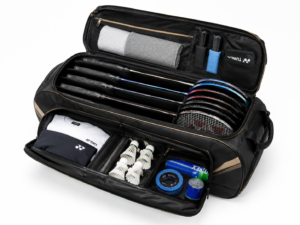
For example, a brand may develop a high-performance racket bag through OEM while sourcing accessories through ODM. This creates a balanced product portfolio.
How Does Manufacturing Choice Impact Long-Term Brand Development?
Manufacturing strategy directly influences brand growth.
OEM supports long-term differentiation, while ODM supports rapid expansion and market testing.
Brands focused on long-term positioning invest more in OEM to build unique product lines. ODM is used to quickly enter new categories or respond to trends.
Balancing both approaches enables sustainable growth and stronger market presence.
Conclusion
OEM and ODM each serve different strategic purposes. Brands that align manufacturing models with product goals and market positioning can achieve both efficient expansion and long-term competitiveness.