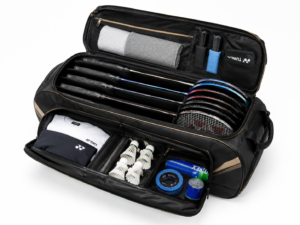
The racket sports bag market is evolving rapidly as consumer expectations shift toward performance, convenience, and sustainability. Tennis and badminton players are no longer satisfied with basic storage solutions. They expect products that combine advanced materials, functional design, and modern aesthetics.
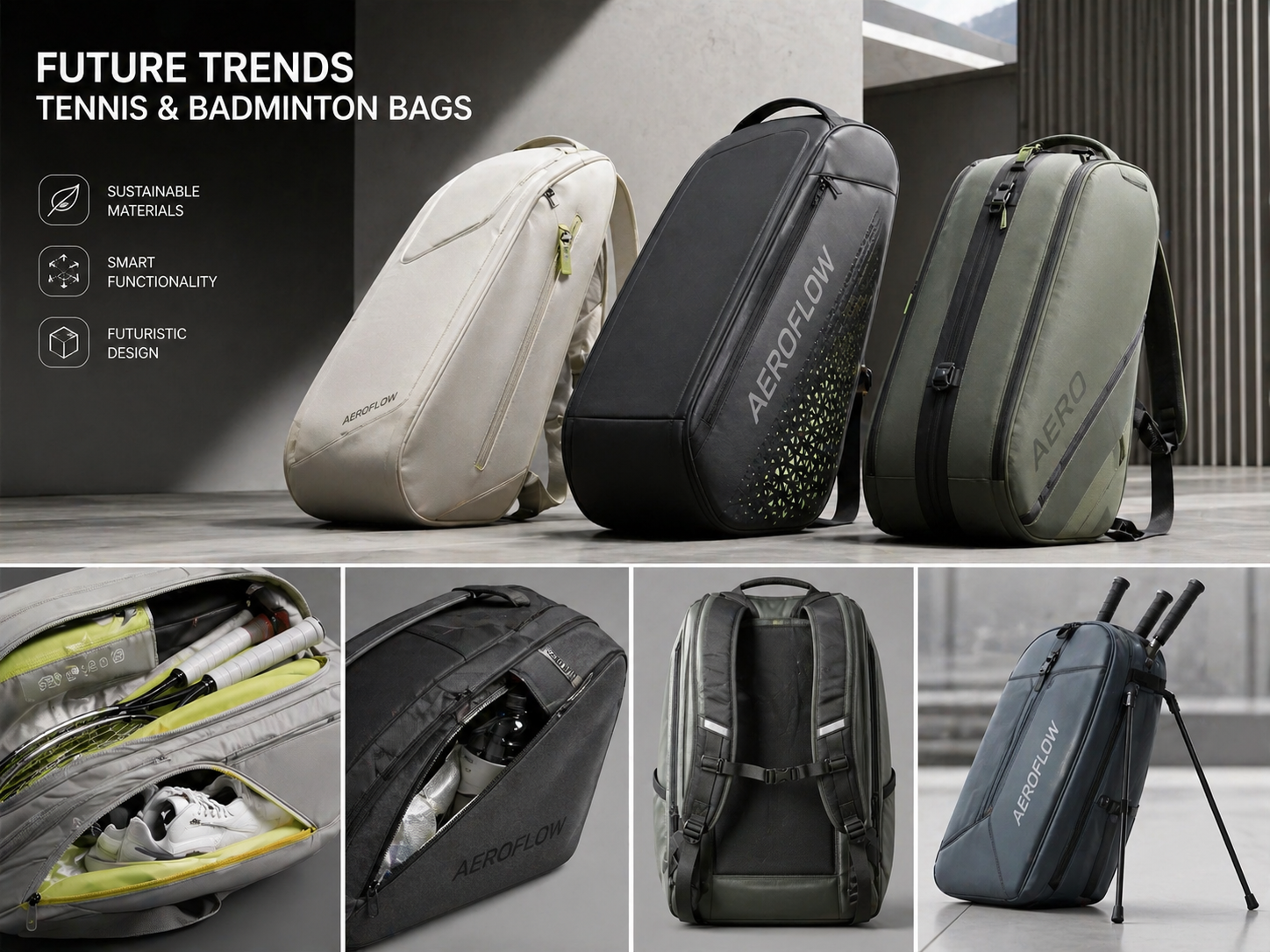
Future racket sports bags will focus on lightweight durability, smart functionality, sustainable materials, and user-centered design. Brands that adapt to these trends will gain a strong competitive advantage.
Understanding these trends helps brands align product development with future market demand.
What Are the Key Design Trends in Racket Sports Bags?
Design trends are shifting toward functionality combined with modern aesthetics.
Future designs will emphasize modular layouts, lightweight structures, and multi-functional usage across sports and daily scenarios.
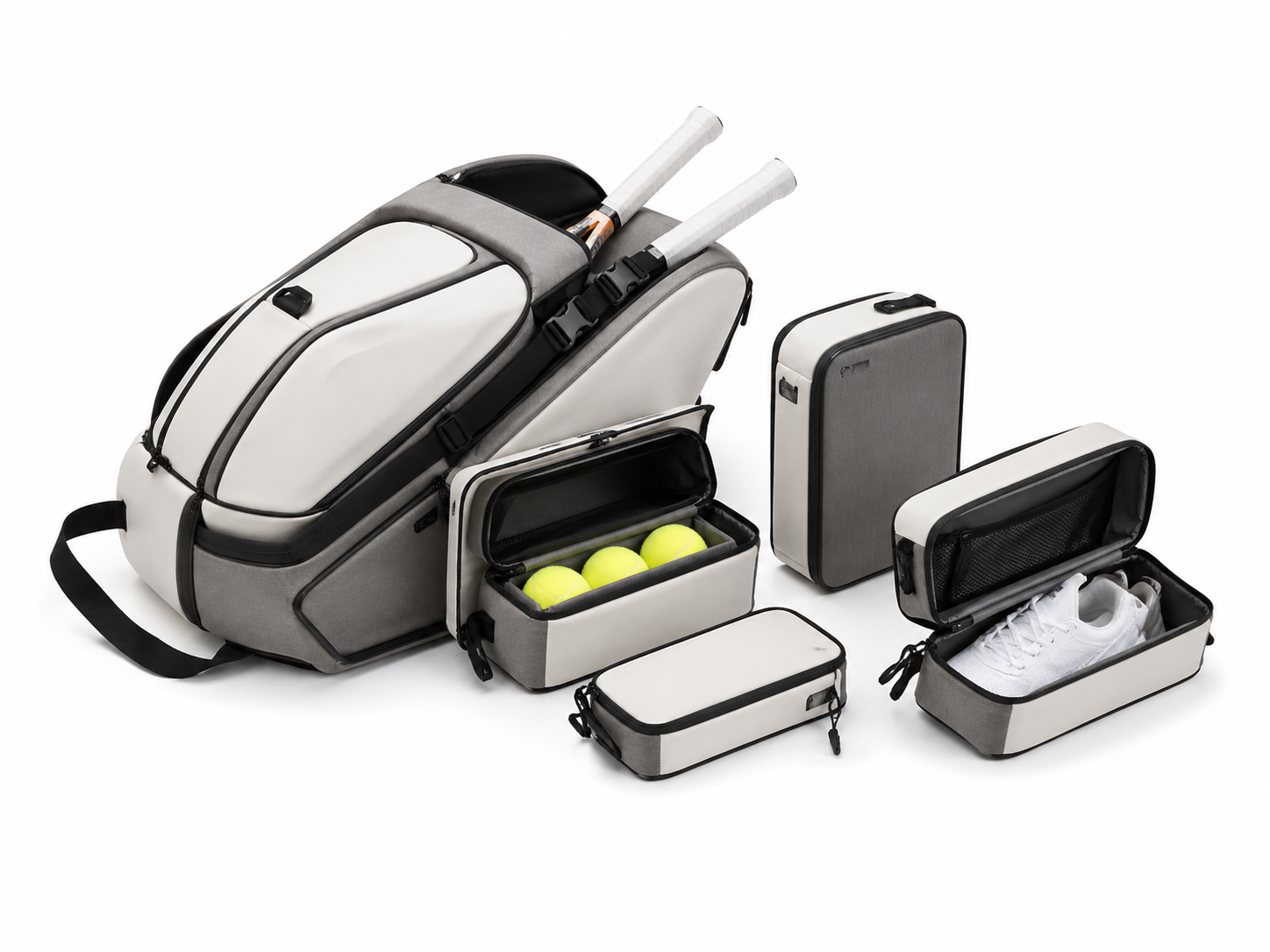
Traditional bulky designs are gradually being replaced by more streamlined and adaptable structures. Players now expect bags that can transition between sports use and daily activities. This has led to the development of hybrid designs that combine the capacity of racquet bags with the portability of backpacks.
Modular compartment systems are becoming more common. Instead of fixed layouts, adjustable compartments allow users to customize storage based on their needs. This improves usability and extends product lifespan.
Another noticeable trend is the shift toward lighter construction. Reducing weight without compromising durability requires careful material selection and structural optimization.
Key design directions include:
| Trend | Impact |
|---|---|
| Modular compartments | Flexible storage |
| Lightweight structure | Improved portability |
| Hybrid design | Multi-scenario use |
Brands working with an advanced racket bag manufacturer can integrate these trends into product development while maintaining structural reliability.
How Will Material Innovation Shape Future Tennis and Badminton Bags?
Material innovation is a major driver of product evolution.
Future materials will focus on lightweight strength, environmental sustainability, and enhanced performance such as water resistance and thermal protection.
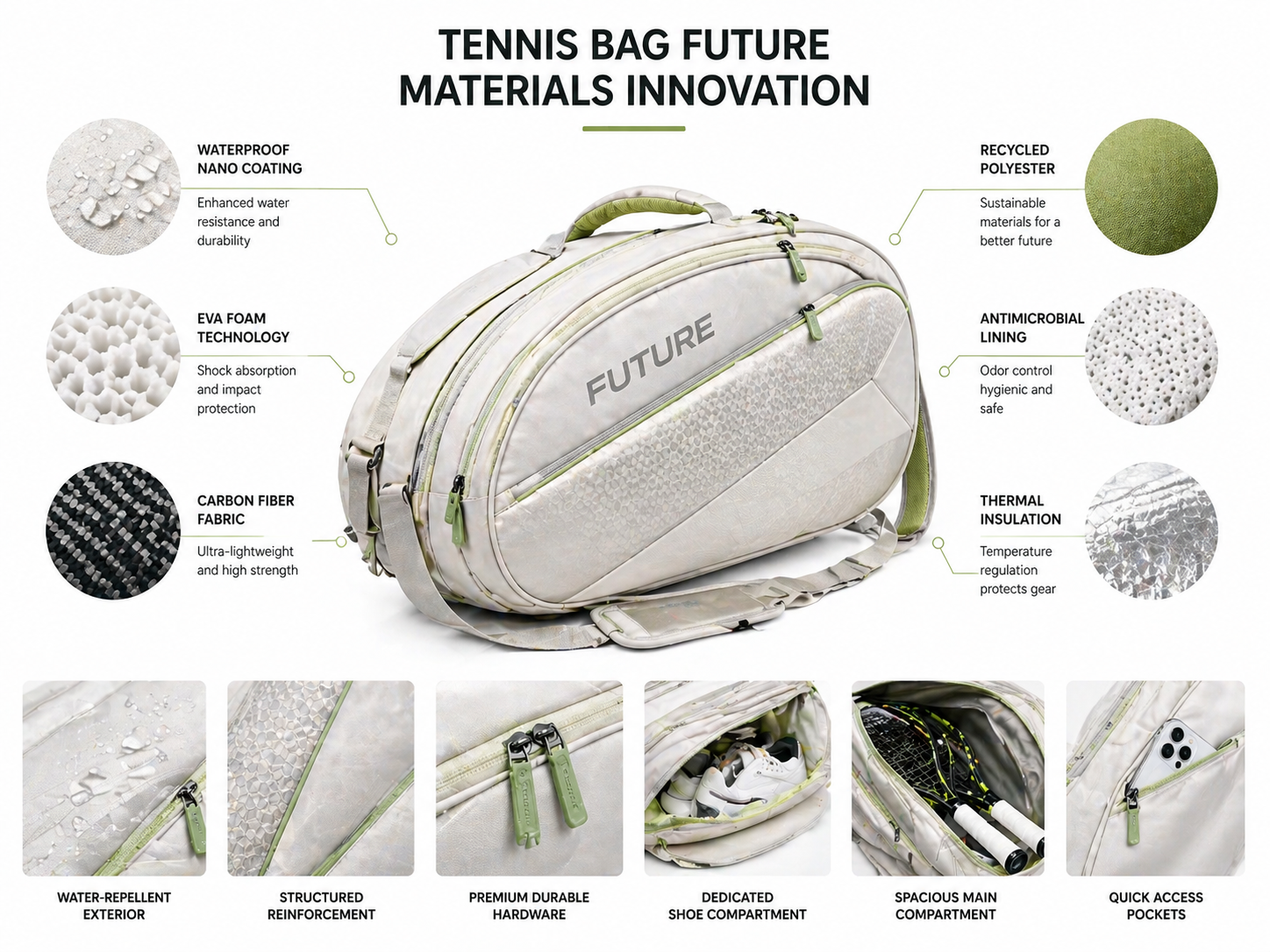
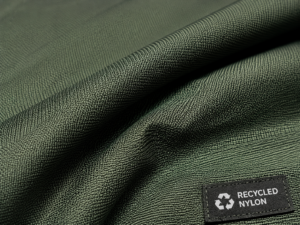
High-performance synthetic fabrics will continue to evolve, offering better abrasion resistance while reducing overall weight. At the same time, eco-friendly materials are gaining importance as brands respond to environmental concerns. Recycled polyester and low-impact coatings are becoming more widely adopted.
Functional materials are also advancing. Waterproof coatings are becoming more durable without adding stiffness, while thermal insulation materials are being optimized to protect rackets from temperature changes without increasing bulk.
Material selection will increasingly balance three factors: performance, cost, and sustainability. Brands that manage this balance effectively will be better positioned in both premium and mass markets.
What Is the Market Forecast for Tennis and Badminton Bags?
Market demand is expanding alongside the growth of racket sports.
The global market for tennis and badminton bags is expected to grow steadily, driven by increasing participation, lifestyle trends, and product innovation.
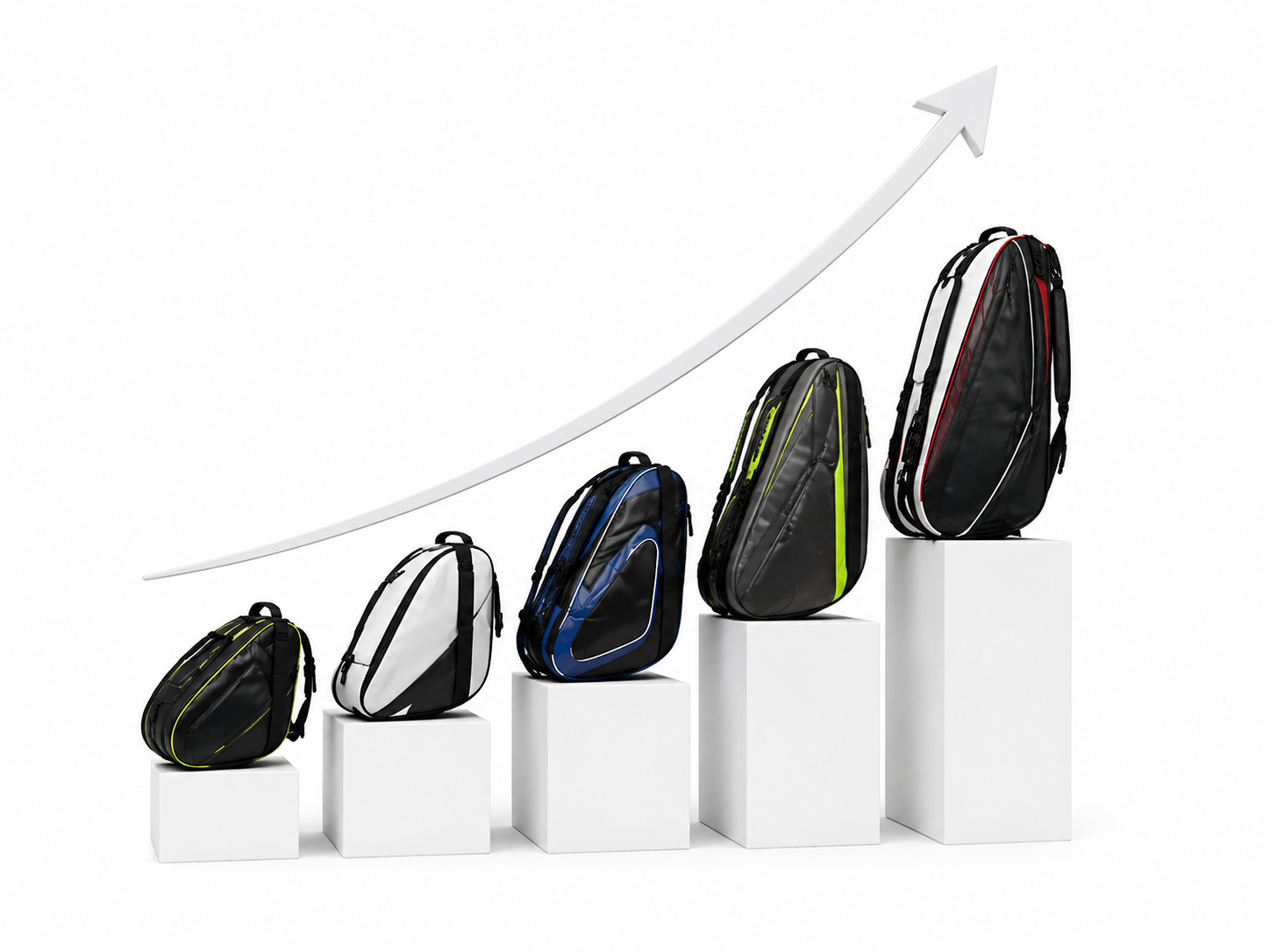
Tennis continues to maintain strong global popularity, while badminton is expanding rapidly in Asia and other emerging markets. This creates opportunities for brands to develop region-specific products tailored to different user preferences.
Another key factor is the rise of lifestyle sports. More consumers are engaging in casual play rather than competitive training. This drives demand for versatile products that combine sports functionality with everyday usability.
Market segmentation is becoming more defined:
| Segment | Demand Trend |
|---|---|
| Entry-level | Growing due to accessibility |
| Mid-range | Stable with functional upgrades |
| Premium | Expanding with innovation |
A reliable tennis bag supplier can help brands adapt to these trends by offering flexible production and development support.
How Are Emerging Technologies Changing Sports Bag Manufacturing?
Technology is transforming both product design and manufacturing processes.
Emerging technologies improve precision, efficiency, and consistency in sports bag production, enabling more complex and higher-quality designs.
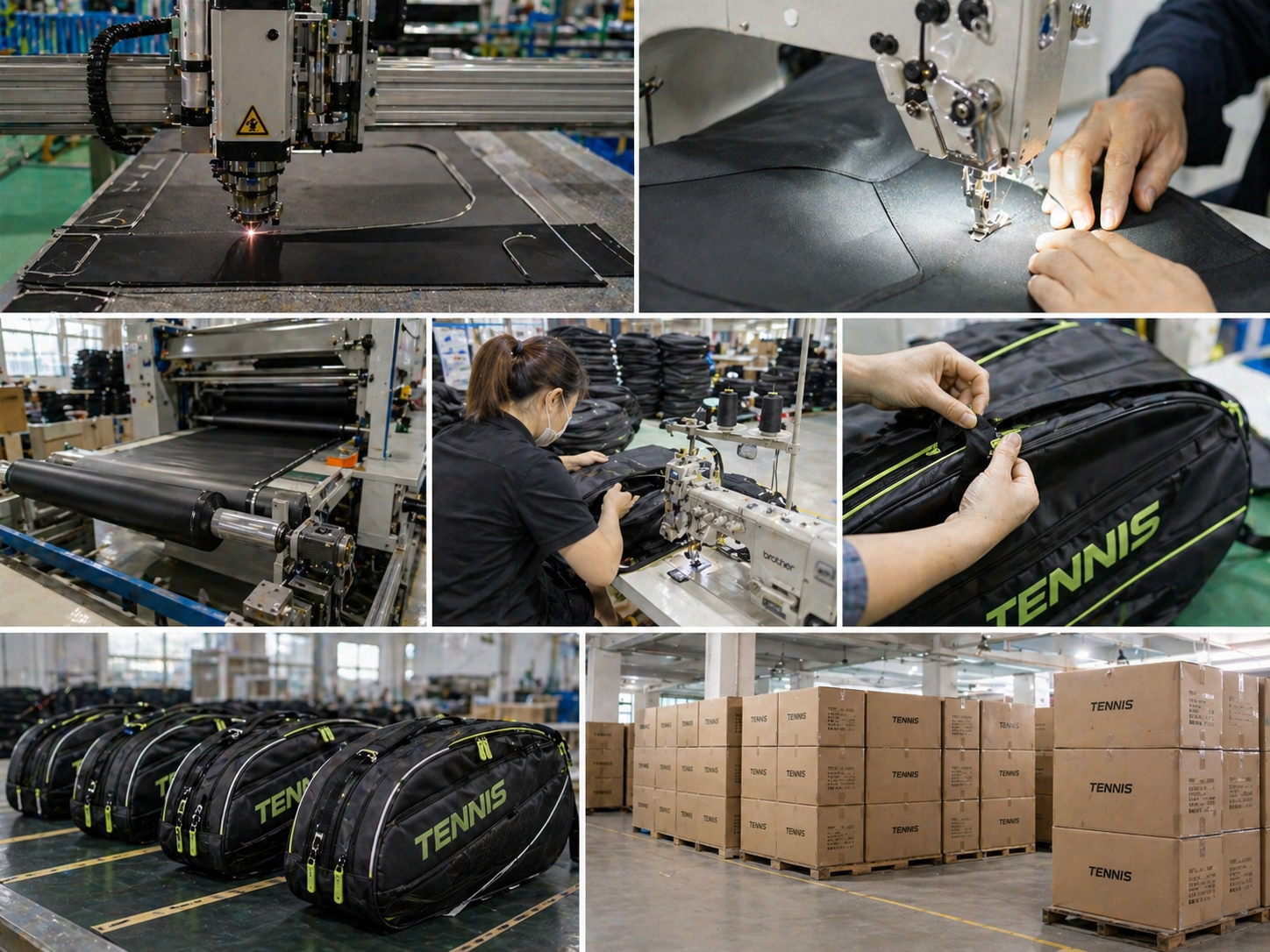
Digital design tools allow for faster prototyping and more accurate structural planning. This reduces development time and minimizes errors before production begins. At the same time, automated cutting and stitching processes improve consistency across large production volumes.
Material processing technologies are also advancing. New coating methods enhance water resistance and durability without increasing weight. Bonding techniques are being used alongside traditional stitching to improve strength and aesthetics.
These technologies enable manufacturers to produce more complex designs while maintaining efficiency and quality.
How Will Ergonomics and User Experience Evolve in Future Designs?
User experience is becoming a central focus in product development.
Future designs will prioritize ergonomic comfort, balanced weight distribution, and intuitive usability to enhance overall performance.
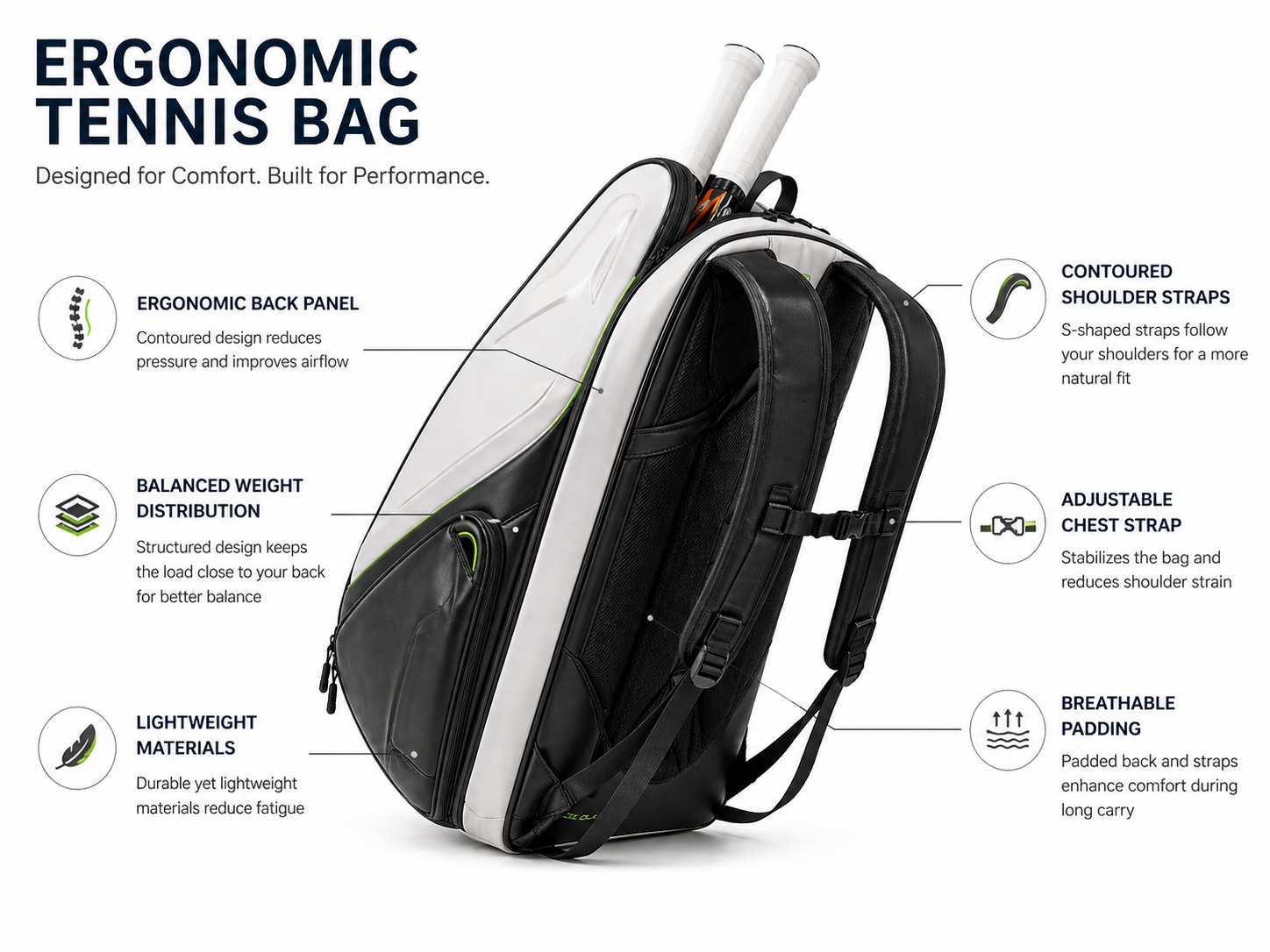
Players are increasingly sensitive to comfort, especially when carrying heavy equipment. Ergonomic improvements include better strap systems, breathable materials, and optimized weight positioning.
User experience also extends to ease of use. Features such as quick-access compartments, improved zipper systems, and intuitive layout design reduce friction during daily use.
As competition increases, user experience will become a key differentiator between similar products.
How Will Sustainability Influence Future Tennis Bag Development?
Sustainability is becoming an important factor in purchasing decisions.
Future tennis bags will incorporate eco-friendly materials, reduced waste production, and more efficient manufacturing processes.
Consumers are increasingly aware of environmental impact, and brands are responding by adopting sustainable practices. This includes using recycled materials, reducing packaging waste, and improving production efficiency.
Sustainability also affects product design. Durable products that last longer reduce the need for replacement, contributing to lower environmental impact.
Balancing sustainability with cost and performance remains a challenge, but it is becoming a necessary part of long-term brand strategy.
How Should Brands Prepare for Future Trends in Racket Sports Bags?
Adapting to future trends requires proactive strategy.
Brands should invest in material innovation, flexible design, and reliable manufacturing partnerships to stay competitive in a changing market.
Product development should focus on solving real user problems while integrating new technologies and materials. Flexibility is essential, as market trends continue to evolve rapidly.
Strong partnerships with manufacturers enable faster adaptation to changes in demand and technology. This includes access to new materials, advanced production methods, and consistent quality control.
Brands that align product strategy with future trends will be better positioned to capture market opportunities.
Conclusion
The future of tennis and badminton bags is driven by innovation in design, materials, and manufacturing. Brands that embrace these trends can create products that meet evolving user expectations and achieve sustainable growth.