In the global sports equipment market, demand for functional and durable carrying solutions continues to grow rapidly. Among the most commonly used products are tennis backpacks and general-purpose sports bags. Although both serve the fundamental purpose of transporting sports gear, their design philosophy, internal structure, material selection, and application scenarios are significantly different.
For athletes, coaches, sports clubs, and procurement teams, choosing the correct type of bag is not simply a matter of preference. It directly affects training efficiency, equipment protection, user comfort, and even brand presentation in team or commercial environments.
A tennis backpack is typically designed with sport-specific functionality, while a sports bag focuses on versatility and capacity. Understanding the structural and functional differences between these two categories helps buyers make more informed sourcing decisions, especially in OEM and wholesale purchasing environments.
This article provides a detailed comparison between tennis backpacks and sports bags from a structural, functional, and usage perspective, helping you identify which product is better suited for your target market.
Overview: What Is a Tennis Backpack?
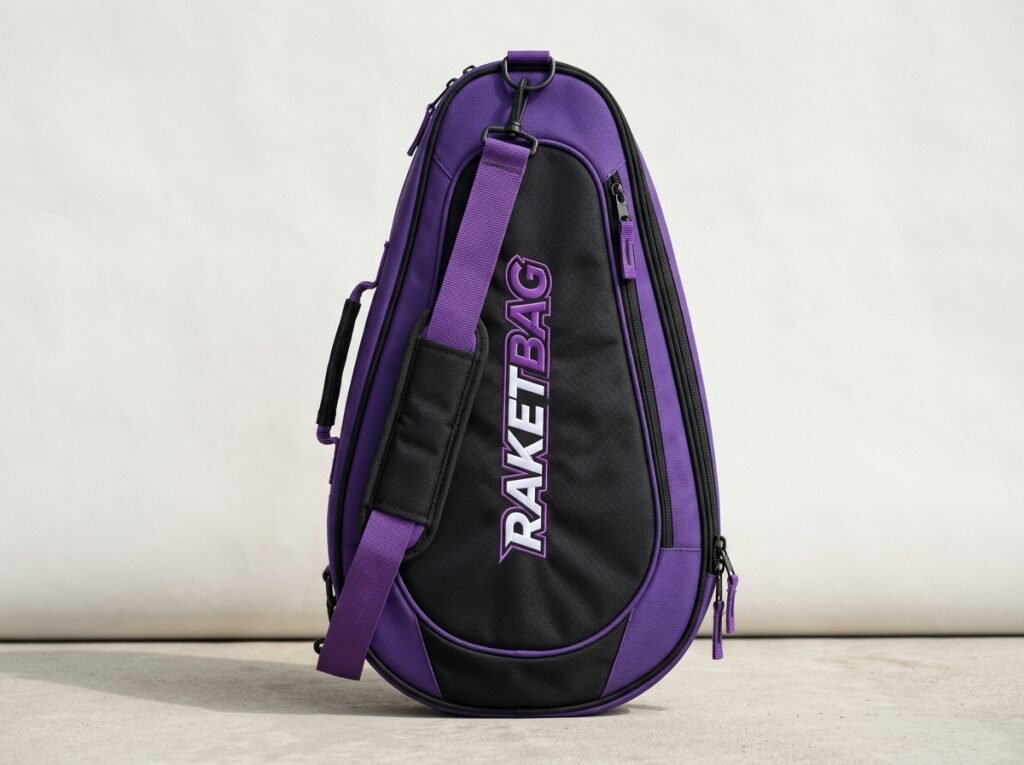
A tennis backpack is a specially designed sports bag created to meet the needs of tennis players. Unlike general sports bags, it is built around the shape, size, and protection requirements of tennis equipment.
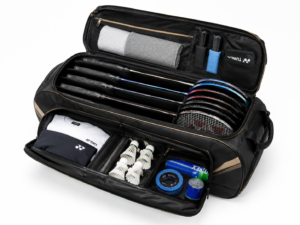
The most defining feature of a tennis backpack is its racket storage compartment, which is usually padded and structured to securely hold one or more tennis rackets. In addition, it often includes multiple internal divisions for shoes, clothing, balls, towels, and personal items.
Modern tennis backpacks are widely used by amateur players, professional athletes, and tennis clubs due to their compact design and high level of organization. They are also popular in training environments where mobility and efficiency are important.
Typical features include:
- Dedicated racket compartment with padding
- Shoe separation compartment
- Ventilated sections for sweaty clothing
- Ergonomic shoulder straps
- Lightweight yet durable construction
- Water-resistant materials
Overall, tennis backpacks are optimized for structured storage and sport-specific protection.
Overview: What Is a Sports Bag?
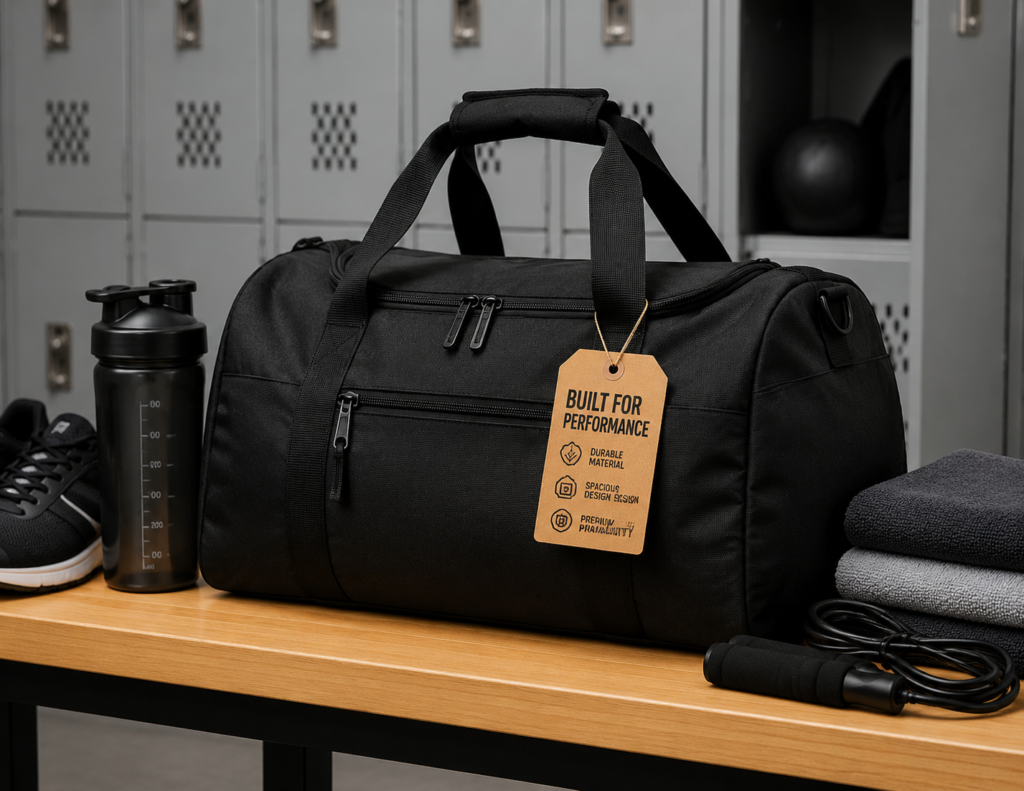
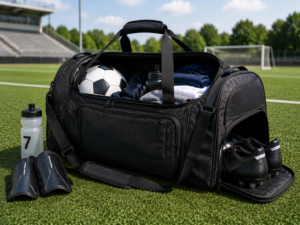
A sports bag is a broader category of carrying equipment designed for general athletic and fitness use. It is commonly available in duffel bag, gym bag, tote bag, or wheeled bag formats.
Unlike tennis backpacks, sports bags are not limited to one specific sport. Instead, they are designed for flexibility and larger storage capacity, making them suitable for a wide range of activities such as gym training, basketball, football, swimming, and travel.
Sports bags are widely used in both individual and team environments because they can accommodate different types of gear without requiring specialized compartments.
Common characteristics include:
- Large main storage compartment
- Flexible internal space layout
- Side pockets for accessories
- Shoulder strap or hand-carry options
- High capacity for bulky items
- Multi-sport usability
Sports bags prioritize versatility and volume over sport-specific structure.
Structural Design Differences
The most important distinction between a tennis backpack and a sports bag lies in their internal structure and compartment design.
Tennis Backpack Structure
Tennis backpacks are engineered with a segmented layout. Each section is designed for a specific type of equipment:
- Racket compartment (padded and reinforced)
- Shoe compartment (often ventilated or waterproof)
- Clothing storage area
- Small accessory pockets (grips, balls, keys, etc.)
This structured layout ensures that each item has a dedicated space, reducing friction and improving protection during transport.
Sports Bag Structure
Sports bags typically feature a large open main compartment. Some models may include internal dividers, but these are generally less specialized.
Instead of focusing on segmentation, sports bags prioritize:
- Maximum usable space
- Easy packing and unpacking
- Flexible storage configuration
- High load capacity
Structural Comparison Table
| Feature | Tennis Backpack | Sports Bag |
|---|---|---|
| Internal compartments | Highly structured | Minimal or flexible |
| Racket protection | Dedicated padded section | Not specialized |
| Storage flexibility | Medium | High |
| Organization level | High | Medium |
| Sport specificity | High | Low |
Functional Differences
Functionality plays a key role in determining how each bag is used in real-life scenarios.
Tennis Backpack Functionality
The main function of a tennis backpack is equipment protection and organization. It ensures that rackets and accessories remain secure during transportation.
Key functional benefits:
- Prevents racket damage
- Separates clean and dirty items
- Improves training efficiency
- Reduces clutter during travel
Sports Bag Functionality
Sports bags focus on capacity and versatility. They are designed to handle different sports and lifestyle needs.
Key functional benefits:
- Suitable for multiple sports
- High storage volume
- Easy to pack large items
- Flexible usage scenarios
Market Positioning and Business Value
The two products also differ in commercial positioning.
Tennis backpacks are generally positioned in the mid-to-high-end sports segment. They are associated with sport-specific branding and higher perceived value due to their functional specialization.
Sports bags operate in a broader mass market. They are widely used in retail, promotional gifting, school programs, and team sports supply chains.
For a sports bag manufacturer, both categories are important. Tennis backpacks help build brand specialization, while sports bags support volume-based production strategies.
Choosing the Right Product for Your Market
The decision between tennis backpacks and sports bags depends on target users and product positioning.
Tennis backpacks are more suitable when the focus is:
- Sport-specific functionality
- Professional or club-level users
- Equipment protection and organization
- Premium product positioning
Sports bags are more suitable when the focus is:
- Multi-sport usage
- Mass consumer markets
- Cost efficiency and bulk orders
- Flexible product applications
Understanding these differences helps brands reduce product mismatch and improve customer satisfaction.
Conclusion
Although tennis backpacks and sports bags share the same fundamental purpose of carrying sports equipment, their design logic and usage scenarios are fundamentally different.
A tennis backpack is built around structured organization, sport-specific functionality, and equipment protection. A sports bag is designed for versatility, capacity, and broad usability across multiple sports.
For brands, distributors, and sourcing teams working with a sports bag manufacturer, selecting the correct structure is not only a design decision but also a strategic business choice. It directly impacts product positioning, customer experience, and long-term market competitiveness.
Choosing the right bag type ensures better functionality for end users and stronger commercial performance for brands in the global sports equipment market.