A high-quality hiking backpack should provide durability, comfort, weather protection, smart storage, and reliable weight support. The best hiking backpacks combine strong materials, ergonomic design, functional compartments, and quality construction to help users carry equipment comfortably during outdoor activities.
A hiking backpack is more than a storage product. It is an important piece of outdoor equipment that affects comfort, safety, and overall travel experience. Whether customers are hiking for a few hours or exploring for several days, they expect a backpack that can handle different environments while remaining comfortable to carry.
For brands developing hiking backpacks, product success depends on understanding real outdoor needs. The right materials, structure, and functions can create a product that stands out in a competitive market.
What Makes a Hiking Backpack High Quality?
A high-quality hiking backpack is defined by its ability to balance strength, comfort, and practical functions. It should protect stored items, support heavy loads, and remain comfortable during long periods of use.
Essential Features of a Quality Hiking Backpack
| Feature | Importance |
|---|---|
| Durable materials | Improves lifespan and resistance |
| Ergonomic support | Reduces carrying fatigue |
| Smart storage | Keeps equipment organized |
| Weather protection | Protects items in changing conditions |
| Strong construction | Maintains performance over time |
A good hiking backpack is created through careful design decisions. Every part, including fabric, straps, zippers, padding, and compartments, affects the final user experience.
Many customers judge a backpack by how it performs after repeated use. A bag that looks attractive but fails under outdoor conditions can quickly damage brand reputation.
For manufacturers, quality means more than using strong fabric. It requires understanding how different components work together and creating a reliable product system.
How Do Materials Affect Hiking Backpack Quality?
Materials are one of the most important factors in hiking backpack performance. Outdoor environments can expose backpacks to friction, moisture, dirt, and heavy loads, so fabric selection directly affects durability.
Common Hiking Backpack Materials
| Material | Advantages |
|---|---|
| Nylon | Lightweight, strong, and abrasion resistant |
| Polyester | Durable, stable, and cost-effective |
| High-density fabric | Provides stronger protection |
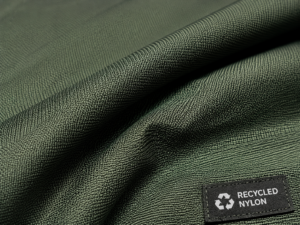
| Recycled fabric | Supports sustainable product development |
Nylon is widely used in premium hiking backpacks because it provides excellent strength while maintaining reasonable weight. Polyester is also popular because it offers reliable durability and good customization options.
However, material selection is not only about choosing the strongest fabric. A heavier material may improve durability but increase carrying fatigue. A lighter material may improve comfort but require stronger construction methods.
Professional backpack development requires balancing these factors. Experienced manufacturers evaluate fabric density, coating options, lining materials, and reinforcement areas to create products that match different market needs.
For brands, working with a manufacturer that understands outdoor products helps reduce design mistakes. The right material recommendations can improve product performance while controlling unnecessary costs.
Why Is Carrying Comfort Important in Hiking Backpack Design?
Carrying comfort is one of the most important features of a hiking backpack because users often wear the bag for several hours. Poor weight distribution can create pressure on the shoulders, back, and waist.
Important Comfort Features
| Design Feature | Function |
|---|---|
| Padded shoulder straps | Reduces shoulder pressure |
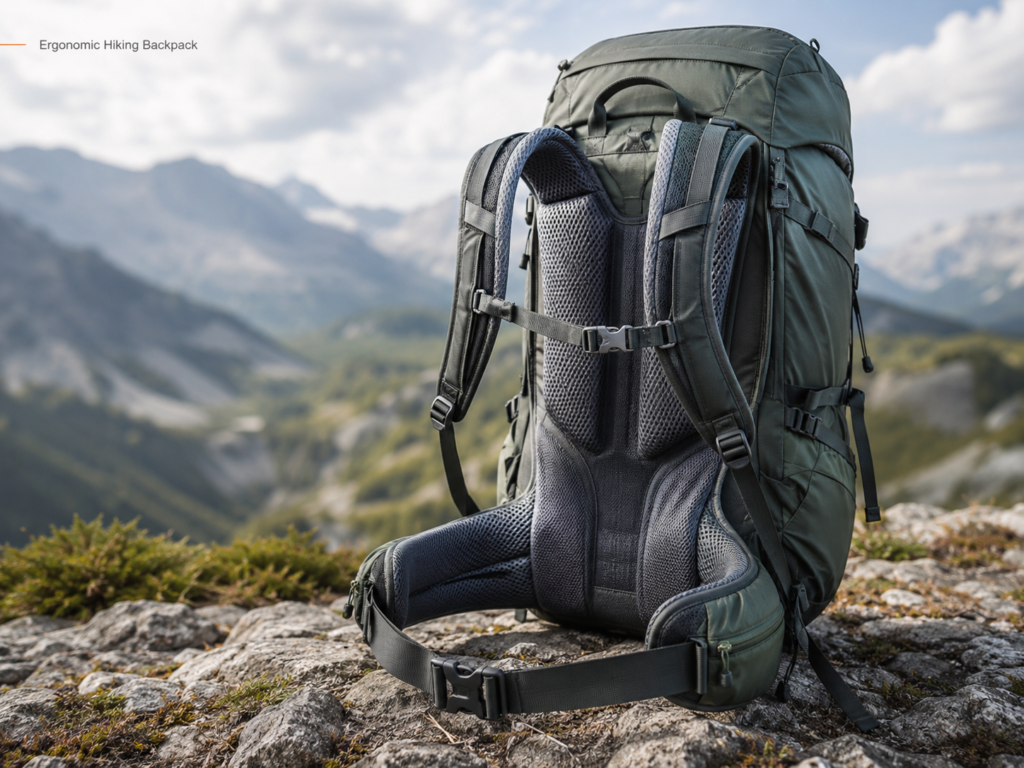
| Hip belt | Transfers weight to the hips |
| Chest strap | Improves stability |
| Breathable back panel | Reduces heat buildup |
| Adjustable system | Fits different body shapes |
A professional hiking backpack should allow users to adjust the carrying system based on their body shape and load requirements.
For lightweight day hikes, simple shoulder straps may be enough. For longer trips with heavier equipment, a stronger support system with a hip belt and adjustable frame structure becomes more important.
For brands developing outdoor backpacks, comfort should be tested during the sample stage. Small design changes, such as improving strap angles or adjusting padding thickness, can create a significant difference in user experience.
A factory with strong design and development ability can help optimize these details before mass production. This improves product reliability and reduces customer complaints after launch.
How Does Storage Design Improve Hiking Backpack Function?
A high-quality hiking backpack needs smart storage because outdoor users often carry many different items. Good organization allows users to access equipment quickly without removing everything from the bag.
Useful Storage Features
| Storage Feature | Benefit |
|---|---|
| Main compartment | Stores larger equipment |
| Side pockets | Provides quick access |
| Water bottle pockets | Improves convenience |
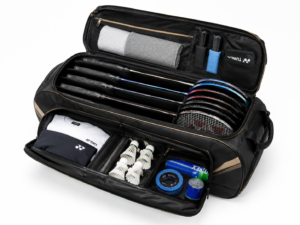
| Separate compartments | Organizes different items |
| External attachment points | Carries additional gear |
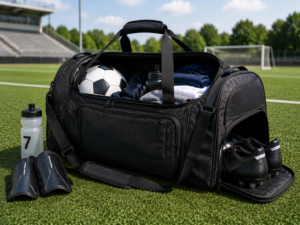
Different hiking activities require different storage solutions. A short hiking backpack may focus on lightweight organization, while a multi-day backpack needs larger capacity and more flexible compartments.
Modern customers also expect backpacks to support different lifestyles. A hiking backpack may be used for outdoor trips, travel, camping, and daily activities.
For brands, this creates opportunities to develop multifunctional products. A well-designed backpack can attract multiple customer groups when it combines outdoor performance with practical everyday features.
Professional OEM and ODM manufacturers can support this process by helping brands improve compartment layouts, adjust structures, and create customized solutions.
Why Are Weather-Resistant Features Important for Hiking Backpacks?
Outdoor environments are unpredictable. Rain, dust, and changing weather conditions can affect backpack performance. Weather-resistant features help protect personal items and improve user confidence.
Common Weather Protection Features
| Feature | Purpose |
|---|---|
| Water-resistant fabric | Reduces moisture penetration |
| Protective coating | Improves surface protection |
| Rain cover | Provides extra protection |
| Covered zippers | Helps prevent water entry |
A hiking backpack does not always need to be completely waterproof, but it should provide reasonable protection for outdoor conditions.
The quality of weather protection depends on the complete design. Fabric treatment, zipper selection, seam construction, and overall structure all influence performance.
For manufacturers, these details require careful production control. A small weakness in stitching or zipper installation can reduce the effectiveness of weather-resistant features.
Brands that focus on outdoor customers need reliable production standards. Stable quality control ensures that every product performs consistently when customers use it in real environments.
What Construction Details Define a Premium Hiking Backpack?
The quality of a hiking backpack depends heavily on manufacturing details. Strong materials alone cannot create a reliable product without proper construction methods.
Important Manufacturing Details
| Detail | Quality Impact |
|---|---|
| Reinforced stitching | Improves strength |
| Strong zippers | Improves daily reliability |
| Durable buckles | Supports adjustment systems |
| Reinforced bottom | Handles wear and heavy loads |
A premium hiking backpack requires careful attention throughout the manufacturing process. Each component must be correctly assembled and tested.
For brands, this is where experienced manufacturers create additional value. A professional factory can provide design feedback, improve samples, manage production quality, and ensure consistency between prototypes and final products.
The goal is not simply to produce a backpack. The goal is to create a product that performs well, receives positive customer feedback, and supports long-term brand growth.
How Can Brands Develop Competitive Hiking Backpacks?
Developing a competitive hiking backpack requires a clear understanding of target users, market positioning, and product goals. Different customers have different expectations.
Product Development Considerations
| Area | Key Question |
|---|---|
| Customer group | Who will use the backpack? |
| Activity type | What environment will it support? |
| Design style | Technical or lifestyle focused? |
| Price level | What materials and functions fit? |
A successful hiking backpack combines performance with market appeal. Customers want durability, but they also care about appearance, comfort, and convenience.
For companies developing customized hiking backpacks, choosing the right manufacturing partner is important. A factory with OEM and ODM experience can support product design, material selection, sampling, and large-scale production.
From outdoor backpacks and hiking bags to travel packs and sports bags, professional manufacturing support helps brands create products that match customer expectations.
Conclusion
A high-quality hiking backpack requires the right combination of durable materials, comfortable carrying systems, practical storage, weather protection, and reliable construction.
For brands, creating a successful hiking backpack is not only about producing a strong bag. It requires understanding outdoor users, improving product details, and maintaining consistent quality from design to production.
An experienced Backpack manufacturing partner can help transform ideas into market-ready products through professional design support, material recommendations, customization options, and quality management. With the growing demand for outdoor activities and functional gear, well-designed hiking backpacks provide strong opportunities for brands that focus on performance, comfort, and long-term value.