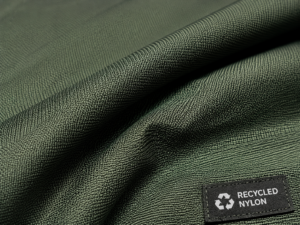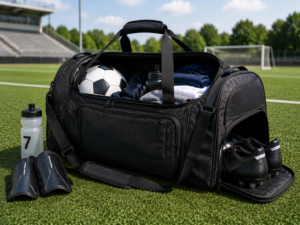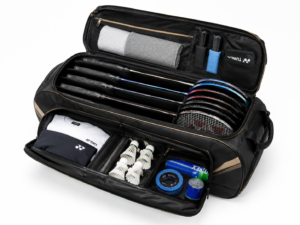
When choosing a durable bag, materials play a major role in overall performance and lifespan. Premium materials such as ballistic nylon and full-grain leather are widely recognized for their excellent strength, abrasion resistance, and long-term durability. These materials help bags withstand daily use, heavy loads, and demanding travel conditions.
Durability is also one of the most important factors consumers consider when purchasing a bag. According to industry surveys, over 70% of buyers rank durability as a top priority when selecting a backpack or travel bag.
Today, common materials used in bag manufacturing include plastic-based fabrics, textiles, leather, nylon, and polyester. Among them, high-density nylon and reinforced textile materials remain especially popular because they offer a strong balance of durability, lightweight performance, and cost efficiency.
Choosing high-quality materials not only improves bag longevity but also provides better protection for personal belongings during everyday use and travel.
Key Takeaways
- Ballistic nylon is one of the strongest bag materials available. It offers excellent tear resistance and abrasion durability, making it ideal for heavy daily use and travel bags.
- Full-grain leather is known for its premium durability and long lifespan. With proper care, high-quality leather bags can last for decades while developing a unique natural texture over time.
- Cordura nylon combines high strength with flexibility and wear resistance. It is widely used in outdoor backpacks, tactical bags, and performance travel gear.
- Polyester remains popular because it is lightweight, water-resistant, and resistant to UV damage, making it suitable for casual bags and everyday outdoor use.
- When choosing a durable bag, always pay attention to fabric density, stitching quality, zipper construction, and reinforced stress points. These details greatly affect long-term bag performance and lifespan.
Materials for the Bag
When you want the most durable materials for the bag, you have many strong choices. Each material has special features that help your bag last longer and stay protected from daily wear and damage. Here are some of the most reliable materials used in modern bags and backpacks.
Ballistic Nylon
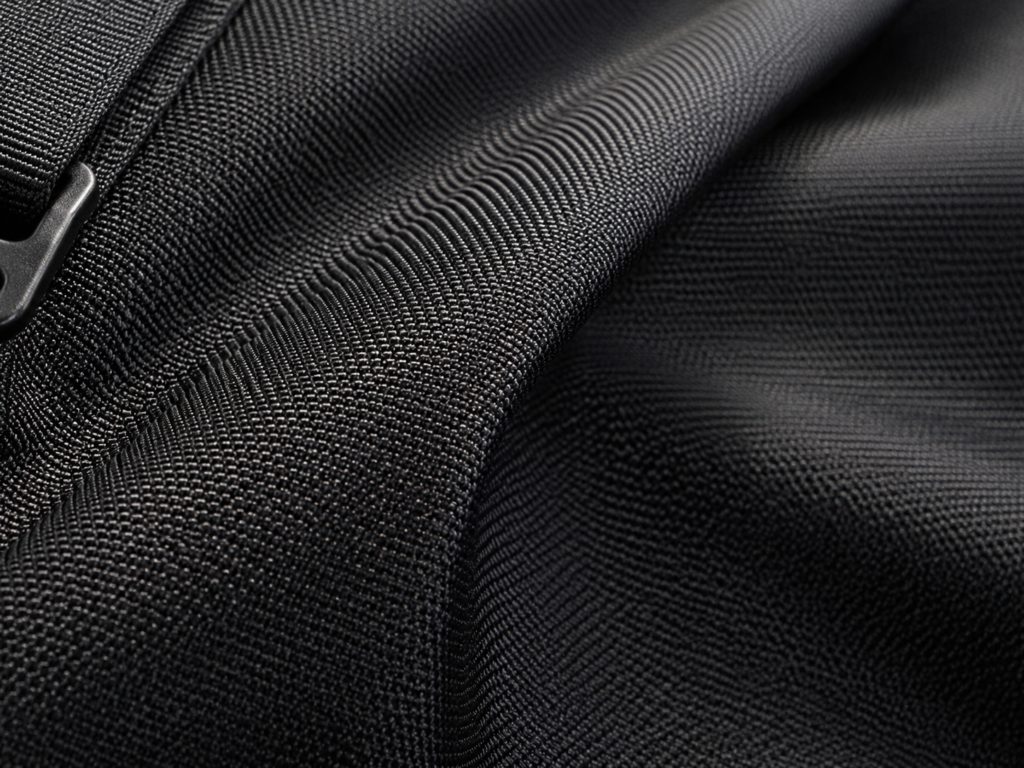
Ballistic nylon is one of the strongest materials for the bag. It has high tensile strength, which means it can handle heavy loads and constant pulling without tearing easily. The tightly woven synthetic fibers give ballistic nylon excellent durability and abrasion resistance.
This material is widely used in:
- Travel bags
- Tennis bags
- Tactical backpacks
- Outdoor gear bags
Ballistic nylon also performs well in high-pressure use environments, making it a popular choice for premium and heavy-duty bags.
Ballistic nylon performs extremely well in durability testing. It resists tearing, abrasion, and heavy wear better than many standard synthetic fabrics, making it an excellent choice for bags used in demanding daily environments.
Tensile Strength Table:
| Fabric | Tensile Strength (MPa) |
|---|---|
| Ballistic Nylon | 12–16 |
Abrasion Resistance Table:
| Fabric Type | Abrasion Resistance Level | Notes |
|---|---|---|
| Ballistic Nylon | High | Tough, durable, ideal for heavy-duty use. |
Cordura Nylon
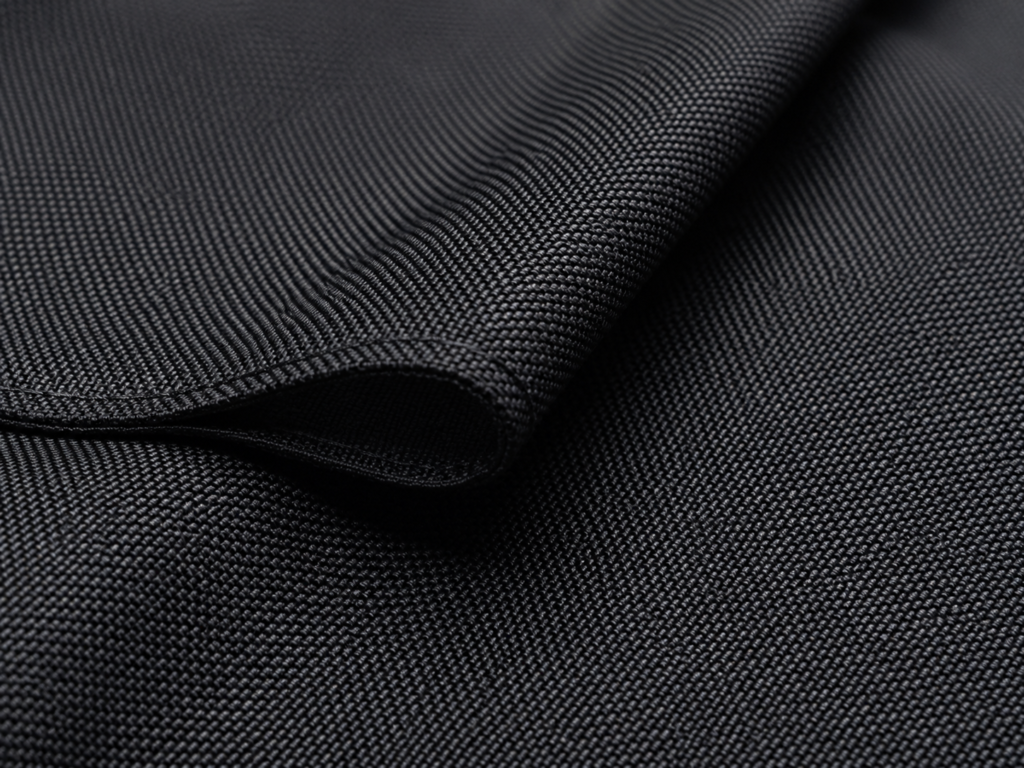
Cordura nylon is another highly durable material widely used in modern bags and backpacks. It offers excellent abrasion resistance and tear strength, making it ideal for outdoor, travel, sports, and heavy-duty bags.
One of the biggest advantages of Cordura nylon is its textured fiber construction, which helps reduce surface wear caused by friction and repeated use. The material is also available in different denier strengths, allowing manufacturers to choose thicker and stronger fabric options for higher durability needs.
Compared with leather, Cordura nylon is lighter, more flexible, and much easier to maintain. It performs especially well in rugged environments where bags experience constant movement, abrasion, and outdoor exposure.
Tensile Strength Table
| Fabric | Tensile Strength (MPa) |
|---|---|
| Cordura® Nylon | 10–14 |
Abrasion Resistance Table
| Fabric Type | Abrasion Resistance Level | Notes |
|---|---|---|
| Cordura Nylon | High | Extremely durable and designed for rugged long-term use |
Cordura nylon is specifically engineered for high-wear environments and performs very well in outdoor and travel applications. While ballistic nylon generally offers slightly better tear resistance, Cordura nylon remains one of the most reliable and durable materials used in premium bags today.
Top-Grain Leather
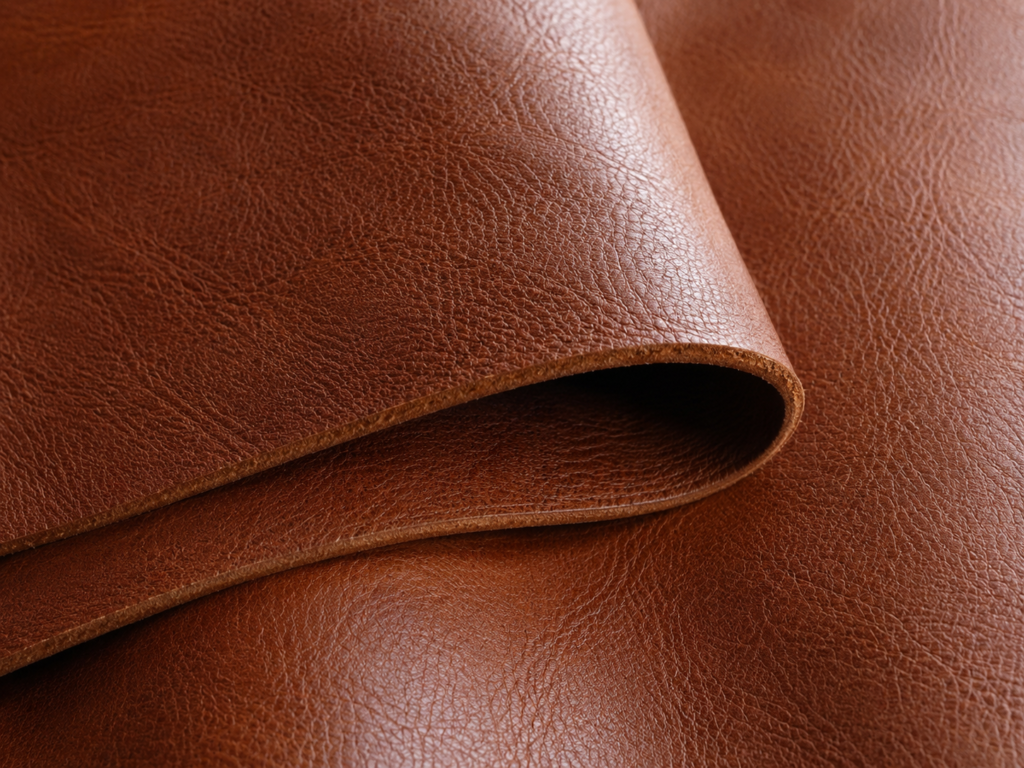
Top-grain leather is another common material for the bag. It has a smoother surface because makers sand away natural marks. This makes top-grain leather not as strong as full-grain leather, but it is still pretty tough.
- Top-grain leather can be used every day, but it needs to be kept safe from water and heat.
- If the top layer wears off, the leather can get damaged more easily.
Durability Table:
| Type of Leather | Durability Characteristics |
|---|---|
| Top-Grain Leather | Sanded to remove flaws, less durable than full-grain. |
Abrasion Resistance Table:
| Fabric Type | Abrasion Resistance Level | Notes |
|---|---|---|
| Top-Grain Leather | Moderate | More processed, less durable than full-grain. |
- If top-grain leather gets wet, dry it with a towel and let it dry in the air.
- Do not use heat or sunlight, or it might crack.
Polyester
Polyester is a man-made material used in many bags. It is pretty strong, especially if it has a higher denier rating. Polyester does not soak up water and can handle sunlight, so it is good for outdoor bags. You can pick from types like 300D, 600D, 900D, and 1680D, depending on what you need.
Durability Table:
| Polyester Type | Description | Durability Rating |
|---|---|---|
| 300D Polyester | Lightweight and economical, suitable for casual bags and lightweight backpacks. | Moderate |
| 600D Polyester | A mid-weight option that offers good durability, commonly used for backpacks and duffel bags. | Good |
| 900D Polyester | Heavier and more robust, ideal for rugged outdoor gear and heavy-duty bags. | High |
| 1680D Polyester | Extremely durable and water-resistant, perfect for premium bags and cases. | Very High |
Tensile Strength Table:
| Fabric | Tensile Strength (MPa) |
|---|---|
| High-Tenacity Polyester | 8–10 |
Abrasion Resistance Table:
| Fabric Type | Abrasion Resistance Level | Notes |
|---|---|---|
| Polyester | Low to Moderate | Colorfast, moisture-resistant, affordable. |
Canvas
Canvas is a classic and widely used material for bags. It offers a natural texture, strong structure, and eco-friendly appeal, making it popular for casual bags, travel bags, tote bags, and outdoor backpacks.
Heavy-duty canvas provides good durability and a sturdy feel, but standard untreated cotton canvas absorbs water more easily than synthetic materials like nylon or polyester. For better weather protection, many manufacturers use coated or waxed canvas to improve water resistance and long-term performance.
Tensile Strength Table
| Fabric | Tensile Strength (MPa) |
|---|---|
| Heavy-Duty Canvas | 6–9 |
Abrasion Resistance Table
| Fabric Type | Abrasion Resistance Level | Notes |
|---|---|---|
| Canvas | Low to Moderate | Eco-friendly with a natural texture, but untreated canvas absorbs moisture easily |
Water Resistance Table
| Material Type | Water Resistance Level |
|---|---|
| Untreated Cotton Canvas | Poor (Highly Absorbent) |
| Nylon Canvas (Coated) | Excellent |
| Waxed Canvas | Moderate to Good |
| PU-Coated Canvas | High |
| PVC-Coated Nylon | Very High |
Canvas is a good choice if you prefer a more natural appearance and classic bag style. For better waterproof performance and durability, coated canvas or waxed canvas are usually the better options for outdoor and travel use.
Material Strengths
Different bag materials offer different advantages in durability, maintenance, and long-term performance. Understanding these strengths helps you choose the right material based on your travel habits, outdoor activities, and daily usage needs.
Wear Resistance
Wear resistance is one of the most important factors when evaluating durable bag materials. A high-wear-resistant fabric helps protect bags from friction, scratches, abrasion, and long-term daily use.
Some of the strongest wear-resistant materials include:
- Ballistic nylon — extremely durable with excellent abrasion resistance
- Cordura nylon — engineered for rugged outdoor and travel use
- Kevlar — highly resistant to friction, tearing, and heat
- Denim — durable enough for heavy everyday wear
Both leather and nylon also perform very well in durability testing. Leather develops a natural aged texture over time, while nylon maintains its structure and flexibility under repeated use.
However, synthetic materials like nylon may eventually show signs of fading or surface pilling after long exposure to sunlight and rough surfaces.
Longevity
If long-term lifespan is your priority, material quality becomes extremely important.
Full-grain leather is widely considered one of the longest-lasting bag materials available. With proper care and conditioning, leather bags can last for decades and often develop a unique natural patina that improves appearance over time.
Nylon bags also provide excellent durability, especially when made from:
- Ballistic nylon
- Cordura nylon
- High-density woven fabrics
While leather generally lasts longer, premium nylon bags offer better lightweight performance and require less maintenance during daily use.
Maintenance
Different materials also require different levels of care.
Ballistic nylon and Cordura nylon are relatively easy to maintain. Most dirt and stains can be cleaned using mild soap and a soft cloth. These materials also resist moisture, UV exposure, and surface staining better than many natural fabrics.
Leather requires more maintenance to preserve its appearance and flexibility. Regular conditioning and proper storage help prevent:
- Dry cracking
- Fading
- Water damage
- Surface stains
Canvas bags are also popular, but untreated canvas tends to absorb moisture, dirt, and odors more easily. Coated or waxed canvas offers better protection and easier maintenance for outdoor and travel applications.
Choosing the right material depends on how often you use your bag, the environments you travel in, and how much maintenance you are willing to do over time.
Choosing Materials
Different bags require different materials depending on how and where they are used. Travel bags, everyday bags, and outdoor backpacks all need different levels of durability, weight, waterproof performance, and maintenance.
Travel Bags
Travel bags need to handle heavy loads, rough transportation, and frequent movement. The best travel bag materials combine durability with lightweight performance.
| Material | Durability Description | Weight Consideration |
|---|---|---|
| Polycarbonate | Strong impact resistance and flexible hard-shell protection | Lightweight and durable |
| Aluminum | Extremely strong and highly protective | Heavier than plastic materials |
| Ballistic Nylon | Excellent abrasion resistance and long-term durability | Lightweight and ideal for soft travel bags |
Polycarbonate is popular for hard-shell luggage because it offers strong protection without adding excessive weight. Aluminum provides premium protection and structural strength but is usually heavier.
For soft travel bags, ballistic nylon remains one of the most reliable choices because it offers excellent tear resistance, flexibility, and durability during frequent travel.
Tip: If you travel frequently, ballistic nylon is one of the best choices because it combines lightweight performance with excellent abrasion and tear resistance.
Everyday Bags
Everyday bags should balance durability, appearance, comfort, and practicality. Materials commonly used for school bags, office bags, and casual backpacks include leather, suede, polyester, and nylon.
- Suede offers a soft texture and stylish appearance
- Leather provides long-term durability and premium aesthetics
- Polyester is lightweight and water-resistant
- Nylon offers flexibility and wear resistance
Leather remains one of the most durable options for everyday bags because it maintains its structure well and develops a natural patina over time. Compared with polyester, genuine leather often lasts longer and maintains a more premium appearance after years of use.
Note: Leather is a popular choice for everyday bags because it combines durability, premium appearance, and long-term performance.
Outdoor Bags
Outdoor bags must handle rain, abrasion, rough terrain, and changing weather conditions. Waterproof performance and wear resistance are especially important for hiking, camping, and outdoor travel.
| Material | Properties | Suitability for Outdoor Use |
|---|---|---|
| RPET | Eco-friendly, lightweight, water-resistant | Good for sustainable waterproof bags |
| TPU | Highly durable, waterproof, abrasion-resistant | Excellent for waterproof outdoor bags |
| Nylon | Lightweight, strong, fast-drying | Widely used for hiking and outdoor backpacks |
Cordura nylon is especially popular for outdoor applications because it provides stronger abrasion resistance and better durability than traditional canvas materials.
Canvas offers a classic appearance but generally absorbs more moisture and requires additional maintenance in wet conditions.
If you need a bag for hiking, travel, camping, or outdoor sports, nylon and TPU materials usually provide the best combination of durability and waterproof protection.
Final Thoughts
Experts widely consider full-grain leather one of the most durable materials used in premium bags because of its exceptional lifespan and natural aging characteristics.
At the same time, ballistic nylon, Cordura nylon, polyester, and TPU-coated fabrics remain highly popular because they provide:
- Excellent durability
- Lightweight performance
- Water resistance
- Lower maintenance requirements
- Better cost efficiency
When choosing a durable bag, always look for:
- Tightly woven fabrics
- Reinforced stitching
- Strong zipper systems
- High-quality hardware
- Waterproof coatings when needed
The right material depends on your usage needs, environment, and preferred balance between durability, weight, style, and maintenance.