Custom badminton bags have become a key product category for sports brands aiming to differentiate in a competitive market. Instead of relying on standard designs, brands are increasingly using OEM customization to control product performance, structure, and visual identity.
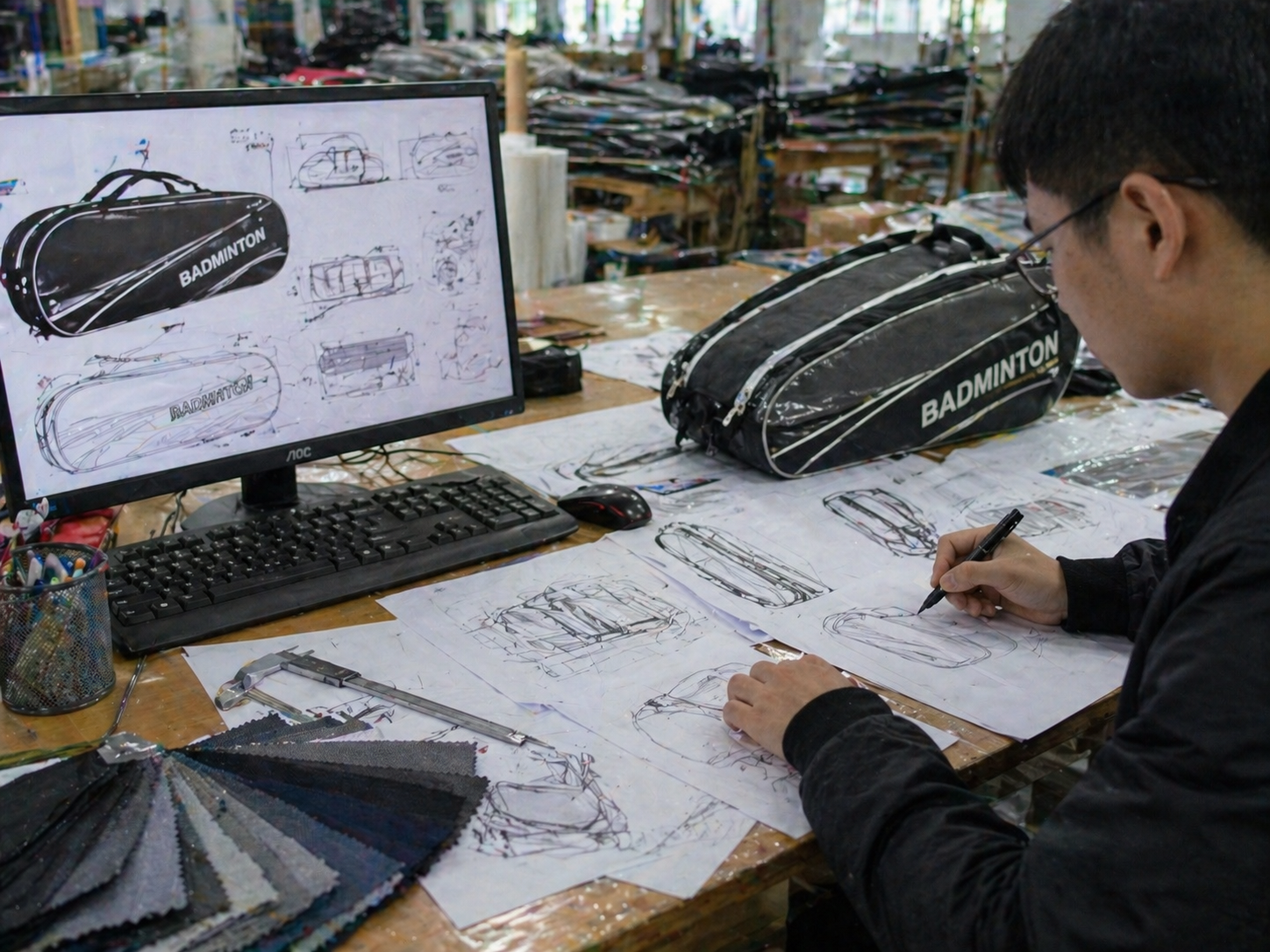
Custom badminton bags allow brands to design products around real player needs, improve functionality, and build stronger brand positioning through unique features and consistent quality.
A clear understanding of development processes, customization options, and common risks helps brands execute projects more efficiently.
What Is the Custom Badminton Bag Development Process for Brands?
A structured development process is essential for successful outcomes.
The process includes concept definition, design planning, sampling, testing, and mass production, with each stage focused on aligning product performance with market needs.
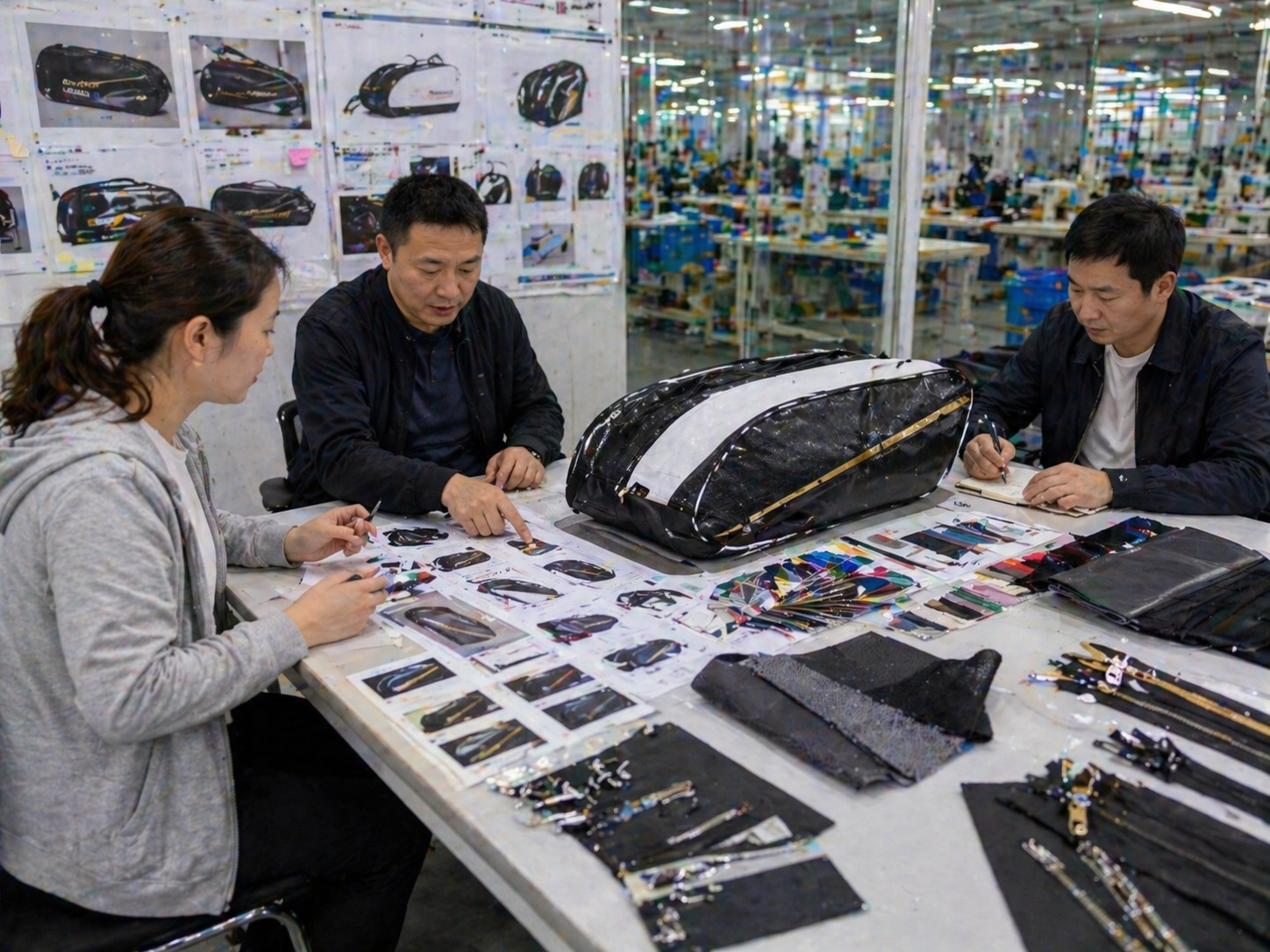
The first step is concept definition. Brands must identify target users, usage scenarios, and price positioning. This determines the overall product direction, including size, capacity, and feature requirements.
Next comes design planning. This involves defining bag structure, selecting materials, and designing compartment layouts. At this stage, common market issues—such as insufficient capacity or poor durability—should be addressed early.
Sampling follows, where prototypes are created and evaluated. This stage often requires multiple iterations to refine details such as zipper performance, compartment proportions, and material feel.
A simplified process overview:
| Stage | Focus |
|---|---|
| Concept | Market positioning |
| Design | Structure and materials |
| Sampling | Testing and refinement |
| Production | Quality and consistency |
Brands working with a professional badminton bag manufacturer can streamline this process and reduce development risks.
What Customization Options Matter Most in Sports Bag OEM Projects?
Customization defines product differentiation.
Key customization areas include materials, structure, compartments, branding elements, and functional features tailored to specific user needs.
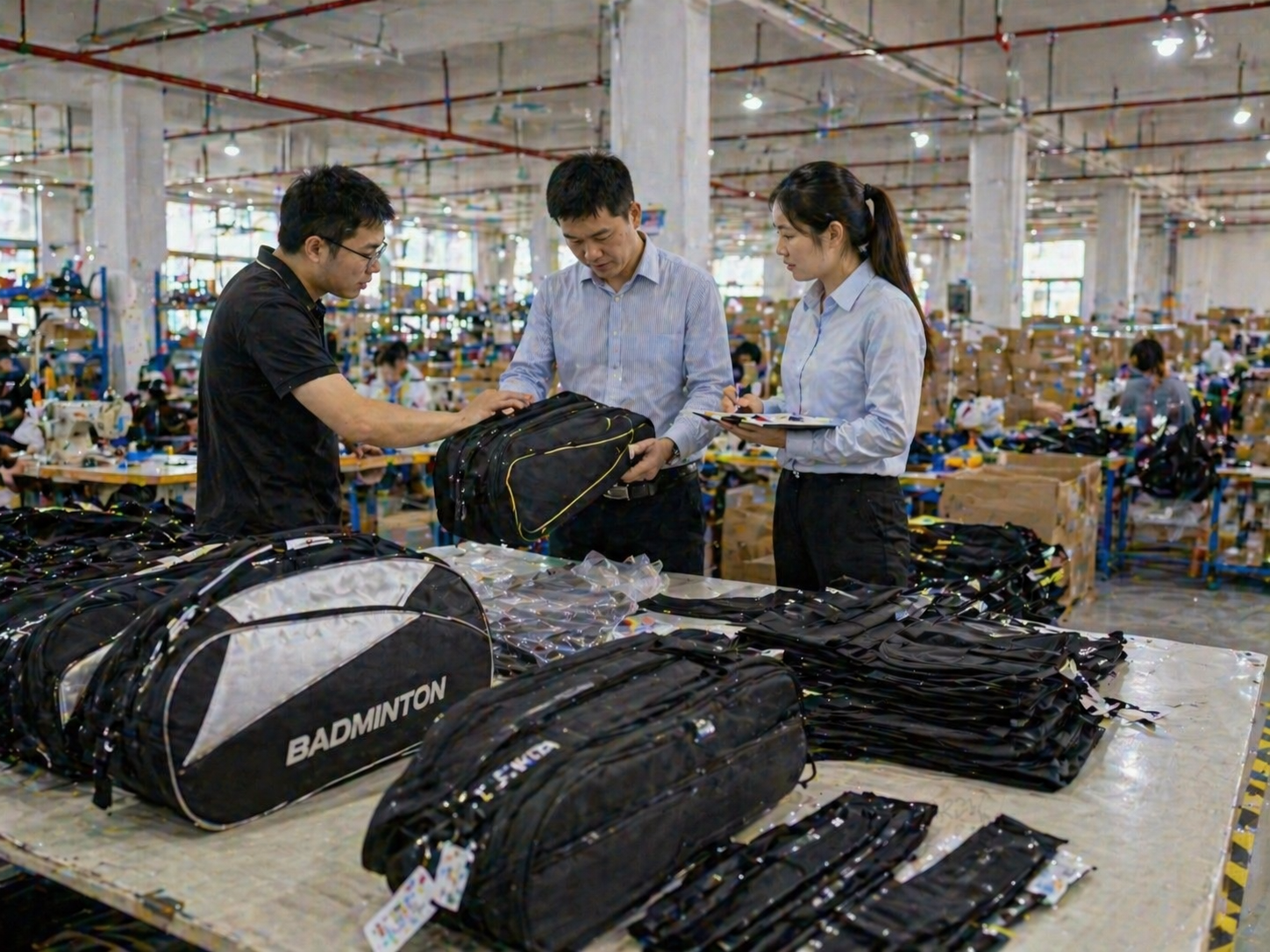
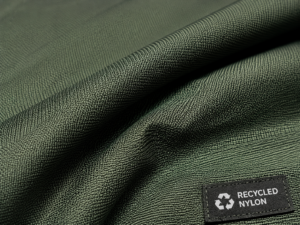
Material selection is one of the most important decisions. Higher-quality fabrics improve durability and enhance perceived value, while coatings can add features such as water resistance.
Structural customization determines how the bag performs under load. Reinforced panels, base support, and proper load distribution improve durability and usability.
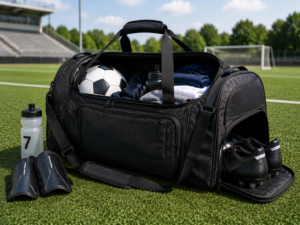
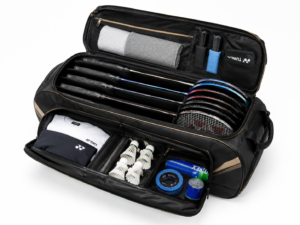
Compartment design directly affects user experience. Independent racket compartments, shoe storage, and accessory pockets help organize equipment efficiently and prevent common issues such as mixed storage.
Branding elements such as logo application, color schemes, and packaging also play a key role in product identity.
A structured view of customization:
| Area | Purpose |
|---|---|
| Materials | Durability and performance |
| Structure | Stability and load support |
| Compartments | Functional organization |
| Branding | Visual identity |
A reliable sports bag supplier can guide brands in selecting the right combination of these elements based on market positioning.
How Do Design Decisions Impact Product Performance?
Design choices directly affect usability and durability.
Well-planned design improves capacity efficiency, reduces failure points, and enhances overall user experience.
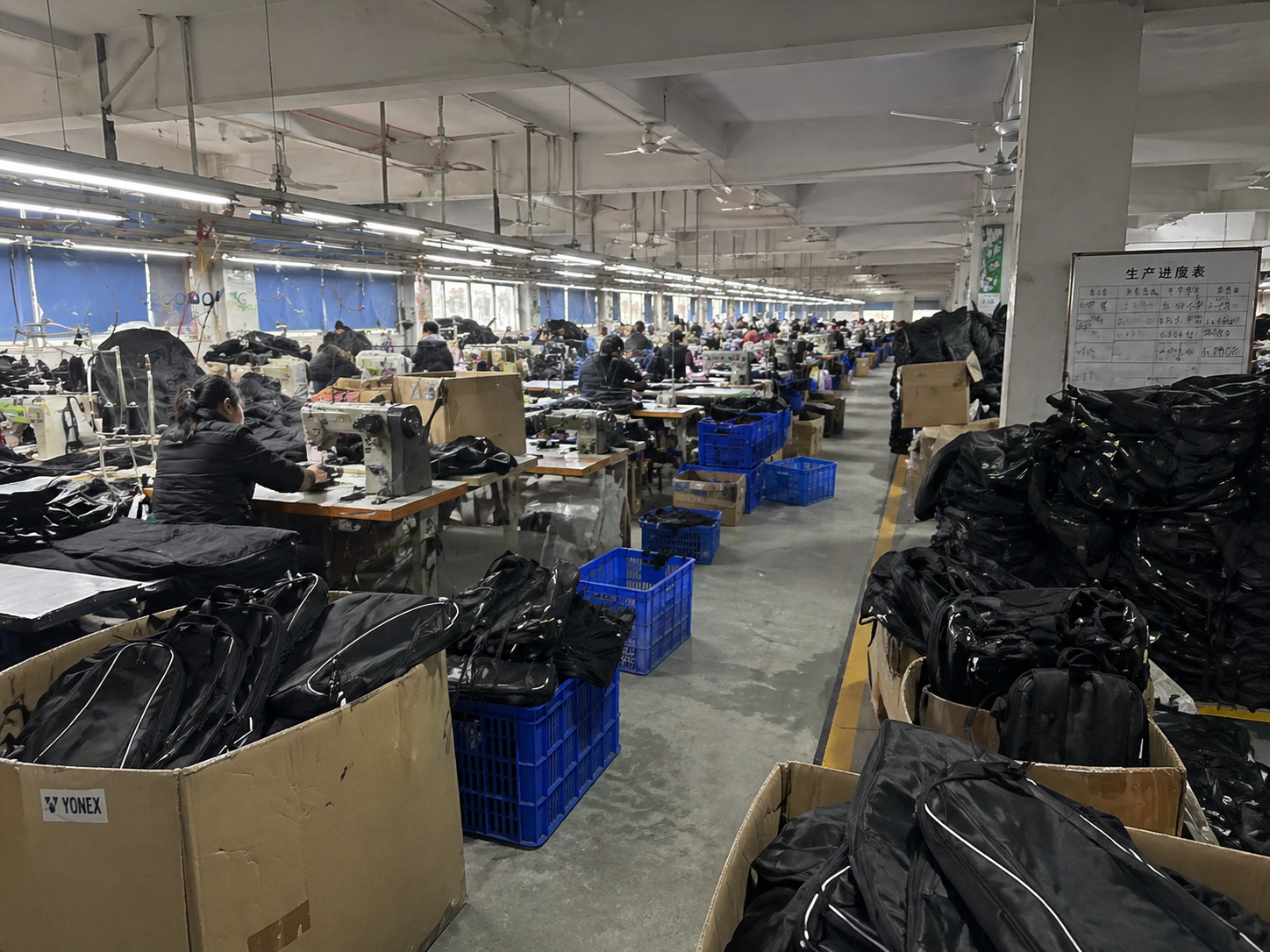
One common issue in the market is inefficient capacity design. Bags may appear large but fail to accommodate rackets and accessories effectively. This is usually caused by poor compartment proportions or excessive padding.
Another issue is structural weakness. Without proper reinforcement, bags may collapse or lose shape under load, reducing usability and perceived quality.
Design must also consider real usage scenarios. For example, players need quick access to rackets and separate storage for shoes and clothing. Ignoring these needs leads to negative feedback.
Integrating real-world usage into design decisions significantly improves product performance.
What Are the Most Common Challenges in Custom Bag Production?
Custom projects often face predictable challenges.
Common issues include communication gaps, inconsistent quality, long development cycles, and cost control difficulties.
Communication gaps are one of the main causes of project delays. If specifications are unclear, the final product may not match expectations, leading to repeated revisions.
Quality inconsistency is another major issue. A well-made sample does not guarantee that mass production will meet the same standard. Weak quality control systems often cause this problem.
Development timelines are often underestimated. Multiple revisions are required to refine structure and materials, which can extend lead time.
Cost control becomes difficult when changes are made late in the process. Adjustments to materials or design after sampling can significantly increase production cost.
How Can Brands Solve Common Custom Bag Production Problems?
Solving these issues requires a structured approach.
Clear specifications, early testing, and close collaboration with manufacturers help reduce risks and improve efficiency.
Detailed specifications are essential. Brands should define dimensions, materials, and functional requirements clearly before development begins. This reduces misunderstandings and speeds up the sampling process.
Early testing is critical. Identifying problems during the prototype stage is far more efficient than correcting them during mass production.
Collaboration with experienced manufacturers adds value. Factories with strong development teams can suggest improvements and identify potential issues early.
How Can Brands Scale Custom Badminton Bag Production Successfully?
Scaling requires consistency and efficient processes.
Successful scaling depends on stable quality control, efficient communication, and long-term supplier relationships.
As production volume increases, maintaining consistent quality becomes more challenging. Clear production standards and regular inspections are necessary to ensure that all units meet requirements.
Communication must remain efficient. Any changes in design or production schedules should be managed carefully to avoid disruptions.
Long-term cooperation with a reliable supplier improves efficiency and reduces errors over time.
How Do Custom Badminton Bags Support Brand Growth?
Customization is a strategic tool for brand development.
Custom badminton bags help brands differentiate, improve product value, and build a consistent market identity.
By controlling design and functionality, brands can create products that stand out from competitors. This reduces direct price competition and allows for better margin control.
Customization also supports product line expansion. A successful design can be adapted into multiple variations, increasing market coverage.
Conclusion
Custom badminton bag development requires structured planning, clear communication, and reliable manufacturing. Brands that focus on functionality, quality, and differentiation can build strong product lines and achieve long-term market success.