Sourcing badminton bags from China offers strong advantages in cost, product variety, and manufacturing capability. However, without a clear process, buyers may face risks such as inconsistent quality, delays, and unexpected costs. A structured sourcing approach is essential for successful importing.
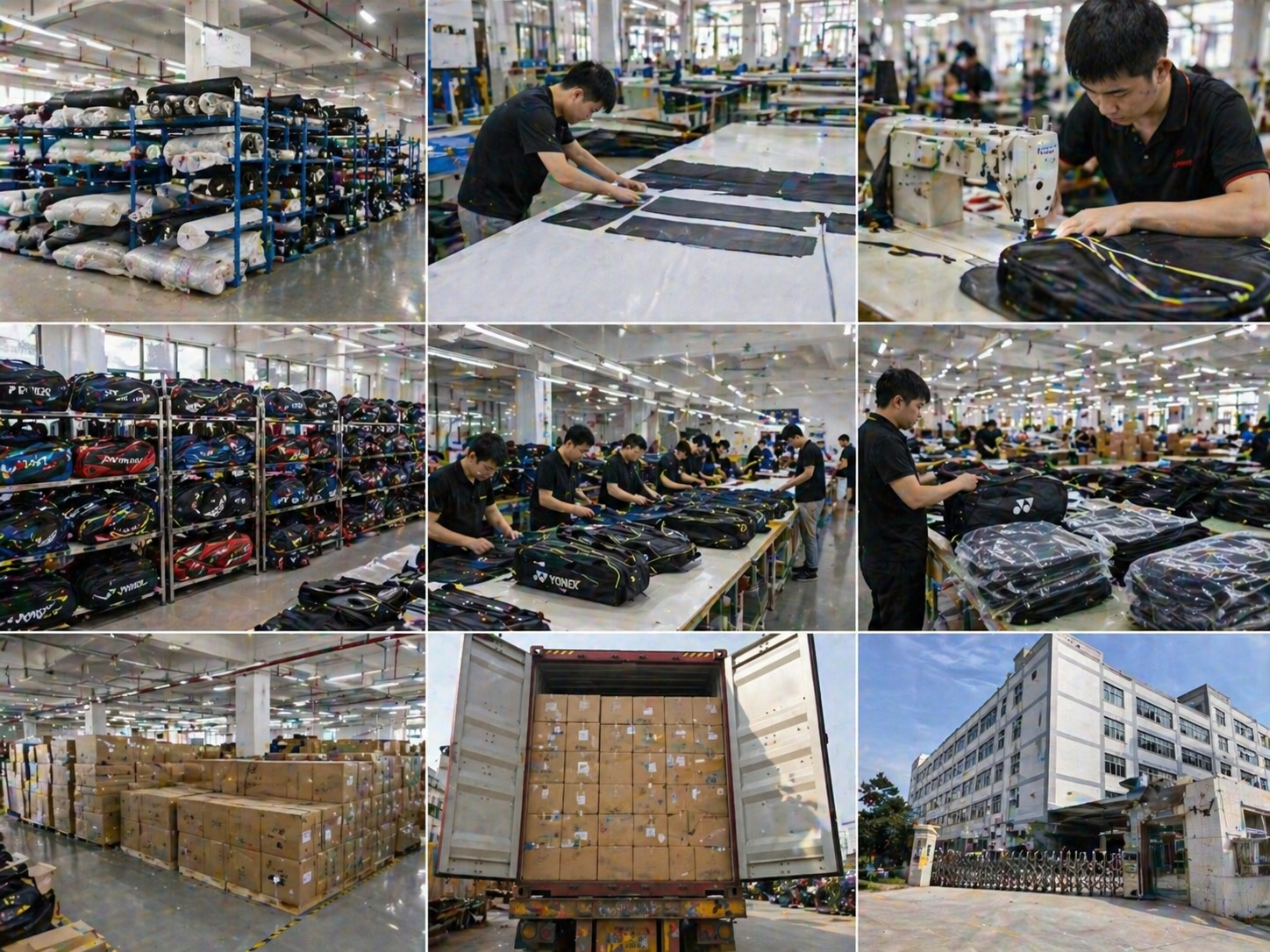
Sourcing badminton bags from China involves supplier selection, product development, negotiation, production control, and logistics planning. Each step must be managed carefully to reduce risk and ensure consistent quality.
A step-by-step understanding helps brands and importers control the entire process from initial inquiry to final delivery.
What Is the Step-by-Step Process to Import Badminton Bags from China?
A clear process reduces uncertainty and improves efficiency.
The sourcing process includes market research, supplier screening, sampling, order confirmation, production, inspection, and shipping.
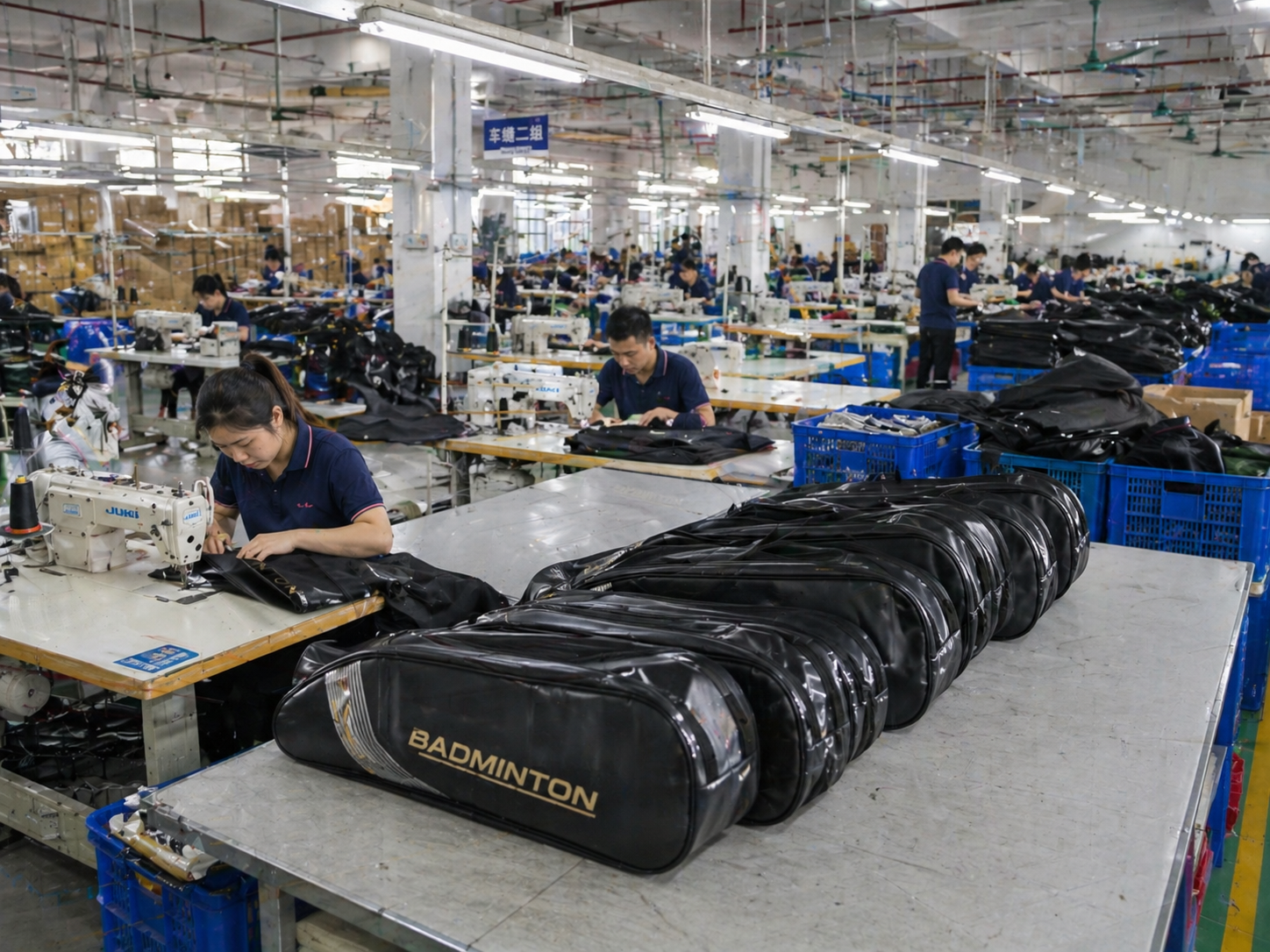
The process begins with defining product requirements. This includes bag type, size, materials, and target price. Clear requirements help identify suitable suppliers and avoid misunderstandings later.
Supplier screening follows. Buyers evaluate factories based on experience, product specialization, and communication efficiency. Sampling is then conducted to verify product quality and design accuracy.
After sample approval, the order is confirmed. Production begins with agreed specifications, followed by quality inspections before shipment.
A structured overview:
| Step | Key Action |
|---|---|
| Research | Define product requirements |
| Supplier selection | Evaluate factories |
| Sampling | Test product quality |
| Order confirmation | Finalize specifications |
| Production | Monitor manufacturing |
| Inspection | Verify quality |
| Shipping | Arrange logistics |
Brands can explore options from a professional badminton bag manufacturer to better understand how this process is handled in practice.
How to Select the Right Badminton Bag Supplier?
Supplier selection is the most critical step.
Buyers should evaluate suppliers based on specialization, production capability, quality control systems, and communication efficiency.
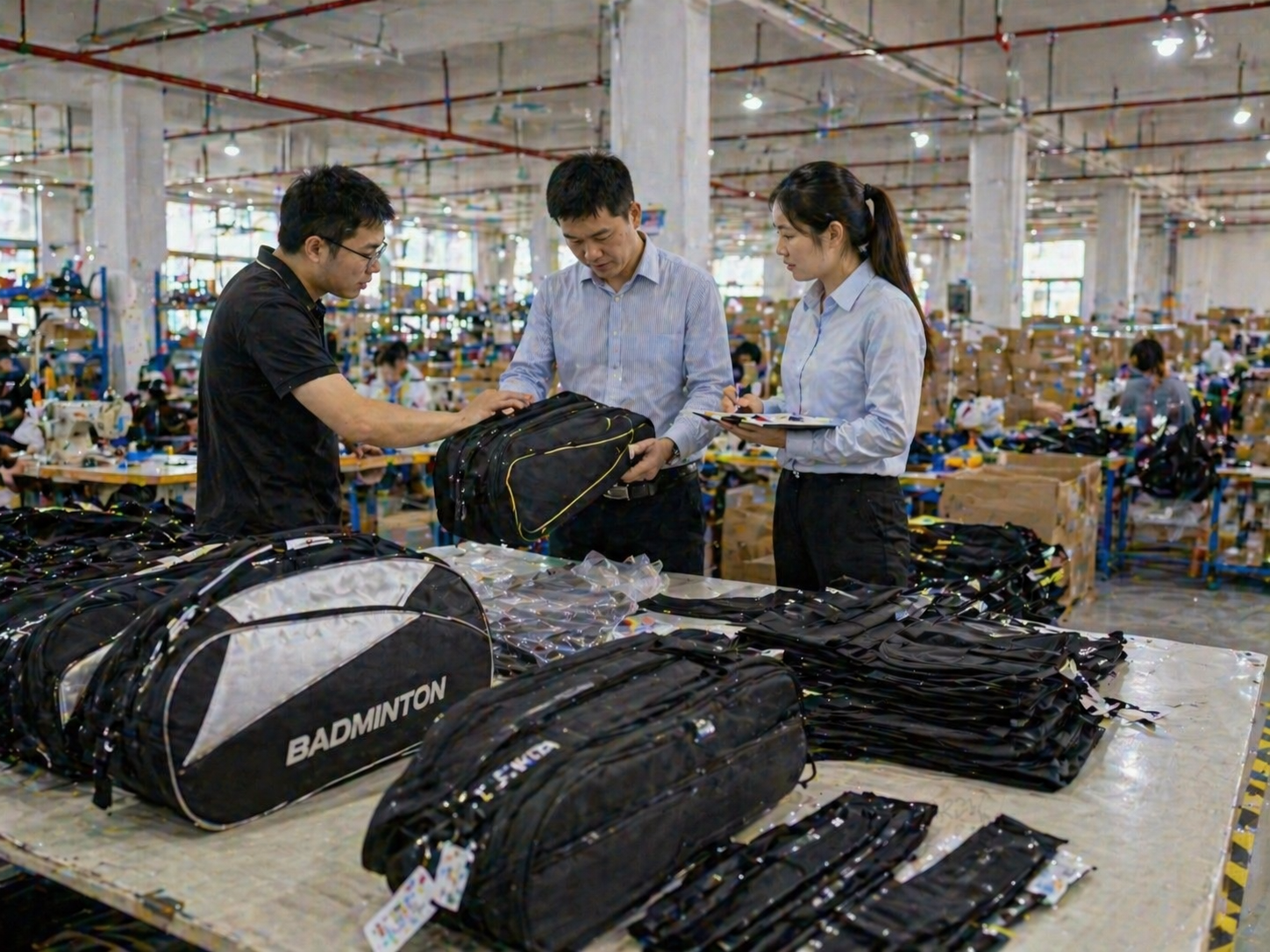
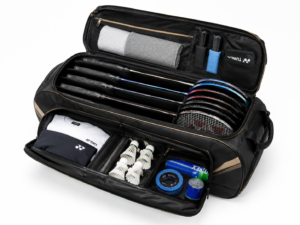
A specialized manufacturer has better understanding of badminton bag structure, including racket compartments, reinforcement, and ergonomic design. General bag factories may lack this expertise.
Production capability determines whether the supplier can meet order volume and delivery timelines. Quality control systems ensure consistency between samples and bulk production.
Communication is equally important. Clear and responsive communication reduces errors and improves project efficiency.
A reliable sports bag supplier can support both development and production while maintaining consistent quality.
How Should Buyers Handle Negotiation and Order Terms?
Negotiation goes beyond price.
Buyers should negotiate pricing, MOQ, lead time, payment terms, and quality standards to ensure a balanced agreement.
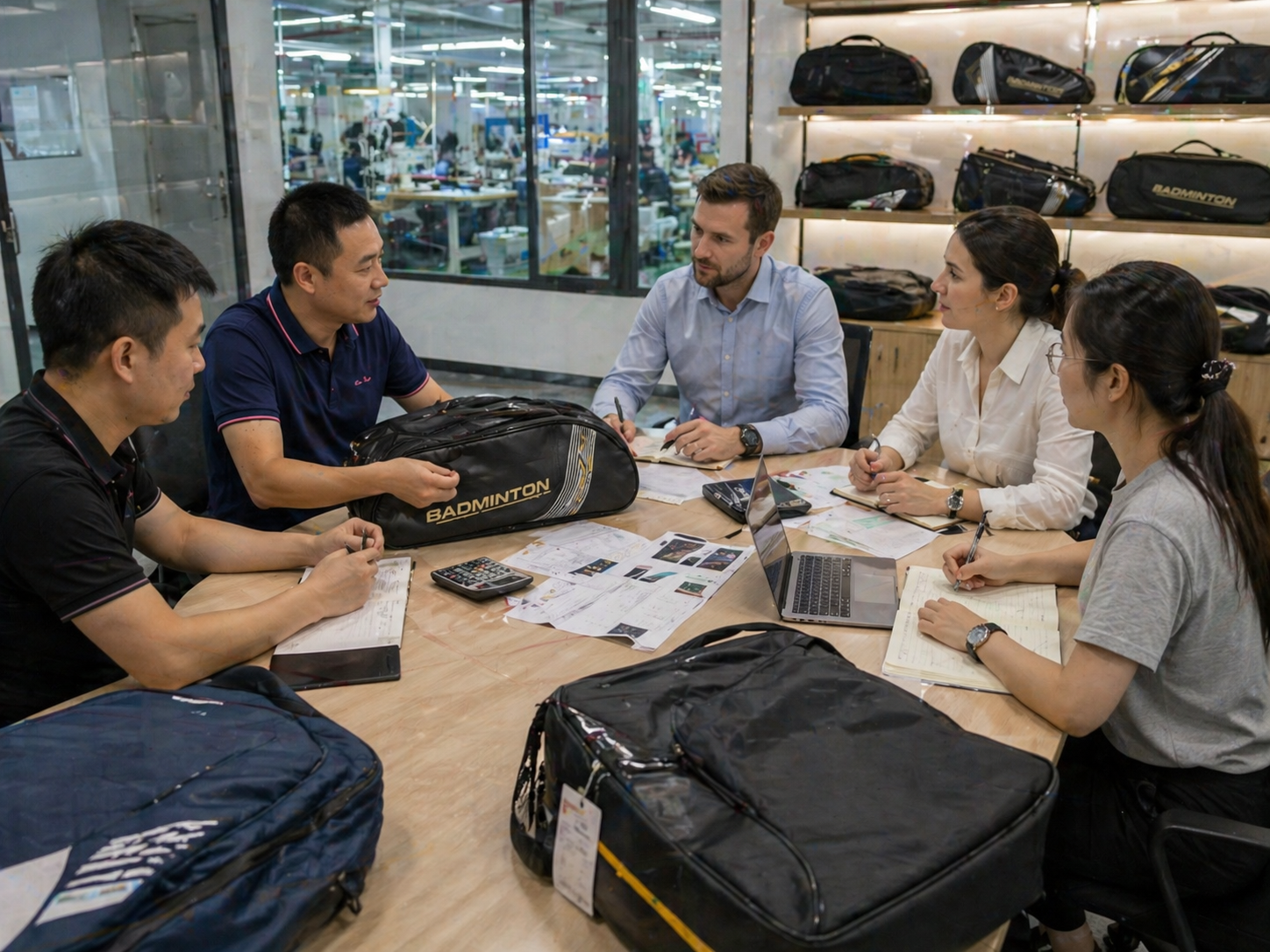
Price is only one factor. Low pricing may indicate lower material quality or reduced production standards. Buyers should focus on total value, including durability and reliability.
MOQ affects unit cost and inventory risk. Lead time must be realistic and aligned with production capacity. Payment terms should balance risk between buyer and supplier.
Clear agreements on quality standards and specifications are essential to avoid disputes.
What Should Buyers Know About Production and Quality Control?
Production control ensures that final products match expectations.
Buyers should monitor production progress and implement quality inspections to prevent defects and inconsistencies.
One common issue is the difference between samples and bulk production. This often results from unclear specifications or weak quality control.
To prevent this, buyers should approve pre-production samples and define detailed requirements. In-line inspections during production help detect issues early.
Final inspection before shipment ensures that products meet agreed standards. Third-party inspection services can provide independent verification.
How Do Shipping and Logistics Work for Badminton Bags?
Logistics planning is essential for timely delivery.
Shipping options include sea freight, air freight, and express delivery, each with different cost and time considerations.
Sea freight is the most cost-effective option for large orders but requires longer transit time. Air freight is faster but more expensive, making it suitable for urgent shipments. Express delivery is typically used for samples or small orders.
Packaging also affects logistics. Proper packaging protects products during transit and reduces the risk of damage.
Coordination between supplier and logistics provider ensures smooth shipping and delivery.
What Duties and Compliance Requirements Apply to Sports Bags?
Compliance is critical for successful importation.
Buyers must consider import duties, product regulations, and documentation requirements in their target market.
Import duties vary depending on country and product classification. Buyers should verify tariff rates and include them in cost calculations.
Compliance requirements may include material safety standards and labeling regulations. Failure to meet these requirements can result in delays or penalties.
Proper documentation, such as invoices, packing lists, and certificates, is necessary for customs clearance.
What Are the Common Risks When Sourcing from China?
Understanding risks helps prevent costly mistakes.
Common risks include inconsistent quality, delayed production, communication issues, and hidden costs.
Inconsistent quality often results from weak QC systems or material substitution. Delays may occur due to poor production planning or capacity limitations.
Communication issues can lead to misunderstandings, especially in custom projects. Hidden costs may arise from design changes, logistics, or compliance requirements.
Managing these risks requires careful supplier selection and clear communication.
How Can Buyers Build a Stable Supply Chain?
Long-term stability is key to business growth.
Building a stable supply chain requires reliable suppliers, clear processes, and continuous performance evaluation.
Long-term cooperation with a trusted supplier improves efficiency and reduces risk. Clear processes ensure that each order follows the same standards.
Regular evaluation helps identify areas for improvement and maintain consistent performance.
A stable supply chain supports product quality, delivery reliability, and overall business growth.
Conclusion
Sourcing badminton bags from China requires a structured approach covering supplier selection, negotiation, production control, and logistics. Buyers who manage each step carefully can reduce risks, control costs, and build a reliable supply chain.