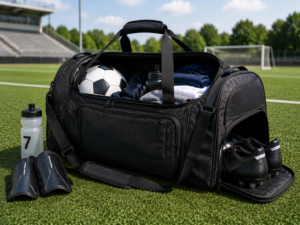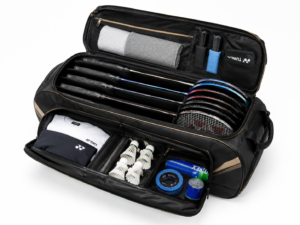
The tennis bag market has changed dramatically in recent years. Players no longer look for simple storage only. Modern athletes expect better organization, waterproof protection, thermal compartments, ergonomic carrying systems, and premium materials that can survive long-term tournament travel.
Because of this shift, more sports brands, clubs, retailers, and distributors are moving toward custom tennis bag development instead of using generic ready-made products. A custom tennis bag allows brands to control functionality, appearance, storage layout, materials, logo placement, and overall product quality while building stronger brand identity in an increasingly competitive sports market.
However, developing a successful custom tennis bag is not as simple as adding a logo onto an existing design. Material selection, waterproof construction, thermal protection, zipper quality, storage layout, and manufacturing consistency all directly affect long-term product performance and customer satisfaction.
This guide explains how custom tennis bags are designed, manufactured, and optimized for real-world player use while helping sports brands understand the most important factors before starting production.
Why Custom Tennis Bags Are Becoming More Popular

The sports bag industry has become far more competitive than it was several years ago. Today’s players pay much closer attention to equipment quality, organization systems, carrying comfort, and long-term durability.
Generic bags often fail to solve real player problems. Poor storage layout creates messy organization. Weak shoulder straps become uncomfortable during tournaments. Cheap zipper systems break after repeated use. Low-quality materials wear out quickly under heavy travel conditions.
Modern players expect better functionality because they carry far more equipment than before. A typical tournament setup may include:
- Multiple rackets
- Shoes
- Clothing changes
- Towels
- Grips and strings
- Electronics
- Water bottles
- Recovery accessories
- Snacks and supplements
Without intelligent storage design, carrying all this equipment becomes frustrating very quickly.
This is one reason why custom tennis bags have become increasingly popular among sports brands, tennis clubs, retailers, and private label buyers. Custom development allows companies to create products that match real player needs instead of relying on generic market designs.
What Makes a Good Custom Tennis Bag?
A successful tennis bag is not simply about appearance. The best products combine functionality, durability, comfort, and equipment protection in ways that improve the player experience during real-world use.
Storage layout is one of the most important factors. Many low-quality bags may look attractive online but become difficult to organize during tournaments or training sessions. Shoes mix with clothing, accessories disappear inside large compartments, and wet towels spread moisture throughout the bag.
Professional custom tennis bag development focuses heavily on compartment planning. Better organization improves convenience while reducing stress during matches and travel.
Material quality is equally important. Low-grade fabrics may initially reduce production cost, but they often create durability issues later. Abrasion resistance, waterproof performance, stitching strength, and zipper quality all directly affect how the bag performs after months of regular use.
Carrying comfort also plays a major role. A fully loaded tennis bag can become surprisingly heavy during tournament travel. Poor strap systems create shoulder fatigue and carrying discomfort very quickly. Professional sports bag manufacturers therefore spend significant time optimizing shoulder strap structure, foam density, back panel support, and weight distribution.
Tennis Backpack vs Tournament Tennis Bag in Custom Development
One of the first decisions during product development is choosing the bag category itself.
Custom tennis backpacks are usually designed for casual players, commuters, students, and lightweight training use. These products focus heavily on portability, compact organization, and versatile everyday functionality. Many backpack-style designs now include laptop sleeves, hidden pockets, USB charging layouts, and travel-friendly compartments to support modern urban lifestyles.
Tournament tennis bags are very different. These bags prioritize storage capacity, equipment protection, and advanced organization systems for players carrying larger amounts of gear.
Quick Product Comparison
| Feature | Tennis Backpack | Tournament Tennis Bag |
|---|---|---|
| Best For | Casual players & commuters | Tournament & advanced players |
| Racket Capacity | 1–2 rackets | 3–12 rackets |
| Storage Capacity | Moderate | Large |
| Carrying Style | Backpack | Shoulder / backpack hybrid |
| Thermal Protection | Optional | Common |
| Shoe Compartments | Compact | Dedicated sections |
| Travel Use | Everyday commuting | Long tournament travel |
The correct product category depends heavily on the target customer and market positioning.
Why Waterproof Construction Matters in Custom Tennis Bags
Waterproof performance has become one of the most requested features in modern sports bag manufacturing.
Outdoor tournaments regularly expose tennis bags to:
- Rain
- Humidity
- Wet court surfaces
- Moisture inside car trunks
- Damp benches
- Sweaty equipment
Without proper waterproof construction, moisture quickly spreads through the bag and affects grips, clothing, towels, and electronics.
Modern waterproof tennis bags often use TPU-coated fabrics, reinforced seam construction, moisture-resistant linings, and waterproof zipper systems to improve protection during outdoor use.
However, many buyers misunderstand the difference between waterproof and water-resistant construction.
Water-resistant fabrics usually protect against light moisture only. Waterproof construction requires a much higher level of protection involving material coating, seam structure, zipper design, and internal lining systems.
Professional custom sports bag manufacturers now increasingly focus on waterproof performance because players expect stronger weather protection during travel and tournament play.
Why Thermal Protection Has Become a Premium Feature
Heat is one of the biggest hidden threats to tennis equipment.
Inside parked cars or outdoor tournament areas, temperatures can rise very quickly. Excessive heat gradually affects:
- String tension
- Grip texture
- Frame consistency
- Overall racket performance
Thermal racket compartments help reduce temperature fluctuation inside the bag by using insulated lining materials around racket storage sections.
Several years ago, thermal protection was considered a premium feature mainly used in high-end tournament bags. Today, many players view it as essential, especially for summer training and long tournament travel.
Because of this demand, custom tennis bag manufacturers increasingly integrate thermal protection into premium product lines to improve equipment safety and overall product value.
Material Selection Plays a Huge Role in Product Quality
Material selection directly affects durability, waterproof performance, weight, abrasion resistance, and product appearance.
Many buyers focus heavily on appearance during early product development but underestimate how important material performance becomes after extended use.
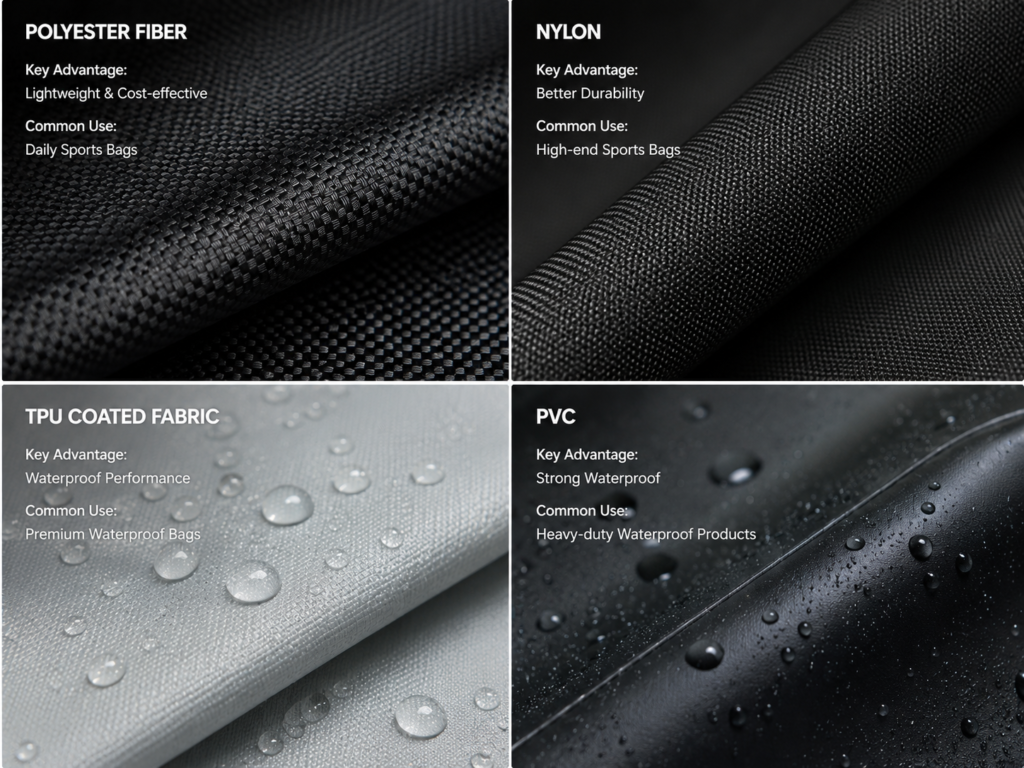
Common Tennis Bag Materials
| Material | Main Advantage | Common Use |
|---|---|---|
| Polyester | Lightweight & affordable | Everyday sports bags |
| Nylon | Better abrasion resistance | Premium sports bags |
| TPU-Coated Fabric | Waterproof performance | High-end waterproof bags |
| PVC | Strong moisture protection | Heavy-duty waterproof products |
Polyester remains extremely popular because it balances affordability and lightweight performance well. However, lower-grade polyester fabrics may wear faster under heavy tournament conditions.
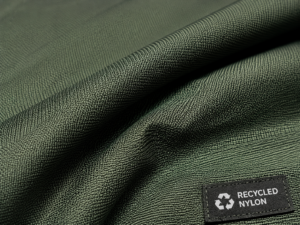
Nylon provides stronger tear resistance and improved long-term durability, making it popular in premium sports bag development.
TPU-coated materials have become increasingly important in professional waterproof tennis bag manufacturing because they combine strong weather resistance with modern appearance and flexible construction.
Zipper Quality Is More Important Than Most Buyers Realize
Zippers are one of the first components to fail on low-quality sports bags.
Cheap zipper systems commonly create problems such as:
- Broken teeth
- Misalignment
- Difficult opening and closing
- Water leakage
- Premature wear
For tennis players, zipper failure during tournaments or travel becomes extremely frustrating.
Professional sports bag manufacturers therefore pay close attention to zipper durability, reinforcement stitching, pull system strength, and waterproof performance.
Premium custom tennis bags increasingly use waterproof zipper systems because they improve both weather resistance and product appearance.
Why Storage Layout Directly Affects User Experience
Modern tennis players carry far more than rackets alone. This is why intelligent storage layout has become one of the most important factors in sports bag development.
Poor organization quickly creates inconvenience during training and tournaments. Shoes transfer dirt into clothing compartments. Wet towels spread moisture across accessories. Small items disappear inside oversized storage spaces.
Professional storage design focuses on solving these real-world problems.
Features That Improve Organization
Dedicated Shoe Compartments
Separate shoe compartments help isolate dirt, sweat, and odor from clean clothing and equipment.
Wet & Dry Separation
Separate sections for wet towels and sweaty clothing improve hygiene and reduce moisture buildup inside the bag.
Accessory Pockets
Players often carry grips, strings, wallets, keys, chargers, tape, snacks, and electronics. Organized accessory storage improves convenience significantly.
Thermal Racket Compartments
Thermal protection sections improve racket safety during outdoor travel and high-temperature environments.
Good organization systems dramatically improve long-term user experience.
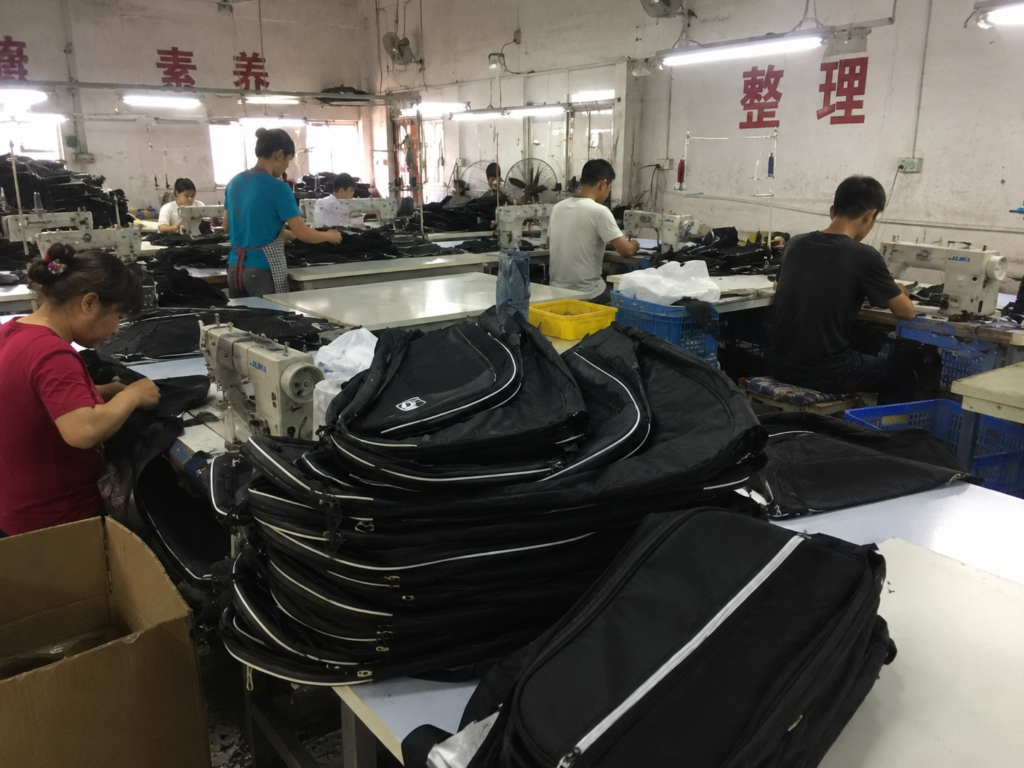
How Professional Tennis Bags Are Manufactured
Professional tennis bag manufacturing involves much more than simple sewing.
Sports bag factories typically focus on several key production areas:
Pattern Development
Engineers create detailed bag structures based on compartment layout, material thickness, zipper positioning, and carrying balance.
Material Testing
Fabrics are tested for:
- Abrasion resistance
- Waterproof performance
- Color fastness
- Tensile strength
Load Testing
Shoulder straps and carrying handles are tested under repeated heavy weight conditions to improve durability.
Waterproof Testing
Factories test fabric penetration, seam sealing performance, and zipper resistance to moisture.
Quality Inspection
Professional quality control teams inspect:
- Stitch consistency
- Logo placement
- Hardware quality
- Zipper smoothness
- Structural alignment
These production standards directly affect long-term product quality.
Common Mistakes Buyers Make During Custom Development
Many buyers focus too heavily on appearance while ignoring functional performance.
One of the most common mistakes is underestimating storage organization. Bags may look visually attractive but perform poorly during actual use.
Another major issue is reducing material quality to lower cost. Low-grade fabrics and weak zipper systems often create long-term customer complaints later.
Some buyers also underestimate waterproof construction requirements. Simply using coated fabric does not automatically create a waterproof tennis bag. Seam structure, zipper design, and lining materials all play major roles.
Ignoring ergonomic carrying comfort is another common problem. A heavy tournament bag with poor shoulder support quickly becomes uncomfortable during travel.
Professional product development requires balancing appearance, functionality, durability, comfort, and manufacturing consistency together.
How to Choose the Right Custom Tennis Bag Manufacturer
Choosing the right manufacturing partner is one of the most important decisions during product development.
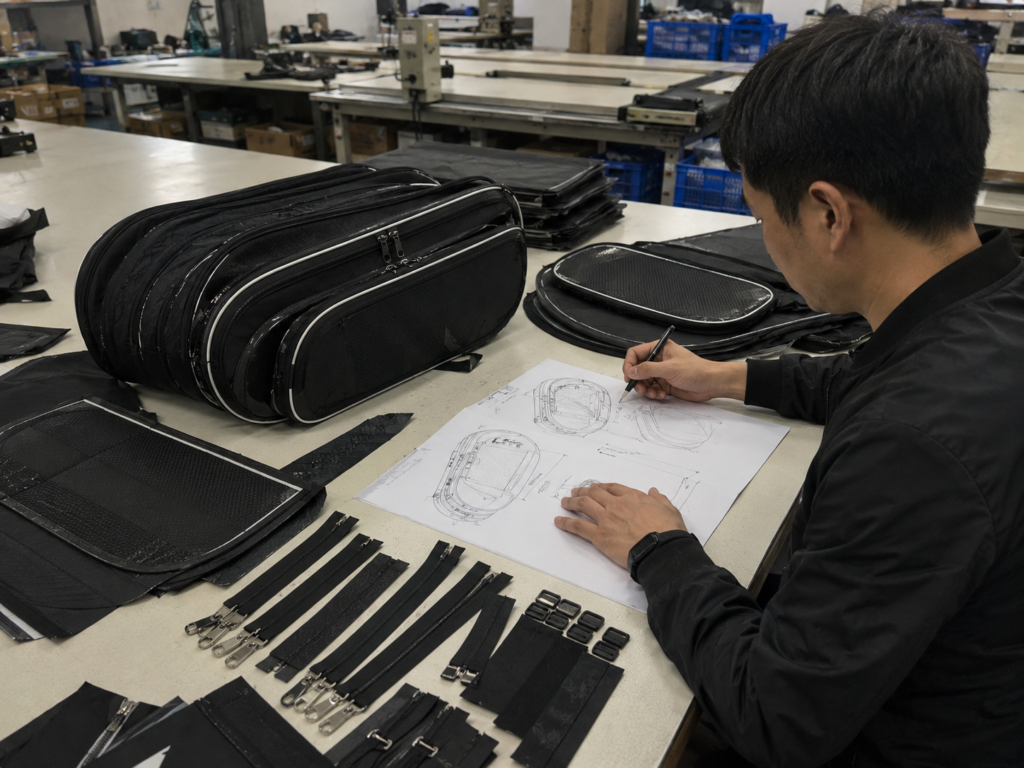
An experienced manufacturer should understand:
- Sports bag construction
- Waterproof technology
- Thermal compartment development
- Material performance
- Load-bearing design
- Quality control standards
- Packaging solutions
- OEM & private label production
Factories specializing in sports bags usually provide much better long-term product consistency than general bag suppliers.
Communication also matters heavily during development. Professional manufacturers should provide material recommendations, prototype support, logo solutions, production feedback, and quality improvement suggestions throughout the project.
Future Trends in Custom Tennis Bag Manufacturing
The sports bag industry continues evolving quickly as player expectations increase.
Modern consumers increasingly look for:
- Lightweight construction
- Waterproof protection
- Sustainable materials
- Better ventilation
- Smarter storage layouts
- Premium appearance
- Travel-friendly designs
- Ergonomic carrying systems
Custom sports bag development is moving toward products that combine performance, durability, comfort, and modern aesthetics instead of simple storage alone.
This trend will likely continue as tennis players demand higher-quality equipment protection and better travel convenience.
Conclusion
Custom tennis bag development is no longer only about adding a logo onto a standard design. Modern players expect better organization, waterproof protection, thermal safety, ergonomic comfort, and long-term durability from every product they use.
Material quality, zipper construction, compartment layout, thermal protection, and waterproof performance all directly affect long-term customer satisfaction and product value.
Whether developing tournament racket bags, waterproof tennis backpacks, or private label sports bag collections, successful products are built around real player behavior and practical travel needs rather than appearance alone.
As the tennis equipment market continues evolving, brands that focus on quality construction, intelligent storage design, and professional manufacturing standards will continue standing out in an increasingly competitive sports industry.