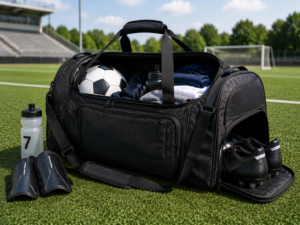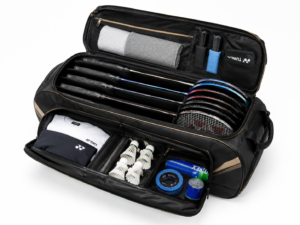
When choosing the best material for making tennis bags, durability, water resistance, weight, and long-term performance all matter. Different materials offer different advantages depending on whether the tennis bag is designed for tournaments, travel, training, or everyday use.
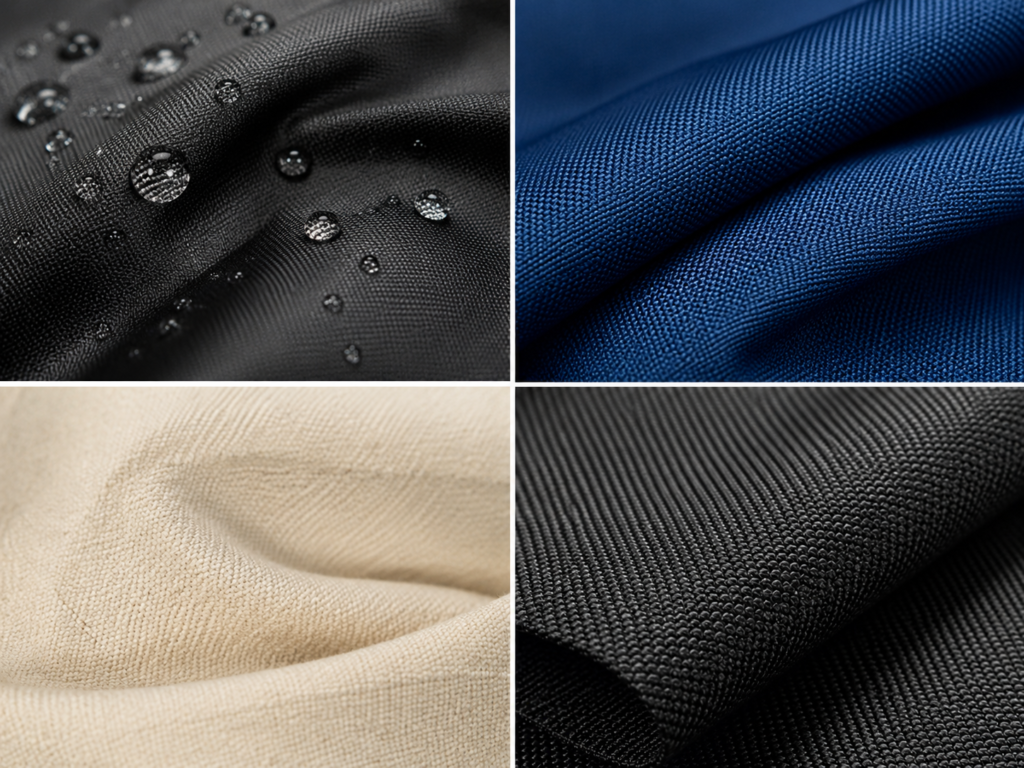
- Nylon: Lightweight, durable, and water-resistant. Widely used for premium tennis bags and tournament bags.
- Polyester: Cost-effective, lightweight, and resistant to moisture. Commonly used for everyday tennis backpacks and sports bags.
- Canvas: Strong, stylish, and easy to clean. Often used for casual tennis bags and lifestyle sports bags.
- Cordura Fabric: Extremely durable and abrasion-resistant. Ideal for heavy-duty tennis bags, outdoor sports bags, and travel use.
Many modern tennis bag manufacturers also use TPU-coated fabrics and waterproof materials to improve weather protection and long-term durability.
The best tennis bag material depends on how often you play, how much equipment you carry, and whether you need lightweight portability, waterproof performance, or heavy-duty durability.
Key Takeaways
- Nylon is one of the best materials for tennis bags because it is lightweight, durable, and water-resistant. It performs well for tournament bags, travel bags, and daily sports use.
- Polyester is becoming increasingly popular in modern tennis bag manufacturing thanks to its lightweight structure, moisture resistance, and cost-effective performance.
- Canvas offers a classic appearance, strong structure, and easy maintenance. It is commonly used for casual tennis bags and lifestyle sports bags, although it is generally heavier than nylon or polyester.
- Cordura fabric is one of the most durable materials available for tennis bags. It provides excellent abrasion resistance and performs extremely well in outdoor, travel, and heavy-use environments.
- Recycled materials such as recycled nylon and eco-friendly polyester are becoming more common in premium tennis bag production. These sustainable materials help reduce environmental impact while still offering strong durability and reliable long-term performance.
Best Materials for Making Tennis Bags
Choosing the right material is one of the most important factors in tennis bag manufacturing. Different materials offer different levels of durability, water resistance, weight, and long-term performance depending on how the tennis bag will be used.
Nylon
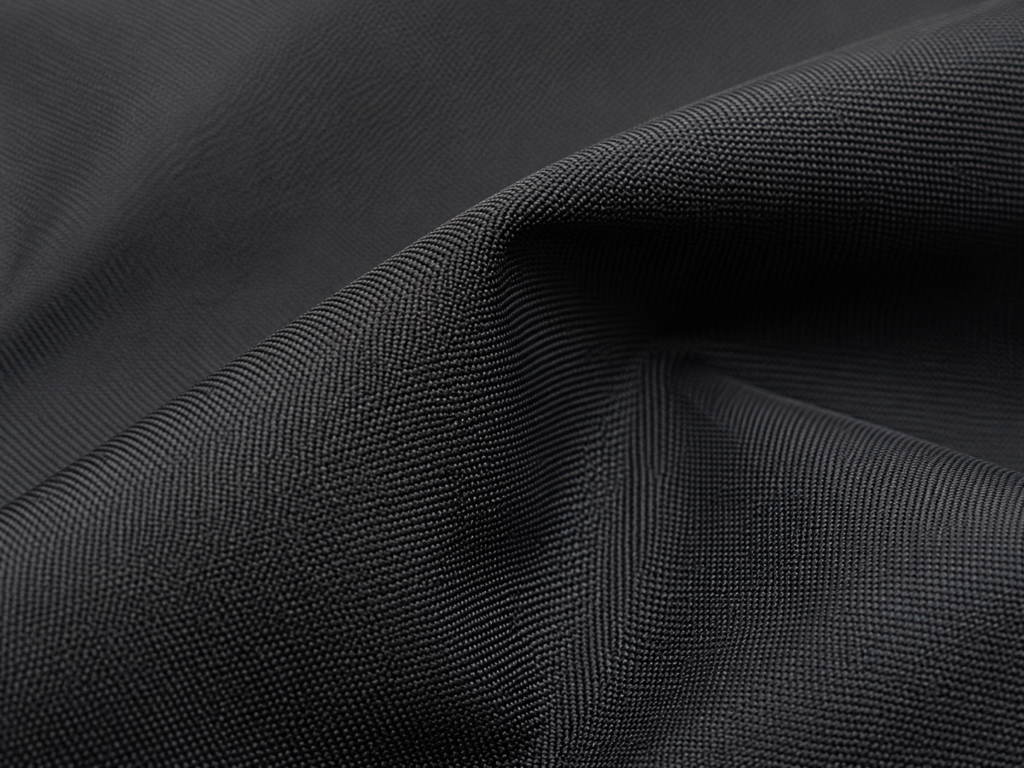
Nylon is one of the most popular materials used in modern tennis bags. It is lightweight, durable, flexible, and highly resistant to abrasion, making it ideal for tournament bags, sports backpacks, and travel tennis bags.
Compared with many standard fabrics, nylon performs better in high-friction environments and maintains its structure well during long-term use. High-density nylon fabrics are especially common in premium tennis bag manufacturing because they provide excellent durability without adding excessive weight.
Many professional tennis bags use 600D or higher-denier nylon fabrics for improved performance and long-term reliability.
Nylon Performance Comparison
| Property | 600D Nylon | 600D Polyester | Units |
|---|---|---|---|
| Tensile Strength | 75 | 55 | MPa |
| Abrasion Resistance | High (20,000 rubs) | Moderate (15,000 rubs) | Martindale Rubs |
| Elastic Recovery | ~15% | ~3% | % elongation |
| UV Resistance | Lower | Higher | — |
| Water Absorption | 4–8% | 0.4–0.8% | % weight gain |
Nylon offers stronger abrasion resistance and better flexibility compared with polyester, which helps improve the durability of tennis bags exposed to daily movement, court surfaces, and heavy equipment loads.
Although polyester generally provides slightly better UV resistance and lower water absorption, nylon remains one of the best overall materials for high-performance tennis bags because of its strength, flexibility, and long-term durability.
Tip: Nylon is an excellent choice for high-use tennis bags because it offers strong abrasion resistance and long-term durability. However, untreated nylon may absorb more moisture than polyester, so waterproof coatings are often recommended for better weather protection.
Polyester
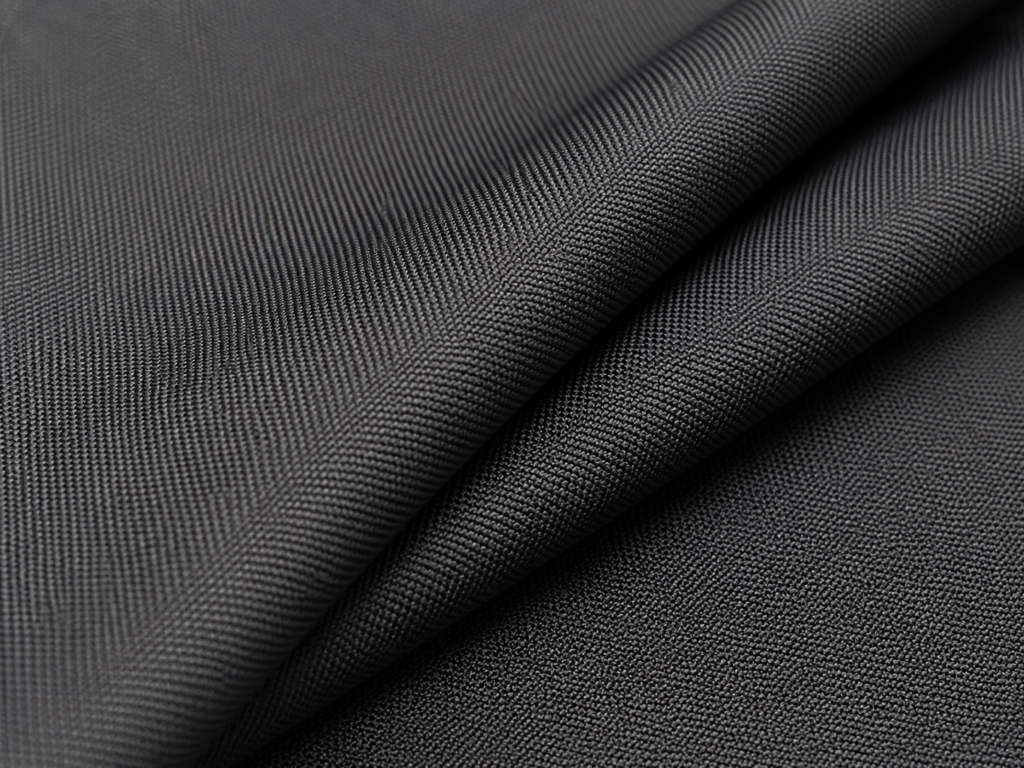
Polyester is another widely used material in modern tennis bags. It is lightweight, water-resistant, and cost-effective, making it popular for everyday sports bags, tennis backpacks, and travel bags.
Compared with heavier materials like canvas, polyester helps reduce overall bag weight and improves carrying comfort during daily use and long walks to the court.
Weight Comparison
| Material | Weight (kg) |
|---|---|
| Polyester | 0.8 |
| Canvas | 1.2 |
Polyester also provides reliable moisture resistance. Many 600D polyester fabrics use PU coatings that help block water penetration and protect gear during light rain and outdoor use.
Water Resistance Performance
| Standard | Method | Pass Criteria (mm) | Typical 600D PU |
|---|---|---|---|
| ISO 811 | Water Column Test | ≥1,000 | 1,200–1,500 |
| AATCC 127 | Pressure Tester | ≥1,000 | 1,200–1,500 |
Note: Polyester offers better UV resistance than nylon, which helps reduce fading and color damage during long-term outdoor use.
Canvas
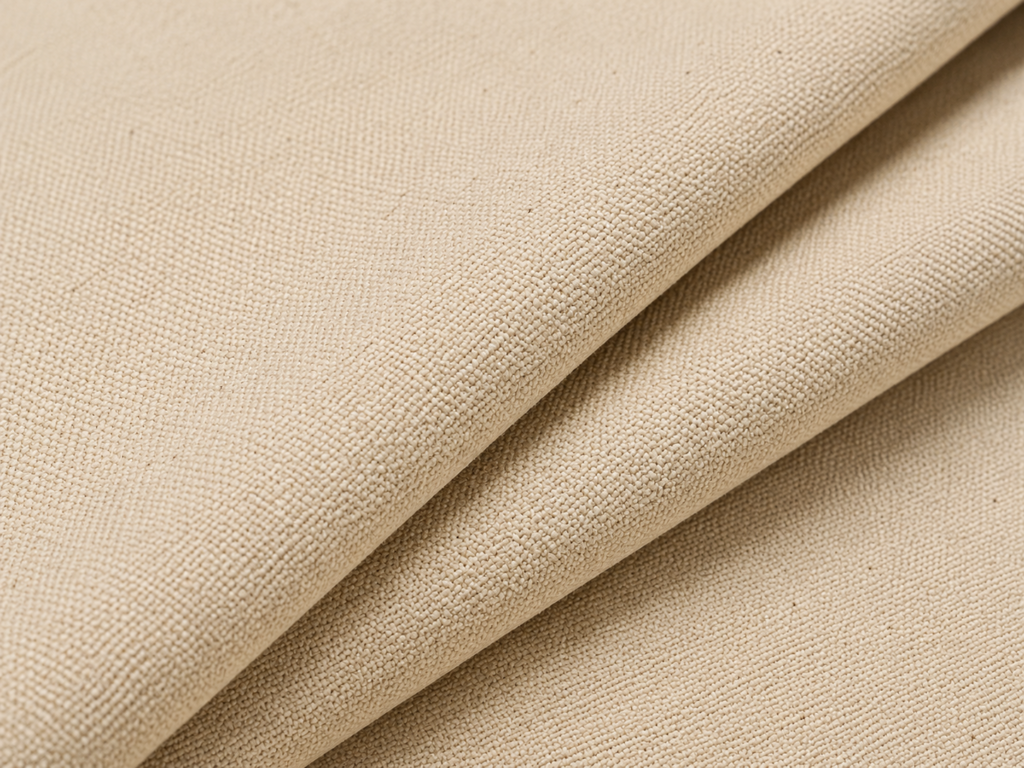
Canvas is a classic material widely used in casual tennis bags, sports totes, and lifestyle backpacks. It offers a natural appearance, strong structure, and long-lasting durability, making it popular for players who prefer a more traditional bag style.
Many canvas bags are designed for long-term use because the fabric provides good strength and resistance to daily wear. Heavy-duty canvas is especially valued for its sturdy construction and reliable performance during regular use.
Compared with polyester or nylon, canvas is generally heavier, but it delivers a more structured feel and premium appearance. Canvas materials are also relatively easy to maintain and clean during everyday use.
Common cleaning methods include:
- Wiping with a damp cloth
- Light brushing for surface dirt
- Vacuum cleaning for dust removal
Canvas bags are often chosen for:
- Casual tennis use
- Lifestyle sports bags
- Travel tote bags
- Vintage-style sports bags
Tip: Canvas is a great option if you want a tennis bag with a classic appearance, strong structure, and easy maintenance. However, canvas bags are usually heavier than nylon or polyester during long-distance travel.
Recycled Nylon
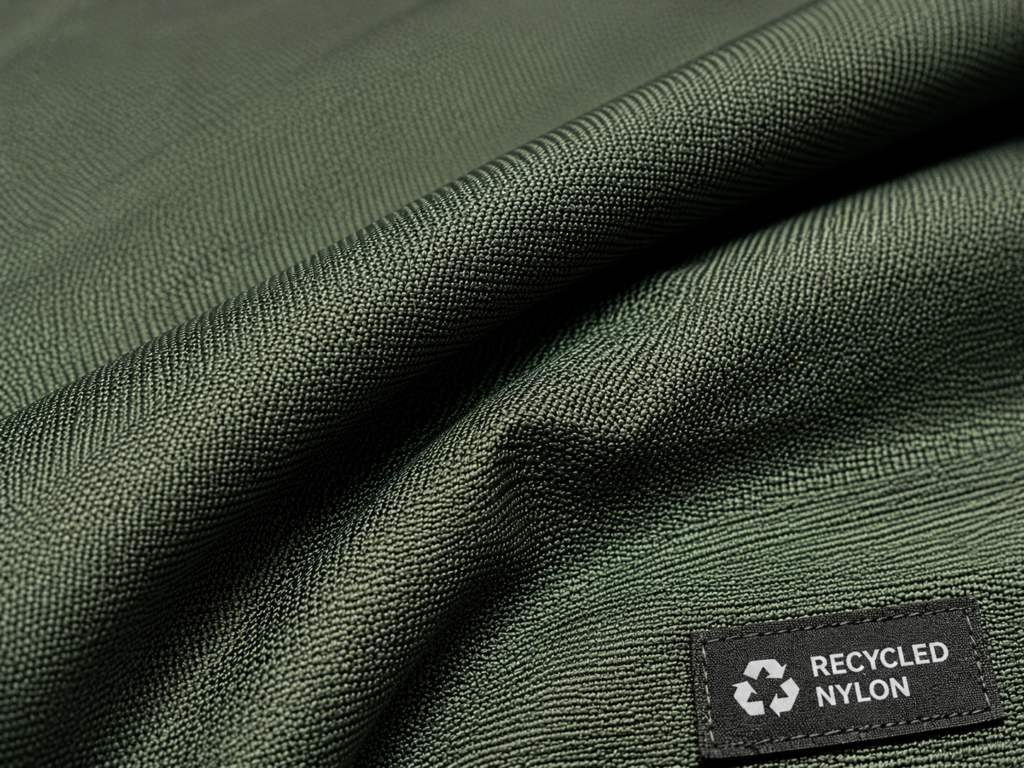
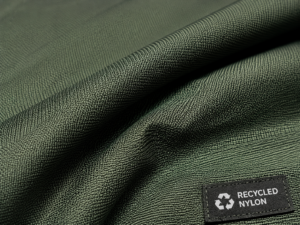
Recycled nylon is becoming increasingly popular in modern tennis bag manufacturing because it combines durability with environmental sustainability. Many sports brands now use recycled nylon fabrics in tennis bags, backpacks, and outdoor sports products to reduce environmental impact without sacrificing performance.
High-quality recycled nylon offers durability and abrasion resistance similar to standard nylon while helping reduce energy consumption and carbon emissions during production.
Benefits of recycled nylon include:
- Strong durability and tear resistance
- Lightweight performance
- Reduced environmental impact
- Lower energy consumption during manufacturing
- Suitable for premium tennis bags and sports backpacks
Recycled nylon is an excellent choice for players and brands looking for eco-friendly tennis bag materials with reliable long-term performance.
Tip: Recycled nylon is a great option if you want a tennis bag material that combines strong durability with more sustainable manufacturing.
Silk
Silk is rarely used in professional tennis bags because it is designed more for lightweight fashion applications rather than heavy-duty sports performance. While silk offers a smooth texture and lightweight feel, it does not provide the abrasion resistance and durability required for high-use sports bags.
Silk materials are more commonly seen in:
- Fashion bags
- Luxury accessories
- Lightweight casual bags
Compared with nylon, polyester, or Cordura fabrics, silk is less suitable for tournament tennis bags or outdoor sports use.
Note: Silk offers a premium appearance and soft texture, but it is generally recommended only for lightweight or fashion-focused bags rather than performance tennis bags.
Key Factors in Making Tennis Bags
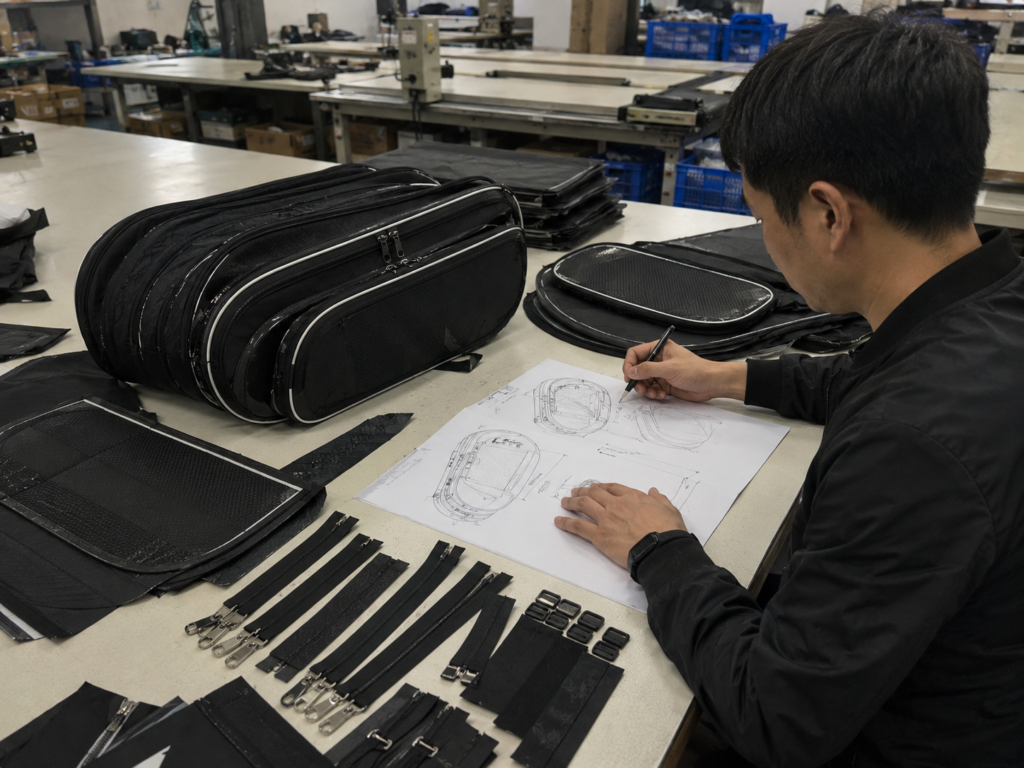
When selecting materials for tennis bags, manufacturers usually focus on durability, weight, waterproof performance, and long-term usability. These factors directly affect how the bag performs during training, travel, and daily use.
Durability
Durability is one of the most important considerations in tennis bag manufacturing. A high-quality tennis bag should withstand:
- Heavy racket loads
- Frequent transportation
- Outdoor court conditions
- Friction and abrasion
- Long-term daily use
Materials such as Cordura nylon, ballistic nylon, and heavyweight coated fabrics are commonly used because they provide strong tear resistance and excellent structural stability.
Fabric thickness, denier rating, stitching quality, and reinforced stress points also play a major role in improving bag lifespan. Premium tennis bag manufacturers often perform durability testing to ensure the bag can handle repeated use under demanding conditions.
Weight
Weight is an important factor when designing or choosing a tennis bag, especially for players who travel frequently or carry equipment for long periods. Lightweight materials help reduce shoulder strain and improve carrying comfort during daily training, tournaments, and commuting.
Nylon and polyester are widely used because they offer a strong balance between durability and lightweight performance. Canvas and leather provide a more structured and premium feel but are generally heavier during extended use.
| Material | Weight Performance |
|---|---|
| Nylon | Lightweight and easy to carry |
| Polyester | Lightweight with good flexibility |
| Canvas | Heavier but durable |
| Leather | Heaviest with premium appearance |
Lightweight tennis bags are especially popular for:
- Daily practice
- School and commuting
- Tournament travel
- Tennis backpacks
Choosing the right weight helps improve comfort without sacrificing durability or storage capacity.
Water Resistance
Water resistance is essential for protecting rackets, clothing, electronics, and accessories during outdoor play and travel.
Many modern tennis bags use water-resistant coatings and waterproof fabrics to improve protection against:
- Rain
- Moisture
- Wet court surfaces
- Humid environments
Nylon and polyester fabrics are commonly treated with PU or TPU coatings to improve waterproof performance. Coated canvas can also provide moderate water resistance, while untreated leather is generally more sensitive to moisture exposure.
Players increasingly prefer water-resistant tennis bags because they help protect expensive equipment during changing weather conditions.
Maintenance
Proper maintenance helps extend the lifespan and appearance of a tennis bag. Different materials require different cleaning methods and care routines.
Tennis Bag Maintenance Guide
| Material | Recommended Maintenance |
|---|---|
| Nylon | Clean with mild soap and soft cloth; avoid excessive scrubbing |
| Canvas | Hand clean gently to maintain fabric structure |
| Leather | Use leather-specific cleaners and avoid excessive moisture |
General maintenance tips include:
- Use a soft cloth or brush for regular cleaning
- Allow the bag to air dry naturally
- Store the bag in a cool, dry environment
- Avoid long-term moisture exposure
- Clean dirt and sweat buildup regularly
Choosing a tennis bag material that is easy to maintain can improve long-term durability and help the bag maintain a cleaner and more professional appearance over time.
Choosing the Right Material for Tennis Bags
Choosing the right material for a tennis bag depends on how the bag will be used. Different materials offer different advantages in durability, weight, waterproof performance, appearance, and long-term comfort.
School & Everyday Tennis Bags
For daily use, lightweight and durable materials are usually the best choice. Tennis backpacks designed for school, commuting, or casual practice often use nylon, polyester, canvas, or recycled fabrics because they balance comfort, durability, and easy maintenance.
Popular Tennis Bag Materials for Everyday Use
| Tennis Bag Material | Main Advantages | Best Use |
|---|---|---|
| Nylon | Lightweight, durable, water-resistant | Daily tennis backpacks |
| Polyester | Affordable and easy to maintain | School and casual sports bags |
| Canvas | Strong structure with classic appearance | Lifestyle tennis bags |
| Recycled Fabrics | Eco-friendly and durable | Sustainable sports bags |
Nylon and polyester remain two of the most popular choices because they are lightweight, durable, and easy to clean during regular use.
Tip: Nylon and polyester are excellent materials for everyday tennis bags because they combine lightweight comfort, durability, and moisture resistance.
Travel & Tournament Tennis Bags
Players who travel frequently for tournaments usually need tennis bags with stronger durability and better waterproof performance.
Materials such as ballistic nylon, Cordura fabric, and TPU-coated polyester are commonly used in premium tournament tennis bags because they offer:
- Better abrasion resistance
- Stronger structural support
- Improved waterproof protection
- Long-term durability during travel
Material Performance Comparison
| Material | Durability | Weight | Water Resistance | Best Use |
|---|---|---|---|---|
| Nylon | High | Lightweight | Good | Tournament tennis bags |
| Polyester | Moderate | Lightweight | Good | Daily sports bags |
| Canvas | Moderate to High | Heavier | Moderate | Casual tennis bags |
| Cordura Fabric | Very High | Moderate | Excellent | Heavy-duty sports bags |
| TPU-Coated Fabric | Very High | Moderate | Excellent | Waterproof tennis bags |
For players who travel often or carry multiple rackets and accessories, nylon and Cordura materials generally provide the best balance between durability and weight.
Outdoor & Heavy-Duty Tennis Bags
Outdoor tennis use places additional stress on sports bags because of exposure to moisture, rough court surfaces, friction, and changing weather conditions.
Cordura nylon and high-denier nylon fabrics are widely used in outdoor and heavy-duty tennis bags because they resist:
- Abrasion
- Tearing
- Surface wear
- Moisture exposure
These materials perform especially well for:
- Tournament travel
- Outdoor training
- Heavy equipment loads
- Frequent transportation
Style & Premium Appearance
Modern tennis bags are no longer designed only for storage. Many players now also care about appearance, branding, and lifestyle aesthetics.
Premium tennis bags increasingly use materials such as:
- Waxed canvas
- Leather accents
- Recycled fabrics
- Textured nylon
- Matte waterproof coatings
These materials help create a more modern, professional, and premium appearance while still maintaining strong performance.
Final Thoughts
The best tennis bag material depends on your playing habits, travel frequency, and personal preferences.
| Priority | Recommended Materials | Main Benefits |
|---|---|---|
| Durability | Ballistic Nylon, Cordura | Excellent abrasion resistance |
| Lightweight Comfort | Nylon, Polyester | Easy daily carrying |
| Waterproof Protection | TPU-Coated Fabric, PU-Coated Nylon | Better weather resistance |
| Sustainability | Recycled Nylon, Recycled Polyester | Eco-friendly manufacturing |
| Premium Appearance | Canvas, Leather Accents | Stylish and professional look |
Choosing the right material helps improve tennis bag durability, comfort, waterproof performance, and long-term user experience.