When selecting the best waterproof lining for bags, material choice plays a critical role in determining overall performance and product durability. Common waterproof lining materials include silicone elastomers, polyurethane (PU), PVC, rubber coatings, and wax-based fabrics, all of which are widely used in modern bag manufacturing.
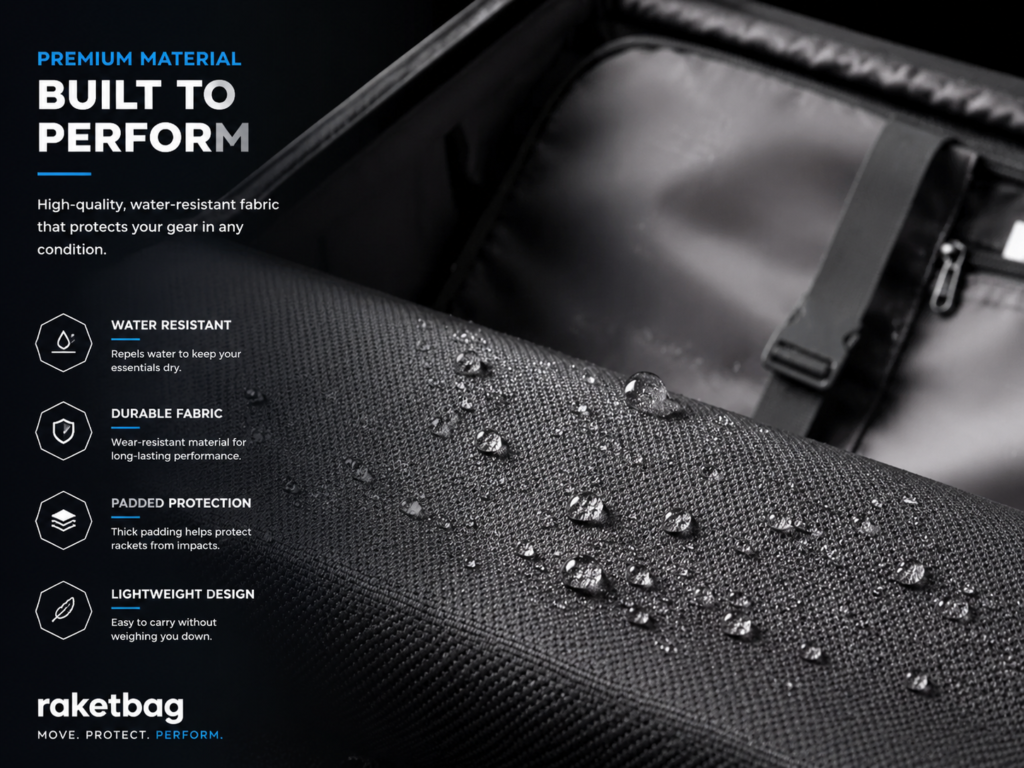
A high-quality waterproof lining does more than simply block water. It helps protect the contents inside the bag from rain, moisture, and environmental exposure, ensuring that personal belongings remain dry and secure even in harsh weather conditions. At the same time, it contributes to the overall lifespan and reliability of the bag.
To evaluate waterproof lining materials properly, several key performance factors should be considered, including waterproof efficiency, breathability, and long-term durability. These properties directly affect user experience and determine whether a material is suitable for different types of bags and usage scenarios.
Top Waterproof Lining Fabrics for Bags
When selecting waterproof lining fabrics for bags, material strength, weight, and durability all play an important role in determining overall product performance. Different fabric densities are used across various bag applications, depending on whether the focus is lightweight portability or heavy-duty protection.
In general, fabric thickness is measured in denier (D), which indicates the fiber density of the material. A higher denier value usually means a stronger and more durable fabric, but it also increases weight and reduces flexibility.
The table below compares commonly used waterproof lining fabric ranges in modern bag manufacturing:
| Denier Range | Common Applications | Key Advantages | Limitations |
|---|---|---|---|
| 100D–200D | Lightweight backpacks, cosmetic bags, compact travel gear | Lightweight, flexible, basic water resistance | Lower durability, may require reinforcement layers |
| 300D–600D | School backpacks, daily-use bags, tactical accessories | Balanced strength, cost-effective, widely used | Medium weight, not ideal for heavy-duty use |
| 800D–1000D | Outdoor backpacks, military-style bags, rugged equipment | High durability, strong abrasion resistance | Heavier structure, less flexibility |
| 1200D–1680D+ | Industrial bags, heavy-duty luggage, professional outdoor gear | Maximum strength, excellent wear resistance | Very heavy, not suitable for lightweight products |
Common Waterproof Lining Fabrics for Bags
Different waterproof lining materials are widely used in bag manufacturing depending on performance requirements such as water resistance, durability, flexibility, and cost. Each material offers different advantages, making it suitable for specific bag applications.
PU-Coated Polyester
PU-coated polyester is one of the most commonly used waterproof lining fabrics in backpacks, travel bags, and daily-use bags. A polyurethane (PU) coating is applied to polyester fabric to improve water resistance and overall durability.
It is typically produced in 600D to 1000D specifications, which provides a strong structure capable of handling daily wear, light rain, and general outdoor conditions. The fabric surface is smooth and easy to clean, making it highly practical for mass production.
TPU-Laminated Nylon
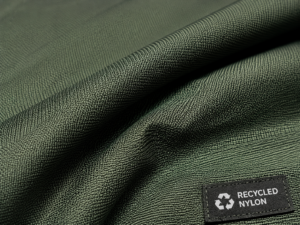
TPU-laminated nylon is a more advanced waterproof material that combines nylon fabric with a thin thermoplastic polyurethane (TPU) film. This structure provides excellent waterproof performance while maintaining flexibility and lightweight properties.
Most applications use 200D to 420D nylon, making it ideal for premium backpacks and outdoor bags. Compared with traditional coatings, TPU lamination offers better durability and is considered more environmentally friendly.
PEVA
PEVA (Polyethylene Vinyl Acetate) is a soft waterproof material commonly used in bags that require strong liquid resistance. It is usually 0.2–0.5mm thick and performs well in preventing leaks and spills.
Because it is free from harmful chemicals, PEVA is widely used in lunch bags, cooler bags, and insulated storage products where safety and hygiene are important.
PUL (Polyurethane Laminate)
PUL is a fabric made by bonding a thin polyurethane film to a textile base. Some versions also include antimicrobial treatments such as SILVADUR to improve hygiene performance.
Although PUL offers strong waterproof protection, it has lower breathability compared to TPU materials. It is commonly used in wet bags, diaper bags, and medical storage products where moisture protection is the main requirement.
Ripstop Nylon
Ripstop nylon is a lightweight yet highly durable fabric designed with a reinforced crosshatch structure that prevents tearing from spreading. It is commonly available in 100D to 420D grades.
When combined with waterproof coatings or laminations, ripstop nylon becomes an excellent choice for lightweight backpacks, outdoor gear, and compact travel bags.
Oilcloth
Oilcloth is made by coating cotton fabric with a waterproof layer such as oil-based or vinyl coating. It provides complete water resistance and is easy to wipe clean.
Although slightly stiff in texture, oilcloth is durable and widely used in tote bags, lunch bags, and casual lifestyle products.
Waxed Canvas
Waxed canvas is a traditional waterproof fabric made by treating cotton canvas with wax. This process allows water to bead off the surface while maintaining a natural and rugged appearance.
It is heavier than synthetic materials but extremely durable and develops a unique texture over time. Waxed canvas is commonly used in outdoor backpacks and premium heritage-style bag designs.
Waterproofing in Bags
Understanding waterproofing performance is essential when selecting materials for bags and backpacks. In the market, terms such as waterproof, water-resistant, and water-repellent are often used interchangeably, but they actually represent different levels of protection.
Waterproof vs. Water-Resistant vs. Water-Repellent
Although these terms sound similar, their performance levels vary significantly in real applications. Choosing the right level depends on the usage environment and product positioning.
| Fabric Type | Definition |
|---|---|
| Waterproof | Provides full protection against water penetration under normal conditions |
| Water-Resistant | Can resist light rain or splashes, but may allow water penetration under prolonged exposure |
| Water-Repellent | Offers surface-level protection that causes water to bead off temporarily |
For heavy rain or outdoor environments, waterproof materials are the most reliable choice. For light daily use or short outdoor exposure, water-resistant or water-repellent fabrics may be sufficient.
Best Fabrics for Bags
Selecting the right waterproof lining fabric has a direct impact on the durability, functionality, and overall performance of different types of bags. Each category of bag has different usage conditions, which means the material requirements can vary significantly depending on whether the product is used for daily commuting, travel, food storage, or professional equipment protection.
Backpacks
Backpacks are frequently exposed to outdoor environments, so the lining material needs to provide strong waterproof protection while maintaining durability and structural stability. It must also withstand daily friction, load pressure, and varying weather conditions.
Common materials used in backpack production include Dyneema, TPU-coated nylon, laminated fabrics, PVC, and tarpaulin. Dyneema offers extremely high strength with ultra-lightweight properties, making it suitable for premium outdoor backpacks. TPU-coated nylon is widely used because it provides a good balance between flexibility, waterproof performance, and weight control. Laminated fabrics are often used to enhance basic textiles with an additional waterproof layer, while PVC and tarpaulin are preferred for heavy-duty and outdoor applications due to their strong waterproof structure and rugged durability.
For urban or school use, TPU-coated nylon is often considered the most balanced option, offering both comfort and reliable protection.
Travel Bags
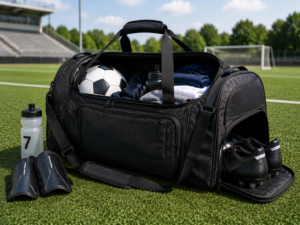
Travel bags require materials that can handle long-distance transport, changing environments, and occasional exposure to rain or spills. At the same time, they must remain lightweight enough for convenient carrying.
Among all options, TPU-coated polyester is one of the most widely used materials for travel bags. It provides strong waterproof performance while maintaining a relatively light structure, making it suitable for airport travel, business trips, and outdoor journeys. Compared with basic fabric covers, coated materials offer significantly better protection against moisture and external pressure during transport.
Tote Bags
Tote bags are designed for everyday convenience, so the lining material must be lightweight, flexible, and easy to maintain. Nylon and polyester are the most commonly used materials in this category.
Nylon is valued for its lightweight structure and water-resistant properties, making it ideal for casual daily use. Polyester offers better durability and shape stability, making it suitable for frequent use and long-term applications. Both materials are easy to clean and widely used in shopping totes, commuter bags, and casual lifestyle products.
Lunch Bags
Lunch bags require waterproof lining materials that are safe for food contact and easy to clean. Hygiene, leakage protection, and moisture resistance are the key performance requirements in this category.
TPU-based linings and food-grade PUL materials are commonly used because they provide a sealed waterproof barrier while maintaining safety standards for food storage. These materials also help preserve food freshness by reducing moisture and external contamination. Ensuring food-safe certification is essential for lunch bag applications, especially in products designed for children and daily meal transport.
Specialty Bags
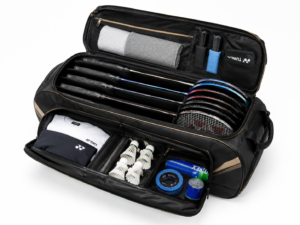
Specialty bags such as camera bags, medical bags, and electronic storage bags require higher protection levels due to the sensitivity of their contents. These products must provide both waterproof performance and impact resistance.
Neoprene is widely used because it offers cushioning properties along with water resistance, making it suitable for protecting fragile or high-value items. PVC materials are also commonly used for their complete waterproof structure and strong durability, especially in demanding environments.
Manufacturer Waterproof Ratings Explained
When selecting waterproof bags, you will often see technical ratings listed in product specifications. These values are used by manufacturers to indicate how well a material performs under controlled testing conditions. Although they may appear complex at first, they become easy to understand once you know how they are structured.
In most cases, waterproof materials are evaluated using two key performance indicators: water resistance (waterproof rating) and breathability. These metrics help determine how well a fabric can protect against moisture while still allowing air circulation when needed.
Waterproof ratings are typically measured in laboratory conditions using a hydrostatic head test, which calculates how much water pressure a fabric can withstand before leakage occurs. The higher the rating, the stronger the fabric’s resistance to water penetration.
Some manufacturers may also use additional testing methods such as wind pressure or environmental simulation tests to evaluate fabric performance under more realistic usage conditions.
It is important to note that a high waterproof rating alone does not guarantee full protection. In real applications, overall performance also depends on factors such as DWR (Durable Water Repellent) coating, seam sealing technology, and long-term wear resistance. If these protective layers degrade over time, water resistance can be significantly reduced even if the base fabric has a high rating.
Conclusion
The performance of a bag is closely linked to the waterproof lining material used in its construction. Different applications require different levels of protection, flexibility, and durability, which makes material selection a critical step in product development.
For manufacturers and brands, choosing the right lining fabric not only improves product performance but also enhances market competitiveness and user satisfaction across different bag categories.