Choosing the right custom racket bag OEM manufacturer requires evaluating more than price. A reliable manufacturer should have professional sports bag experience, strong OEM/ODM development capability, stable quality control, flexible customization options, and proven production management to support long-term brand growth.
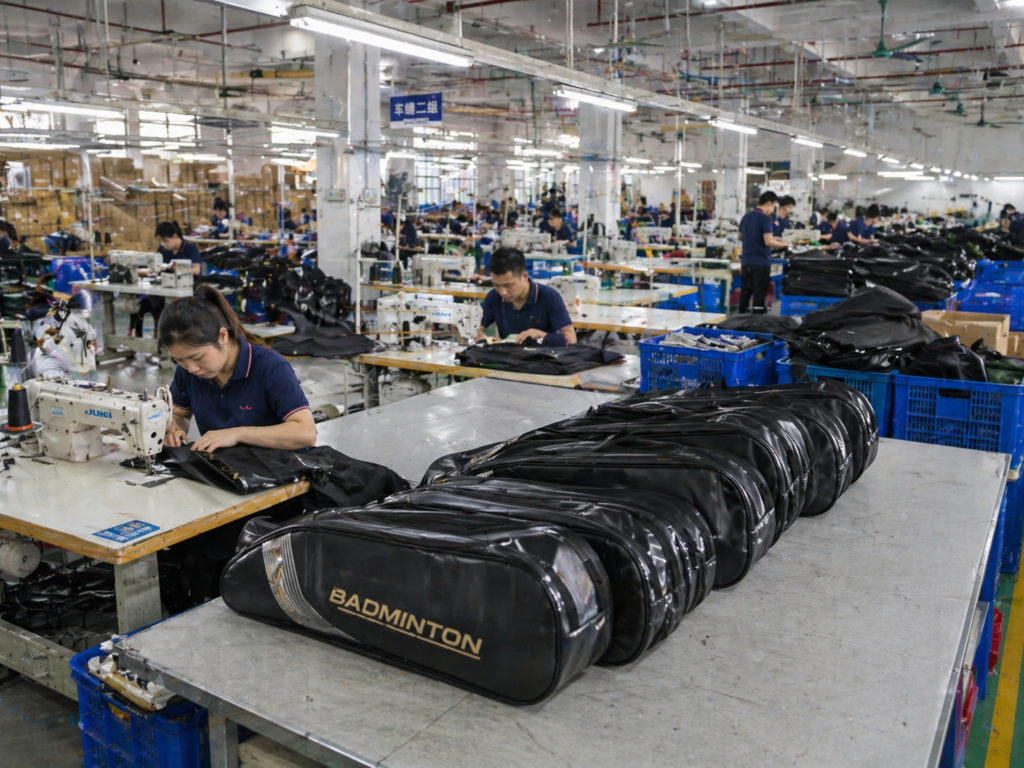
For sports brands, retailers, and distributors, a racket bag is not simply a storage product. It is a product that represents brand value, user experience, and market competitiveness. A poorly designed or unstable product can lead to customer complaints, delayed launches, and unnecessary costs. A professional racket bag supplier should understand sports scenarios, product structure, material performance, and the requirements of commercial production.
Selecting the right manufacturing partner is a critical step. The ideal factory should not only produce bags according to specifications but also provide technical support, product improvement suggestions, and reliable delivery throughout the entire development process.
Why Is Choosing the Right Custom Racket Bag Manufacturer Important?
A custom racket bag manufacturer directly affects product quality, production efficiency, and brand reputation. The right supplier helps transform product concepts into market-ready sports bags with consistent performance.
Many buyers make the mistake of focusing only on unit price when searching for a racket bag supplier. However, the lowest quotation does not always create the lowest total cost. A cheaper supplier may reduce material quality, simplify production processes, or lack the experience needed to manage complex customization requirements.
For example, a sports brand in the United States once selected a supplier mainly because of competitive pricing. During the first production run, the brand discovered that the final products had differences compared with the approved samples. The padding inside the racket compartment was thinner, the zipper performance was weaker, and several stitching areas required rework. The company eventually spent more time and money solving quality problems than the initial price difference.
This situation is common in the sports bag industry. Racket bags require detailed manufacturing knowledge because they combine protection, comfort, durability, and appearance.
A professional custom racket bag manufacturer should understand:
| Key Area | What Professional Manufacturers Provide |
|---|---|
| Product structure | Functional compartments and protective design |
| Material selection | Suitable fabrics, linings, foam, and accessories |
| Production technology | Stable stitching, reinforcement, and assembly |
| Custom development | Support for unique brand requirements |
| Quality control | Consistent results from samples to bulk production |
The right factory becomes more than a production source. It becomes a development partner that helps brands create reliable products.
What Manufacturing Experience Should a Racket Bag OEM Factory Have?
A qualified racket bag OEM factory should have specific experience in sports bags rather than general bag production. Sports products require different technical knowledge because they are designed for active users and frequent movement.
Understanding Sports Usage Improves Product Design
A racket bag must solve real user problems. Athletes need protection for rackets, convenient storage for accessories, and comfortable carrying during training or travel.
Experienced manufacturers understand important design details, including:
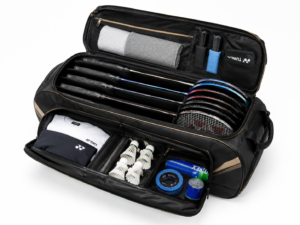
- Racket compartment dimensions
- Protective foam thickness
- Internal divider structure
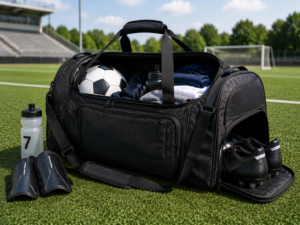
- Shoe storage solutions
- Wet and dry separation
- Water-resistant material selection
- Shoulder strap comfort
- Weight distribution
For example, a six-racket tennis bag requires stronger support compared with a small badminton bag. The handle reinforcement, stitching method, and internal padding must be adjusted based on the expected load.
A factory without sports bag experience may produce a visually attractive product but miss important functional details. This can create problems after customers start using the product.
Professional sports bag manufacturers usually have experience producing:
| Product Category | Application |
|---|---|
| Tennis racket bags | Professional and recreational tennis users |
| Badminton bags | Lightweight equipment storage |
| Pickleball bags | Growing sports market demand |
| Training bags | Fitness and team applications |
| Duffel bags | Travel and sports equipment storage |
This industry experience allows manufacturers to provide better recommendations during development and reduce unnecessary modifications.
How Does OEM and ODM Capability Affect Custom Racket Bag Development?
OEM and ODM capability is one of the most important factors when selecting a custom racket bag supplier. Brands often need unique designs that match their market position instead of standard products available everywhere.
Professional Development Requires Technical Knowledge
A strong OEM manufacturer should support the complete product development process:
- Product concept discussion
- Structure evaluation
- Material recommendation
- Prototype development
- Sample adjustment
- Production confirmation
- Bulk manufacturing
Many buyers provide reference images, competitor samples, or basic sketches. A professional manufacturer should analyze these requirements and provide practical production solutions.
For example, a customer may request a premium-looking racket bag with a lightweight structure. The factory needs to balance appearance, durability, and production cost. Using a thicker fabric may improve durability but increase weight. Adding more padding may improve protection but affect portability.
Experienced manufacturers understand these trade-offs.
ODM capability also provides advantages for brands looking to expand product collections. Instead of developing only one product, brands can create complete sports collections including:
- Racket bags
- Sports backpacks
- Shoe bags
- Training bags
- Accessory organizers
A manufacturer with design and development capability can help create products with consistent style and better market positioning.
Which Materials and Production Details Should Be Checked Before Choosing a Manufacturer?
Material quality and production technology directly influence the durability and appearance of custom racket bags. Professional buyers should carefully evaluate these details before placing bulk orders.
Material Selection Determines Product Performance
Different markets require different material solutions. A premium sports brand may need high-density fabrics with advanced finishing, while a training program may prioritize durability and cost efficiency.
Common materials include:
| Material | Benefits |
|---|---|
| Polyester fabric | Durable, lightweight, cost-effective |
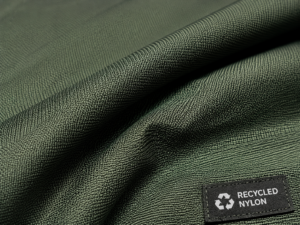
| Nylon fabric | Strong abrasion resistance |
| PU coating | Improved water resistance |
| EVA foam | Racket protection and structure support |
| Mesh fabric | Better ventilation |
| Premium lining | Improved user experience |
Production details are equally important. Buyers should review:
- Stitching strength
- Seam reinforcement
- Zipper quality
- Buckle durability
- Logo application methods
- Edge finishing
- Packaging quality
Logo customization also affects product appearance. Professional factories should support different techniques such as embroidery, heat transfer, rubber badges, and printed logos.
A reliable manufacturer understands that small details influence the final retail experience. A well-made zipper, comfortable strap, and clean logo application can significantly improve customer perception.
How Important Are Quality Control Systems in Racket Bag Production?
Quality control is one of the most important factors when selecting a racket bag OEM factory. Consistent quality between samples and mass production determines whether a product can succeed in the market.
Strong Quality Management Reduces Production Risk
A professional manufacturer should have quality checks throughout the production process.
| Quality Control Stage | Inspection Focus |
|---|---|
| Incoming materials | Fabric, accessories, colors, and specifications |
| Cutting process | Size accuracy and material efficiency |
| Sewing process | Stitch quality and reinforcement |
| Assembly process | Structure and function |
| Final inspection | Appearance and performance |
Many brands experience problems because suppliers only inspect finished products. Professional factories understand that quality should be controlled from the beginning.
For racket bags, important testing points include:
- Shoulder strap load strength
- Zipper opening and closing performance
- Fabric durability
- Color consistency
- Handle reinforcement
- Shape stability
A manufacturer with strong quality control can provide more predictable production results. This is especially important for brands that sell through retail channels where product complaints can directly affect reputation.
What Production Capability Should a Reliable Racket Bag Supplier Have?
Production capability determines whether a manufacturer can support both product development and commercial orders. A reliable factory should have enough resources to manage different project sizes and timelines.
Factory Capability Supports Long-Term Cooperation
Important production capabilities include:
| Capability | Business Value |
|---|---|
| Experienced workers | Stable craftsmanship |
| In-house production management | Better quality control |
| Flexible MOQ support | Easier product testing |
| Multiple production lines | Better delivery ability |
| Export experience | Smoother international cooperation |
Brands often begin with sample development and small trial orders before increasing volume. A flexible factory can support this process and maintain quality standards.
Direct factory ownership is also valuable because it allows better control over production schedules, materials, and quality requirements. Factories managing their own production can respond faster when changes are needed.
A professional supplier should also understand international requirements, including packaging standards, labeling, inspection procedures, and shipping coordination.
How Can Buyers Evaluate a Custom Racket Bag Manufacturer Before Cooperation?
Before selecting a supplier, buyers should review factory experience, samples, communication quality, and production management ability.
A Practical Evaluation Checklist
A professional evaluation process should include:
| Evaluation Factor | Questions to Consider |
|---|---|
| Factory experience | Does the supplier specialize in sports bags? |
| Development ability | Can the factory improve designs and solve problems? |
| Sample quality | Does the sample match expected standards? |
| Production ability | Can quality remain stable during bulk orders? |
| Communication | Are responses clear and efficient? |
| Service support | Can the supplier support future product development? |
The best manufacturer is not always the cheapest option. A strong supplier should provide value through product expertise, manufacturing stability, and long-term cooperation ability.
For sports brands, choosing the right racket bag OEM manufacturer creates a foundation for successful product launches and sustainable market growth.
Conclusion
Choosing a custom racket bag OEM manufacturer requires careful evaluation of experience, product development ability, quality control, and production strength. A professional factory helps brands create durable, functional, and market-ready sports bags with reliable long-term support.