Choosing the right tennis bag depends on three key factors: size, features, and materials. The best tennis bag should match playing habits, equipment needs, and usage scenarios while providing enough protection, storage space, and carrying comfort.
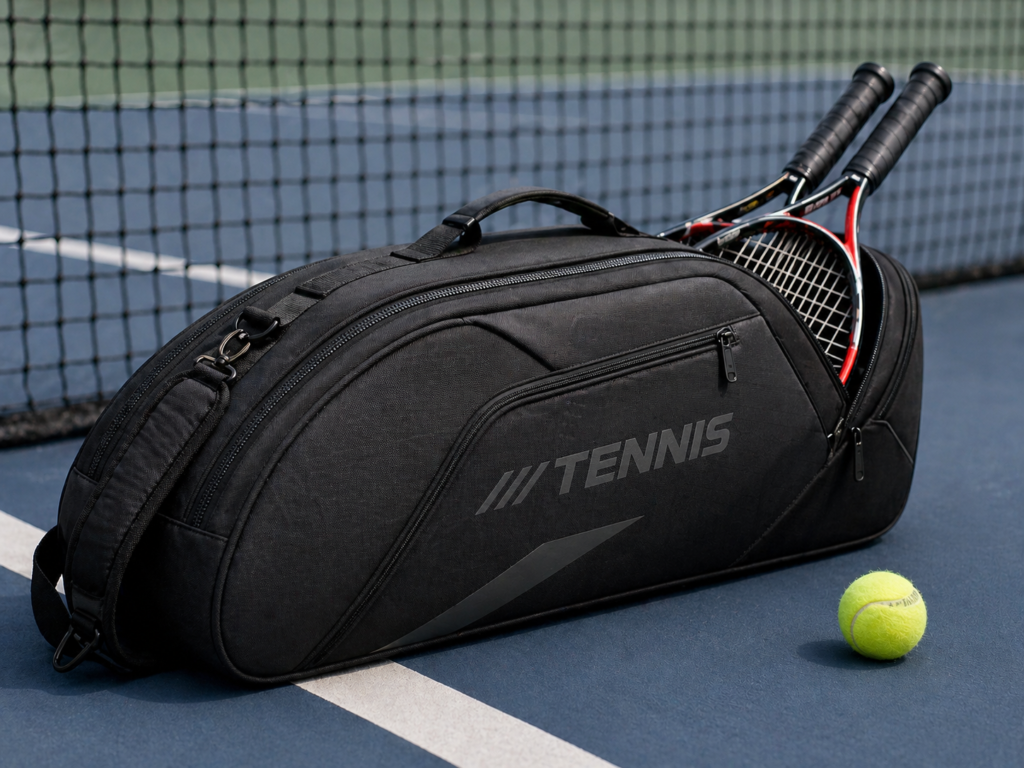
A tennis bag is more than a simple accessory for carrying rackets. For players, coaches, clubs, and sports brands, the right bag improves organization, protects valuable equipment, and creates a better experience on and off the court. Different players need different solutions. A beginner may need a compact racket bag, while competitive players often require larger designs with thermal protection, shoe compartments, and multiple storage areas.
Understanding size options, functional features, and material choices helps buyers select a tennis bag that provides better performance, durability, and long-term value.
How Do You Choose the Right Tennis Bag Size?
The right tennis bag size depends on the number of rackets, personal equipment, and the way the bag will be used. Tennis bags are available in different capacities, from small racket holders to large professional competition bags.
Tennis Bag Capacity Should Match Playing Needs
The most common mistake when choosing a tennis bag is selecting a size based only on appearance. A bag may look suitable in pictures but become inconvenient when carrying rackets, balls, clothing, shoes, and accessories.
Common tennis bag sizes include:
| Tennis Bag Type | Capacity | Suitable For |
|---|---|---|
| 1–3 racket bag | Small and lightweight | Beginners, casual players, short sessions |
| 3–6 racket bag | Medium capacity | Regular players and club members |
| 6–9 racket bag | Large capacity | Competitive players and coaches |
| 9–12 racket bag | Professional capacity | Tournament players and serious users |
A 3-racket bag is usually enough for recreational players who only bring one or two rackets to the court. It provides easy carrying and simple storage without unnecessary weight.
A 6-racket bag is one of the most popular choices because it balances capacity and portability. It can store multiple rackets, balls, towels, personal items, and small accessories.
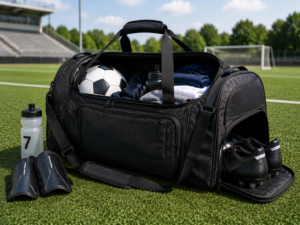
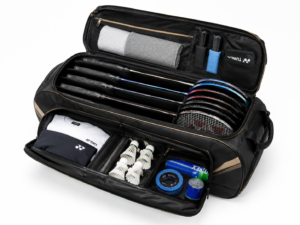
Professional players and coaches often choose larger tennis bags because they need additional equipment. These bags may include separate compartments for several rackets, shoes, clothing, and training tools.
For brands developing custom tennis bags, understanding different user groups is also important. A youth tennis collection may focus on lightweight designs, while a professional series may require larger capacity and advanced protection features.
What Features Should a High-Quality Tennis Bag Have?
A good tennis bag should provide practical features that improve equipment protection, organization, and carrying comfort. The best design combines function with user habits.
Essential Features That Improve User Experience
Modern tennis bags include many features designed around real playing conditions.
Important features include:
| Feature | Function |
|---|---|
| Racket compartments | Protect rackets from impact and scratches |
| Thermal lining | Helps protect rackets from temperature changes |
| Shoe compartment | Keeps shoes separated from clean equipment |
| Accessory pockets | Stores keys, phones, grips, and small items |
| Water bottle pocket | Provides convenient hydration storage |
| Ventilation system | Reduces moisture and odor |
| Padded straps | Improves carrying comfort |
Racket protection is one of the most important functions. Tennis rackets are sensitive equipment, and repeated impact or temperature changes can affect performance. Many premium tennis bags use padded compartments or thermal insulation materials to provide better protection.
Storage organization also affects user satisfaction. A well-designed tennis bag should allow players to quickly find their equipment before and after matches.
For example, a competitive player may need separate spaces for:
- Multiple rackets
- Tennis balls
- Shoes
- Towels
- Clothing
- Personal accessories
Poor internal organization can make a large bag difficult to use. Professional tennis bag designs focus on creating practical storage systems instead of simply increasing capacity.
Which Materials Are Best for Tennis Bags?
The material choice directly affects tennis bag durability, appearance, weight, and performance. Different materials provide different benefits depending on the product positioning.
Understanding Tennis Bag Materials
Common tennis bag materials include:
| Material | Advantages |
|---|---|
| Polyester | Durable, cost-effective, widely used |
| Nylon | Lightweight with strong abrasion resistance |
| PU coating | Improves water resistance and appearance |
| EVA foam | Provides racket protection and structure |
| Mesh fabric | Improves ventilation |
| Premium lining fabric | Enhances product experience |
Polyester is one of the most common materials for tennis bags because it provides good durability and production flexibility. It works well for many market segments, from entry-level products to professional sports collections.
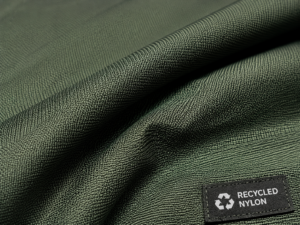
Nylon is often selected for premium tennis bags because it offers better strength-to-weight performance. It can create lightweight products without sacrificing durability.
Water-resistant coatings are also important because tennis players often use bags outdoors. A sudden change in weather should not damage rackets, clothing, or accessories.
The internal structure is equally important. EVA foam, padded dividers, and reinforced panels help protect rackets during transportation.
For sports brands developing custom tennis bags, material selection should consider:
- Target customer group
- Product price positioning
- Expected usage frequency
- Brand image
- Manufacturing requirements
Choosing the right combination of materials creates a better balance between cost, performance, and customer expectations.
How Does Tennis Bag Design Affect Comfort and Daily Use?
A tennis bag can have excellent storage space and materials, but poor carrying design can reduce the overall user experience. Comfort is an important factor, especially for players who carry equipment frequently.
Ergonomic Design Creates Better Carrying Experience
Important comfort features include:
| Design Element | Benefit |
|---|---|
| Adjustable shoulder straps | Fits different body types |
| Padded back panel | Improves comfort when carrying |
| Reinforced handles | Supports heavier loads |
| Balanced weight distribution | Reduces shoulder pressure |
| Lightweight structure | Makes transportation easier |
A tennis bag should distribute weight evenly. If all weight is concentrated in one area, users may feel uncomfortable after long periods of carrying.
Professional designs consider how players move between courts, clubs, gyms, and tournaments. The bag should remain comfortable whether carried by hand, shoulder, or back.
For custom tennis bag development, manufacturers need to consider both appearance and function. A stylish design may attract customers, but comfort and usability determine long-term satisfaction.
Many successful sports brands focus on creating products that combine modern appearance with practical features. This approach helps build stronger customer loyalty.
What Should Brands Consider When Developing Custom Tennis Bags?
For sports brands, selecting the right tennis bag manufacturer requires understanding more than product appearance. A reliable manufacturing partner should have experience with materials, structure development, customization, and quality control.
Professional Manufacturing Supports Better Product Development
Custom tennis bag development usually involves several stages:
| Development Stage | Key Work |
|---|---|
| Concept planning | Define market position and customer needs |
| Design development | Create product structure and appearance |
| Material selection | Choose suitable fabrics and components |
| Sample production | Test design and functions |
| Quality evaluation | Confirm standards before production |
| Bulk manufacturing | Produce consistent products |
Experienced manufacturers understand that a successful tennis bag requires cooperation between design and production teams.
For example, a brand may request a premium tennis bag with multiple compartments and lightweight construction. The factory needs to balance material strength, sewing technology, production cost, and final weight.
Professional manufacturers can provide suggestions on:
- Better fabric choices
- More practical compartment layouts
- Stronger reinforcement methods
- More efficient production solutions
This technical support helps brands create products that perform well in real markets.
How Can Buyers Select the Best Tennis Bag for Their Needs?
Choosing the best tennis bag requires evaluating personal requirements, product features, and expected usage conditions.
A Simple Tennis Bag Selection Checklist
Before purchasing a tennis bag, consider:
| Question | Recommendation |
|---|---|
| How many rackets are carried? | Select capacity based on equipment needs |
| How often is the bag used? | Choose stronger materials for frequent use |
| Is travel required? | Consider larger capacity and protection |
| Are shoes stored inside? | Select a model with shoe compartments |
| Is outdoor use common? | Choose water-resistant materials |
The ideal tennis bag should match the player’s lifestyle. There is no single best size or design for everyone.
A recreational player may value convenience and lightweight construction, while competitive players may require maximum protection and storage capacity.
For brands and retailers, understanding these differences helps create product collections that serve different customer groups.
Conclusion
Choosing the right tennis bag requires careful consideration of size, features, materials, and usage needs. A well-designed tennis bag protects equipment, improves convenience, and delivers better value for players and brands.