In the current sports equipment market, tennis bags are no longer treated as simple accessories. They have become part of the overall product strategy, influencing how brands position themselves and how users perceive value. Standardized designs often lead to direct price competition, while customized products create differentiation and long-term brand recognition.
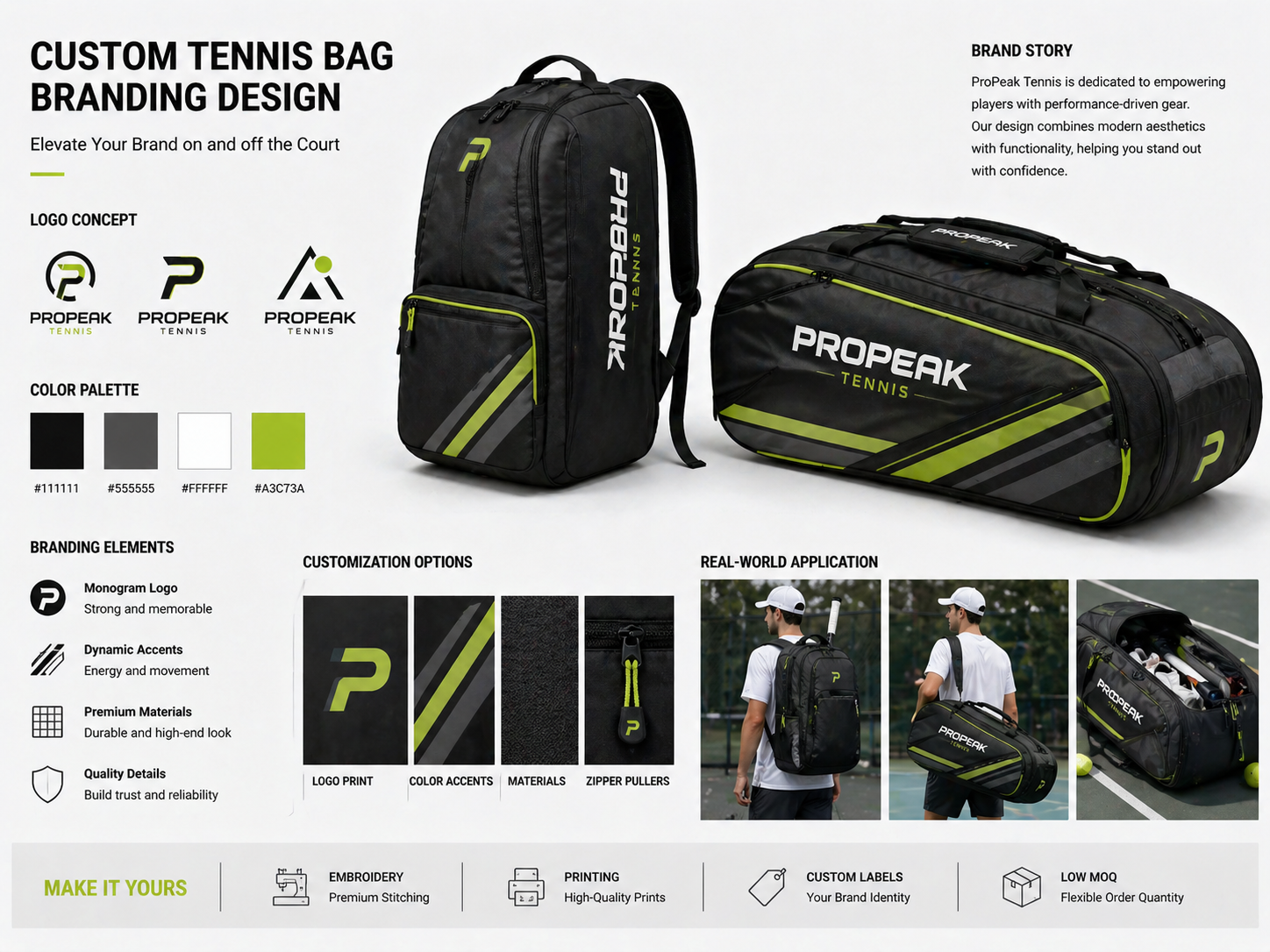
Custom tennis bags allow brands to control structure, materials, functionality, and visual identity. Through OEM customization, brands can improve product performance, reduce negative feedback, and establish stronger market positioning.
Customization is now a key driver behind product innovation and competitive advantage in the tennis bag segment.
What Customization Options Exist in Tennis Bag OEM Production?
Customization in tennis bag manufacturing goes far beyond surface-level branding.
OEM production enables full customization across materials, structure, compartments, and branding, allowing brands to build products tailored to specific user needs and market segments.
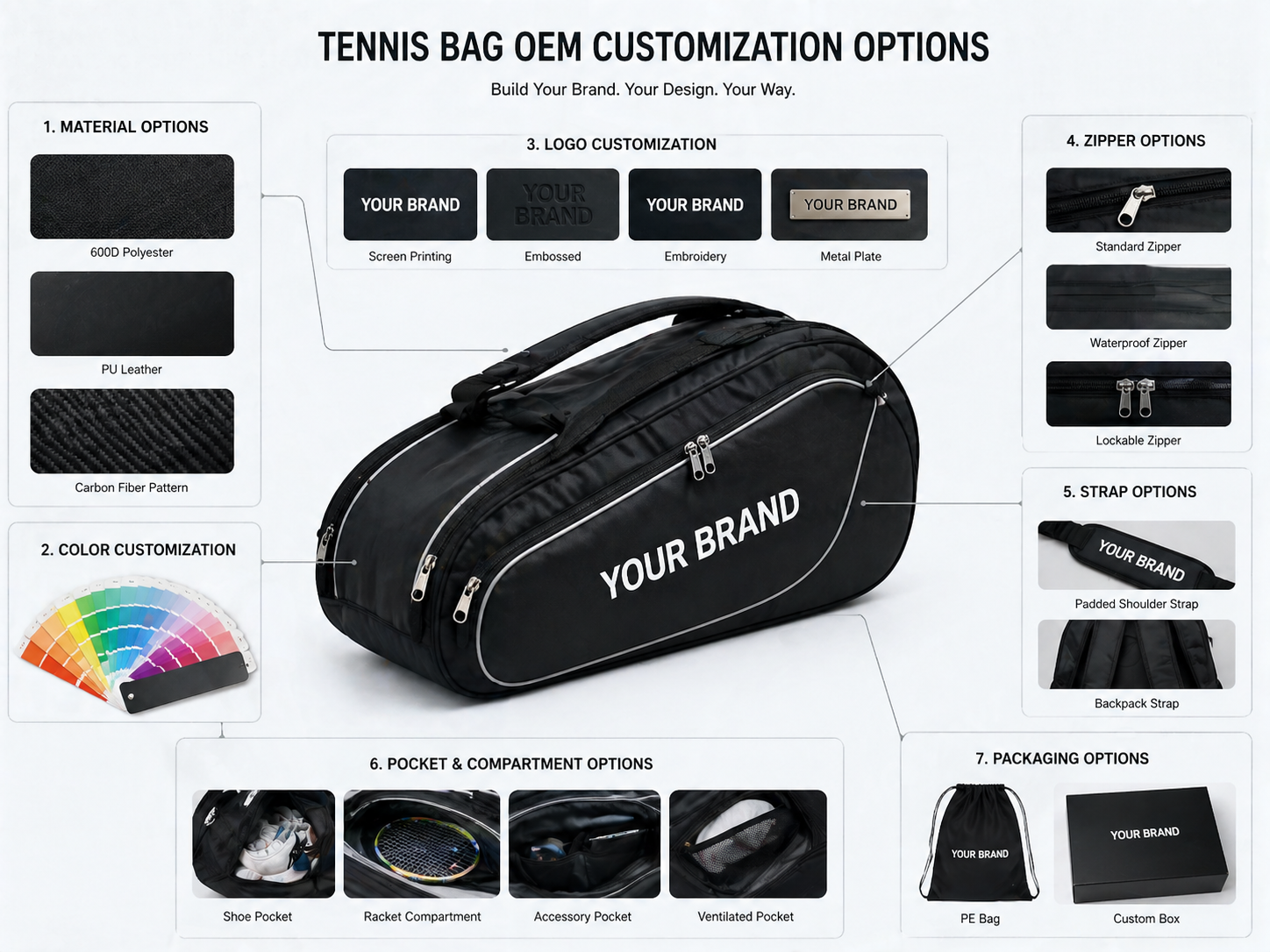
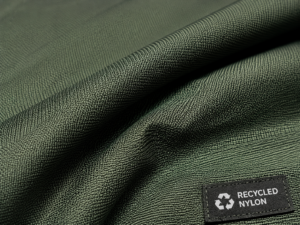
At the structural level, customization allows adjustment of bag dimensions, internal layout, and load distribution. This is critical for solving common issues such as insufficient capacity or poor internal organization. Material selection further defines durability and user perception, while compartment design determines real usability.
A simplified overview of customization areas:
| Area | Key Focus |
|---|---|
| Materials | Durability, coating, texture |
| Structure | Shape, reinforcement, support |
| Compartments | Functional zoning, size balance |
| Branding | Logo, color, packaging |
Execution quality depends heavily on manufacturing capability. A professional racket bag manufacturer ensures that customization is consistent from sample to mass production, reducing risks related to quality variation.
How Does Customization Improve Product Functionality?
Functionality is one of the main reasons brands move toward customization.
Custom development allows optimization of storage layout, structural strength, and usability, directly addressing common product failures seen in standard designs.
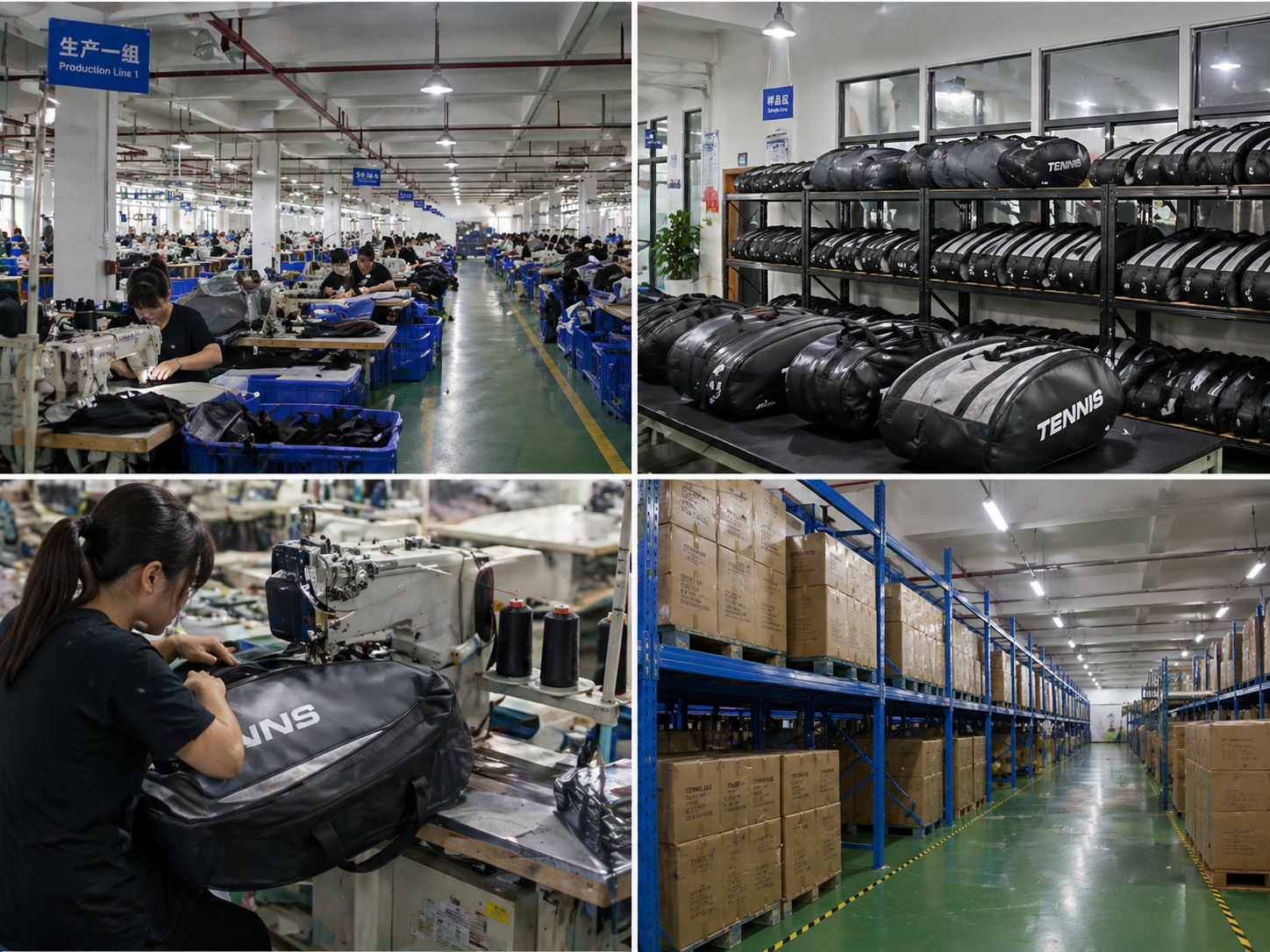
Market feedback frequently highlights issues such as poor compartment layout, lack of shoe storage, and limited usable space. These problems are often caused by generic designs that do not reflect real usage scenarios.
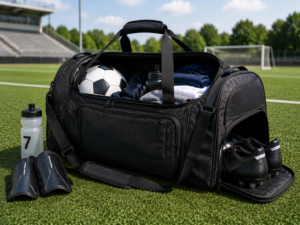
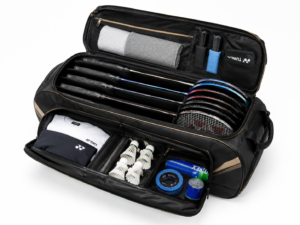
Through customization, internal layouts can be redesigned based on actual user behavior. For example, separating racket storage from shoe compartments prevents space conflicts, while optimizing pocket dimensions improves accessibility. Structural reinforcement can also be added to prevent deformation under load.
This functional improvement reduces negative reviews and enhances user satisfaction, which directly impacts product performance in the market.
How Do Custom Sports Bags Help Brands Build Market Differentiation?
Differentiation is essential in a market where many products appear similar.
Custom sports bags enable brands to create unique product identities, avoid price competition, and offer features that competitors cannot easily replicate.
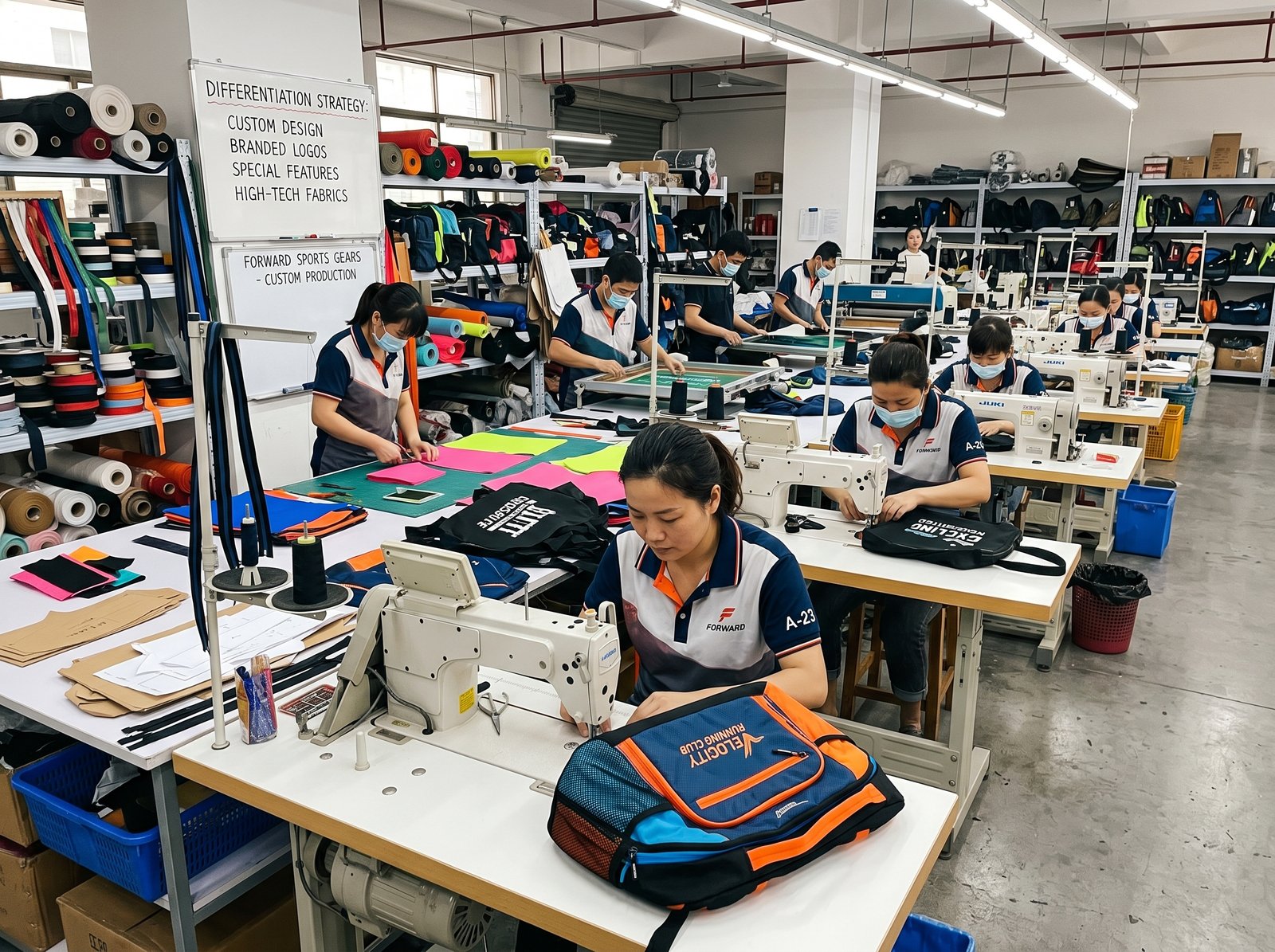
Standard products often lead to price-driven competition. When multiple brands offer similar designs, margins decrease and brand value weakens. Customization introduces exclusivity by combining functional improvements with unique visual identity.
This includes:
- Specialized compartment structures
- Distinctive color systems
- Integrated branding elements
The result is a product that stands out both visually and functionally.
| Strategy | Outcome |
|---|---|
| Unique design | Reduced competition |
| Functional upgrades | Higher satisfaction |
| Brand consistency | Stronger recognition |
Brands working with a reliable tennis bag supplier can align these strategies with production capabilities, ensuring that differentiation is supported by consistent quality.
How Does Customization Support Multi-SKU Product Development?
Product line expansion is a key strategy for growing brands.
Customization enables brands to develop multiple product variations efficiently, supporting different price levels, user groups, and usage scenarios.
Instead of relying on a single design, brands can create a product family. For example, a core design can be adapted into different sizes, color variations, or feature sets. This allows brands to target beginners, intermediate players, and professionals within the same product line.
From a manufacturing perspective, modular design plays an important role. Shared components reduce development cost, while customized elements create differentiation between models.
This approach improves market coverage and allows brands to respond more quickly to changing demand.
What Key Design Elements Define a Successful Custom Tennis Bag?
Customization must be supported by strong design fundamentals.
A successful custom tennis bag integrates structure, materials, compartment layout, and ergonomics into a cohesive system that delivers both performance and durability.
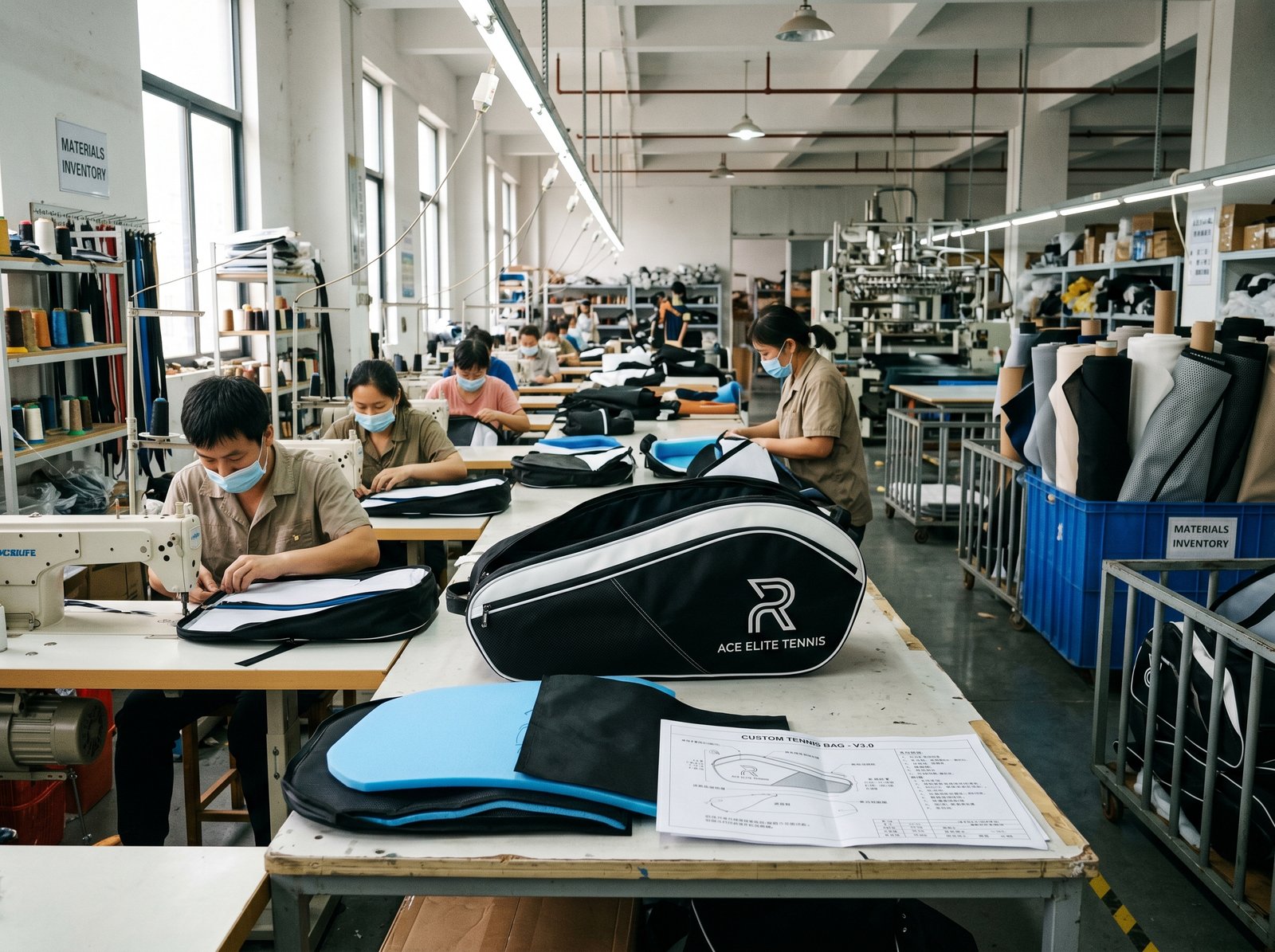
Structural stability is essential for maintaining shape and protecting contents. Reinforced panels and base support systems prevent collapse under load. Material selection determines resistance to wear and environmental conditions, while also influencing perceived quality.
Compartment design directly affects usability. Functional zoning ensures that rackets, shoes, and accessories can be stored without interference. Poor layout design often leads to negative feedback, making this a critical area of focus.
Ergonomics completes the design system. Proper strap construction and weight distribution improve carrying comfort, which is especially important for users who travel frequently with their equipment.
How Does Custom Development Reduce Common Product Issues?
Many recurring product issues originate from limitations in standard designs.
Custom development allows brands to address common problems such as zipper failure, weak durability, and poor organization by optimizing materials and construction from the start.
Zipper breakage, for example, is often caused by low-quality components and insufficient reinforcement. By specifying higher-grade materials and improving stitching techniques, this issue can be significantly reduced.
Similarly, structural problems such as collapsing compartments can be solved through better internal support design. These improvements not only enhance product performance but also reduce return rates and after-sales costs.
Testing also plays a key role. Load testing, repeated usage simulation, and structural validation ensure that the product performs reliably in real conditions.
How Do Brands Align Customization with Market Positioning?
Customization must support a clear market strategy.
Successful brands align product design with target users, price positioning, and usage scenarios, ensuring that customization delivers both functional and commercial value.
For example, entry-level products may focus on simplified features and cost efficiency, while premium products emphasize advanced materials and specialized compartments. Without this alignment, even well-designed products may fail to meet market expectations.
Positioning also influences design language. Visual elements, material choices, and feature sets must reflect the intended market segment. This consistency strengthens brand identity and improves recognition across product lines.
Conclusion
Custom tennis bags are transforming sports brands by combining design flexibility with functional performance. Brands that integrate customization into their development strategy can achieve stronger differentiation, improved product quality, and sustainable market growth.