A backpack tote bag is a multifunctional bag that combines the carrying styles of a backpack and a tote bag. It can be carried by hand, over the shoulder, or on the back, making it a flexible choice for work, travel, shopping, sports, and daily use.
The growing demand for versatile bags has made backpack tote bags popular among modern consumers. They provide practical storage, comfortable carrying options, and a stylish appearance. For brands, this product category creates opportunities to develop unique designs through materials, structures, colors, and customization solutions.
What Is a Backpack Tote Bag and How Does It Work?
A backpack tote bag is a hybrid bag design that combines the open-access style of a tote bag with the carrying comfort of a backpack. It usually includes two shoulder straps that allow back carrying and top handles that allow hand carrying.
Main Features of a Backpack Tote Bag
| Feature | Description |
|---|---|
| Multiple carrying options | Hand carry, shoulder carry, and backpack carry |
| Flexible storage | Suitable for daily items, laptops, and accessories |
| Comfortable structure | Designed for longer carrying periods |
| Modern appearance | Combines fashion and functionality |
Unlike traditional backpacks, backpack tote bags often have a wider opening that makes it easier to organize and access items. Unlike normal tote bags, they provide better weight distribution through shoulder straps.
This combination makes them attractive to different customer groups, including office workers, students, travelers, fitness users, and lifestyle consumers.
For brands developing new bag collections, backpack tote bags offer strong product flexibility. A single basic structure can be adjusted into different versions, such as business laptop bags, casual travel bags, sports lifestyle bags, or eco-friendly shopping bags.
Why Are Backpack Tote Bags Becoming More Popular?
Backpack tote bags are growing in popularity because consumers want products that fit multiple lifestyles. People today often move between work, commuting, travel, and leisure activities in the same day.
Reasons Behind Market Demand
| Market Trend | Customer Expectation |
|---|---|
| Multi-purpose products | One bag for different situations |
| Comfortable carrying | Less pressure during daily use |
| Fashion and function | Practical products with better appearance |
| Flexible lifestyle | Bags that adapt to different activities |
Many customers no longer want separate bags for every situation. They prefer products that can move easily between professional and casual environments.
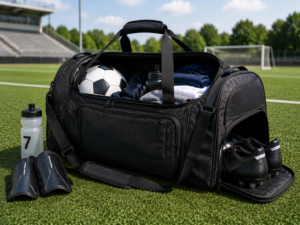
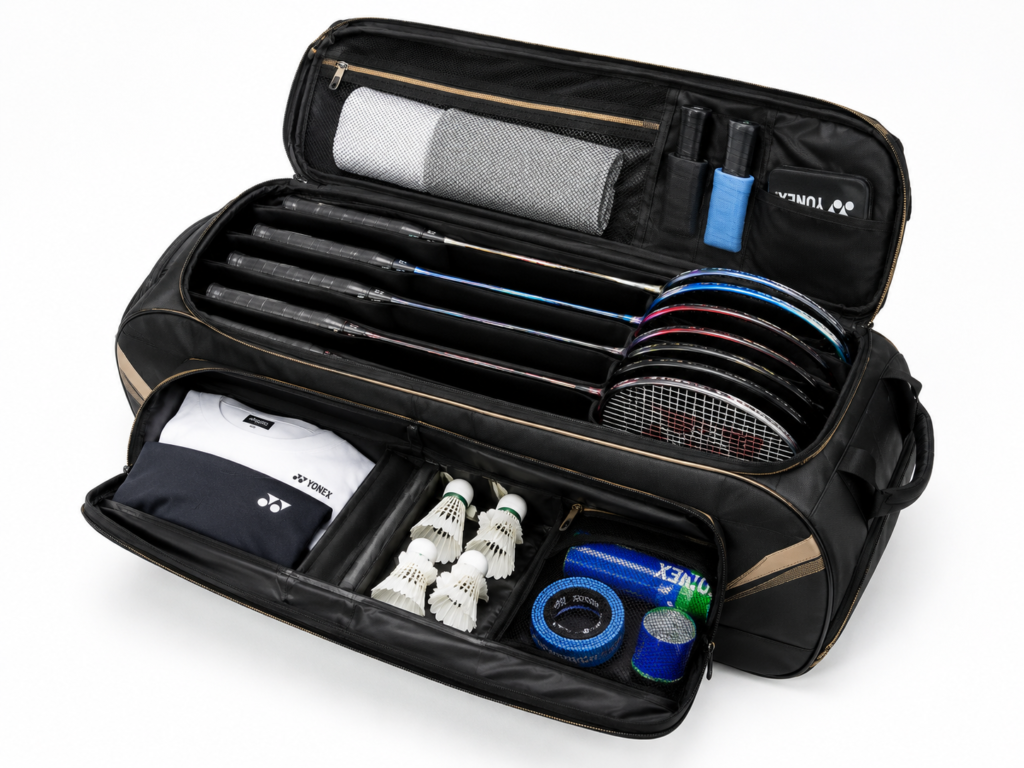
A well-designed backpack tote bag can meet this demand by offering organized storage, comfortable straps, and an attractive design. Features such as laptop compartments, bottle pockets, shoe sections, and hidden pockets can increase product value.
For brands, this category also provides room for product differentiation. The same basic concept can be developed into different market levels by changing materials, accessories, design details, and packaging.
What Materials Are Used to Manufacture Backpack Tote Bags?
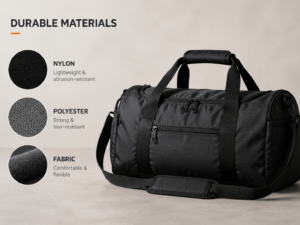
Material selection plays an important role in the quality, appearance, and cost of a backpack tote bag. Different materials create different product experiences.
Common Materials Used in Production
| Material | Advantages |
|---|---|
| Polyester | Cost-effective, durable, and widely used |
| Nylon | Lightweight and abrasion resistant |
| Canvas | Natural appearance and strong structure |
| PU leather | Premium appearance and easy maintenance |
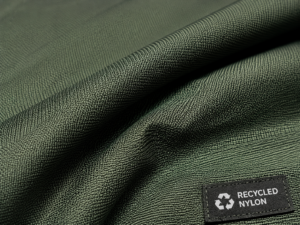
| Recycled fabric | Supports sustainable product positioning |
The right material depends on the target market and product purpose. A business backpack tote bag may require a clean appearance and protective laptop compartment. A travel version may need stronger fabric and water resistance.
Professional manufacturing requires careful material evaluation. Fabric thickness, lining quality, zipper performance, webbing strength, and hardware selection all influence the final product.
A factory with product development experience can help brands select suitable materials based on design goals and customer expectations. This reduces unnecessary cost increases while maintaining product quality.
What Is the Manufacturing Process of a Backpack Tote Bag?
The manufacturing process of a backpack tote bag includes design development, material preparation, cutting, sewing, assembly, quality inspection, and packaging. Each step affects the final product performance.
Main Production Steps
| Production Stage | Main Work |
|---|---|
| Design development | Create structure and product details |
| Material preparation | Select fabrics and accessories |
| Cutting | Cut materials according to patterns |
| Sewing | Assemble different components |
| Quality inspection | Check appearance and function |
| Packaging | Prepare products for shipment |
The first step is product design. Designers need to consider capacity, carrying comfort, appearance, and manufacturing feasibility. A good design should not only look attractive but also be practical for production.
During sampling, manufacturers test the structure and make improvements. This stage helps identify problems such as uncomfortable straps, weak stress points, or difficult assembly processes.
For brands, this development stage is extremely important. A professional factory can provide suggestions based on manufacturing experience, helping improve designs before mass production begins.
How Does Custom Design Work for Backpack Tote Bags?
Custom design allows brands to create unique backpack tote bags that match their market positioning. Customization can include materials, colors, logos, structures, and packaging.
Common Custom Options
| Custom Area | Examples |
|---|---|
| Material | Nylon, polyester, canvas, premium fabrics |
| Color | Brand colors and seasonal designs |
| Logo | Embroidery, printing, rubber patches |
| Structure | Extra pockets, laptop compartments, special functions |
| Packaging | Custom labels and retail packaging |
A successful custom product starts with understanding the target customer. A fashion brand may focus on appearance and materials. A sports brand may focus on durability and storage. A business brand may focus on protection and organization.
Professional OEM and ODM manufacturing support helps brands turn ideas into practical products. Experienced teams can review designs, recommend improvements, create samples, and manage production details.
This process reduces communication problems and helps ensure that the final product matches expectations.
What Quality Standards Should Backpack Tote Bags Meet?
Quality control is essential because backpack tote bags are used frequently and carry important personal items. Small defects can affect customer satisfaction and brand reputation.
Important Quality Checks
| Inspection Area | Purpose |
|---|---|
| Stitching | Ensure strength and clean appearance |
| Zippers | Test smooth operation and durability |
| Straps | Check carrying strength |
| Fabric | Confirm quality and consistency |
| Shape | Maintain correct structure |
A reliable production process includes inspections during different stages, not only after the product is finished. Early quality control helps reduce defects and improves production efficiency.
For brands, stable quality is one of the most important factors when choosing a manufacturing partner. A supplier that understands materials, construction, and customer needs can help create products with better market performance.
How Can Brands Develop Competitive Backpack Tote Bags?
Creating a competitive backpack tote bag requires more than copying existing designs. Brands need products that solve customer problems and offer clear value.
Key Development Considerations
| Area | Focus |
|---|---|
| Function | Storage and carrying comfort |
| Design | Market appeal and brand identity |
| Materials | Durability and product positioning |
| Production | Quality and delivery stability |
Consumers are looking for bags that fit modern lifestyles. A successful backpack tote bag should be comfortable during commuting, practical during travel, and attractive enough for daily use.
For companies developing customized products, working with an experienced factory creates important advantages. A capable manufacturer can support product planning, design improvements, material recommendations, and production management.
With strong OEM and ODM capabilities, factories can help brands create different product lines, from simple daily bags to premium lifestyle collections. This flexibility allows brands to respond faster to market changes and customer preferences.
Conclusion
A backpack tote bag is more than a combination of two bag styles. It is a practical product that meets the modern demand for flexibility, comfort, and design.
For brands, developing a successful backpack tote bag requires careful planning from material selection to final production. The right structure, suitable materials, reliable accessories, and professional manufacturing process all influence the final market performance.
A strong manufacturing partner can help reduce development risks and improve product quality through experience, design support, and production expertise. From initial concepts and prototypes to customized solutions and large-scale production, professional support helps brands create backpack tote bags that match customer expectations.
As consumers continue to look for products that combine style and function, backpack tote bags will remain a valuable category with strong growth potential. Brands that focus on quality, innovation, and practical design can create products that build customer loyalty and achieve long-term success.