OEM and ODM bag manufacturing are two common solutions for brands developing custom bags. OEM allows brands to produce bags based on their own designs, while ODM provides existing designs that can be modified and customized. The best choice depends on brand goals, product experience, budget, and development needs.
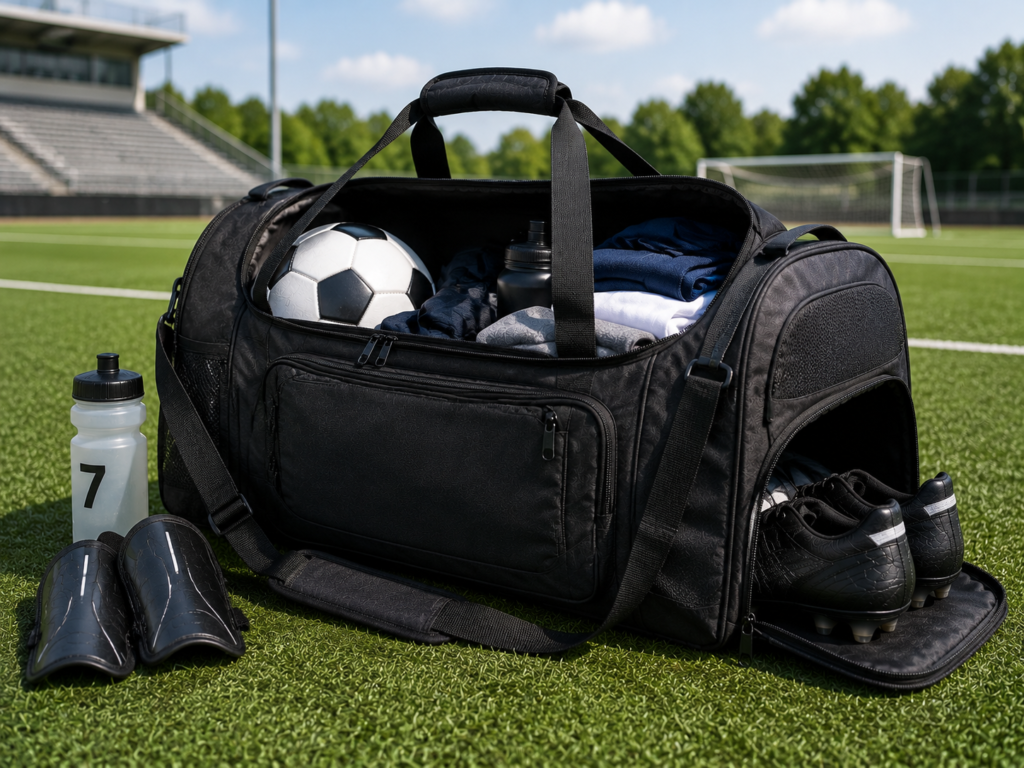
Choosing between OEM and ODM is an important decision when developing backpacks, sports bags, travel bags, fitness bags, or other customized products. The right manufacturing model can influence development speed, product uniqueness, cost control, and market performance.
For brands, the question is not simply which option is better. The better solution depends on whether the goal is creating a completely unique product, launching faster, reducing development risk, or building a long-term product line.
What Is the Difference Between OEM and ODM Bag Manufacturing?
OEM and ODM are different approaches to product development. Both allow brands to work with professional factories, but the level of design involvement and customization is different.
OEM vs ODM Comparison
| Feature | OEM Manufacturing | ODM Manufacturing |
|---|---|---|
| Design ownership | Brand provides design | Factory provides design options |
| Customization level | High | Medium to high |
| Development speed | Longer | Faster |
| Product uniqueness | Higher | Depends on customization |
| Development cost | Usually higher | Usually lower |
| Best for | Established brands | New brands and fast launches |
OEM means the brand controls the product concept. The factory produces the bag according to the brand’s drawings, samples, specifications, and requirements.
ODM means the factory provides product designs that brands can customize. Changes may include materials, colors, logos, packaging, sizes, and functional details.
Both solutions have advantages. The right choice depends on the brand’s resources, market strategy, and product goals.
What Is OEM Bag Manufacturing and How Does It Work?
OEM bag manufacturing allows brands to create products based on their own ideas, designs, or specifications. The factory becomes the production partner that turns the concept into a finished product.
Common OEM Development Process
| Stage | Main Activities |
|---|---|
| Product concept | Brand provides ideas or designs |
| Design review | Factory checks production feasibility |
| Sample development | Creates prototypes |
| Testing and adjustment | Improves structure and details |
| Mass production | Produces final products |
OEM is suitable for brands that already understand their target customers and want strong product differentiation.
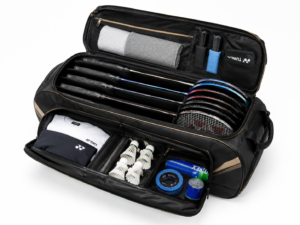
For example, a sports brand may need a unique tennis bag with special compartments, customized materials, and a specific appearance. The brand controls the product direction, while the factory provides manufacturing expertise.
The advantage of OEM is control. Brands can create products that match their vision and build stronger product identity.
However, OEM also requires more preparation. Product development usually takes more time because every detail needs to be discussed, tested, and improved.
For brands, working with an experienced OEM factory reduces development challenges. A capable manufacturer can provide suggestions on materials, structure, production methods, and quality control to make the design more practical.
What Is ODM Bag Manufacturing and Why Do Brands Use It?
ODM bag manufacturing provides brands with ready-developed product concepts that can be customized. It allows companies to enter the market faster without starting from a completely new design.
Benefits of ODM Manufacturing
| Advantage | Value for Brands |
|---|---|
| Faster development | Shortens product launch time |
| Lower development cost | Reduces design investment |
| Factory experience | Uses existing product knowledge |
| Flexible customization | Allows brand identity changes |
ODM is especially useful for brands that want to launch new products quickly or test market demand.
For example, a new fitness brand may want to introduce gym bags but does not have a complete design team. An ODM solution allows the brand to select an existing structure, customize colors and logos, and create a market-ready product.
The factory’s existing experience can also reduce product risks. Since the basic design has already been developed, many structural problems may already have been solved during previous sampling stages.
For brands, ODM provides a practical balance between customization and efficiency.
Which Manufacturing Solution Is Better for New Brands?
For new brands, ODM is often a practical starting point because it reduces development pressure and allows faster market entry. However, OEM can also be a good choice if the brand has a clear product vision and sufficient development resources.
New Brand Considerations
| Situation | Recommended Solution |
|---|---|
| Limited product experience | ODM |
| Need fast market launch | ODM |
| Unique product concept | OEM |
| Strong design capability | OEM |
| Testing new market | ODM |
New brands often need to learn customer preferences before investing heavily in custom development. ODM allows them to test products with lower risk.
After gaining market experience, many brands move toward OEM development to create more unique products and strengthen their competitive position.
A flexible manufacturing partner can support both stages. The same factory may help a brand begin with ODM products and later develop fully customized OEM collections.
Which Solution Is Better for Established Brands?
Established brands often prefer OEM because they already have strong market knowledge and want products that match their brand identity.
Why Established Brands Choose OEM
- Strong product differentiation
- Full control over design details
- Unique market positioning
- Better protection of product concepts
- Ability to create complete product collections
A mature brand may already understand customer preferences, sales channels, and product requirements. OEM allows the brand to develop products that support its long-term strategy.
For example, a sports equipment brand may need a complete collection including racket bags, backpacks, training bags, and travel bags. Each product may require specific functions, materials, and design language.
OEM manufacturing supports this type of product development because the factory works closely with the brand from the early design stage.
Professional manufacturers add value by providing production knowledge. They can identify possible problems, suggest improvements, and ensure the final product can be produced consistently.
How Do Brands Choose Between OEM and ODM?
The best choice depends on several factors, including brand goals, product complexity, budget, and expected timeline.
Key Decision Factors
| Factor | Question to Consider |
|---|---|
| Product goal | Do you need a unique design? |
| Budget | How much development investment is available? |
| Timeline | How quickly should the product launch? |
| Experience | Does the brand have product development knowledge? |
| Market strategy | Is differentiation important? |
A brand looking for speed and efficiency may choose ODM. A brand focusing on uniqueness and long-term product identity may choose OEM.
There is also a middle option. Many brands combine both approaches by starting with ODM foundations and adding OEM-level customization.
This approach allows brands to reduce development time while still creating products that feel unique.
How Can a Professional Factory Support OEM and ODM Projects?
A reliable manufacturing partner plays an important role in both OEM and ODM development. The factory should not only produce bags but also support design improvement, material selection, and production management.
Factory Capabilities That Matter
| Capability | Importance |
|---|---|
| Product design support | Improves development efficiency |
| Material knowledge | Helps select suitable fabrics |
| Sample production | Tests ideas before production |
| Quality control | Ensures product consistency |
| Flexible customization | Supports different brand needs |
A professional factory understands that every brand has different requirements. Some need complete design support, while others need precise production execution.
Strong OEM and ODM capabilities allow manufacturers to provide flexible solutions. From sports bags and racket bags to travel backpacks and fitness bags, experienced factories can support different product categories.
The goal is to create products that meet market needs while maintaining reliable quality and efficient production.
Conclusion
OEM and ODM bag manufacturing both provide valuable solutions for brands. OEM offers more control, stronger customization, and higher product uniqueness. ODM provides faster development, lower risk, and easier market entry.
The best choice depends on the brand’s goals, resources, and development stage. New brands may benefit from ODM solutions when testing the market, while established brands may prefer OEM to create unique product lines.
A professional manufacturing partner can support both approaches through design guidance, material recommendations, product development, and quality management. With the right cooperation model, brands can create bags that match customer expectations and build long-term market value.
Whether developing backpacks, sports bags, travel bags, or customized lifestyle products, choosing the right manufacturing solution helps brands move from ideas to successful products with greater confidence.