Backpacks are one of the most versatile bags used across different industries and daily applications. From school backpacks and travel backpacks to outdoor bags, sports backpacks, and custom backpacks for brands and organizations, each design is developed to meet specific carrying needs.
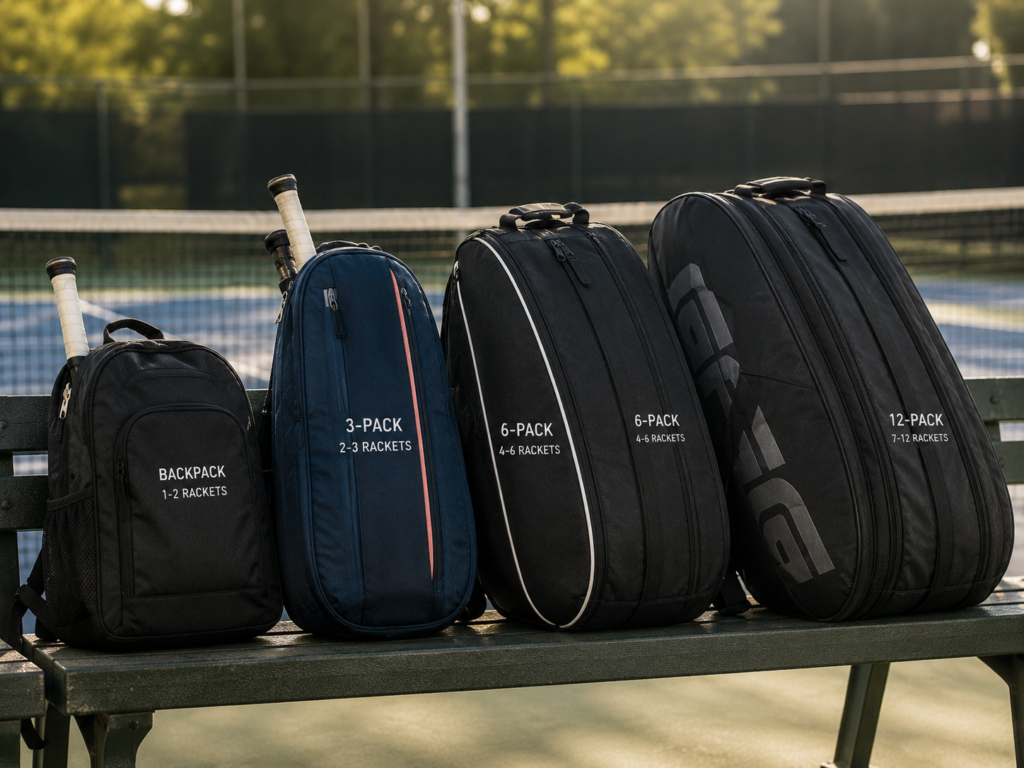
With so many backpack types available, choosing the right option requires more than looking at style and appearance. Factors such as capacity, materials, storage compartments, comfort, durability, and intended use all influence which backpack design works best for different users.
In this complete guide, we will explore the most common types of backpacks, including everyday backpacks, sports bags, business backpacks, outdoor backpacks, and customized backpack solutions. We will also explain their key features, applications, and how businesses can select the right backpack design for their customers and markets.
Quick Guide: What Are the Different Types of Backpacks?
Backpacks are available in many different styles, with each type designed for a specific purpose, carrying capacity, and user requirement. Common backpack categories include daypacks, school backpacks, laptop backpacks, hiking backpacks, hydration packs, tactical backpacks, travel backpacks, camera backpacks, diaper bags, and sports backpacks.
For everyday activities, lightweight backpacks such as daypacks, school bags, and laptop backpacks are popular because they provide convenient storage and comfortable carrying. For outdoor, travel, and professional applications, users often require backpacks with stronger materials, improved support systems, weather resistance, and specialized compartments.
Backpack Types: Quick Comparison
| Backpack Type | Best For | Typical Capacity | Key Features |
|---|---|---|---|
| Daypack | Daily use, commuting, short trips | 10–30L | Lightweight design, basic storage, easy organization |
| School Backpack | Students and campus activities | 15–30L | Book compartment, laptop sleeve, comfortable shoulder straps |
| Laptop Backpack | Office, business travel, commuting | 15–35L | Padded laptop compartment, accessory pockets, device protection |
| Hiking Backpack | Hiking and outdoor activities | 20–50L | Breathable back panel, support system, water-resistant materials |
| Hydration Backpack | Cycling, running, outdoor sports | 5–20L | Water bladder storage, lightweight structure, compact fit |
| Tactical Backpack | Outdoor utility and professional use | 25–50L | Durable fabric, MOLLE system, modular storage options |
| Travel Backpack | Short trips and air travel | 30–45L | Large opening, organized compartments, travel-friendly design |
| Backpacking Pack | Multi-day outdoor adventures | 50–80L | Frame support, hip belt, high-capacity storage |
| Camera Backpack | Photography equipment | 15–40L | Protective padding, adjustable dividers, equipment access |
| Sports Backpack | Gym, team sports, active lifestyles | 15–40L | Shoe compartment, wet/dry storage, breathable materials |
How Backpacks Are Classified
Backpacks can be categorized in different ways, including usage purpose, capacity, structure, materials, and special features.
For example, a school backpack is designed around education and daily carrying needs, while a hiking backpack focuses on comfort, weight distribution, and outdoor durability. Tactical backpacks are built for rugged environments with features such as reinforced materials and modular attachment systems.
For brands, retailers, and wholesale buyers, understanding backpack classifications helps create better product solutions. Factors such as fabric selection, capacity, compartment layout, padding design, zipper quality, water resistance, and customization options should all be considered before developing a backpack collection.
A clear product classification system allows manufacturers and brands to develop backpacks that better match different markets, customer groups, and application scenarios.
Types of Backpacks: Daypacks
Backpacks are no longer limited to carrying books or personal items. Today, different backpack designs are developed for specific lifestyles, industries, and activities. From daily commuting and school use to outdoor adventures, sports, and business travel, each backpack type has unique features, materials, and storage solutions.
Choosing the right backpack depends on several factors, including capacity, carrying comfort, organization needs, durability, and intended application. A student may need a lightweight school backpack, while an outdoor enthusiast may require a high-capacity hiking backpack with advanced support systems.
In this guide, we introduce 8 common backpack types, explain their key features, and help you understand which design is best suited for different users and applications.
1. Daypacks
Overview
Daypacks are lightweight backpacks designed for everyday activities, short trips, commuting, and casual outdoor use. They provide enough storage space for daily essentials while keeping the overall weight comfortable.
Capacity
Most daypacks range from 10L to 30L, suitable for carrying:
- Water bottles
- Small electronics
- Books
- Snacks
- Jackets
- Personal accessories
They are ideal for users who need a compact and comfortable backpack for daily activities rather than heavy-duty travel.
Key Features
Common daypack features include:
- Lightweight construction
- Multiple storage compartments
- Water bottle pockets
- Padded shoulder straps
- Breathable back panels
- Compact structure
Best For
- Daily commuting
- Short outdoor trips
- Casual travel
- Students
- Office workers
Daypacks remain one of the most popular backpack categories because they offer a balance between portability, comfort, and everyday functionality.
2. School Backpacks
Overview
School backpacks are designed for students who need to carry books, stationery, lunch items, and personal belongings every day. They focus on comfort, organization, and durability for long-term use.
Capacity
| User Group | Recommended Capacity |
|---|---|
| Young students | 10-15L |
| Primary school students | 15-20L |
| Teenagers | 20-30L |
| College students | 25-35L |
Key Features
A quality school backpack usually includes:
- Main book compartment
- Pencil organizer
- Water bottle pocket
- Laptop sleeve
- Adjustable shoulder straps
- Reflective safety details
- Durable zippers
Materials
Common materials include:
- Polyester
- Nylon
- Canvas
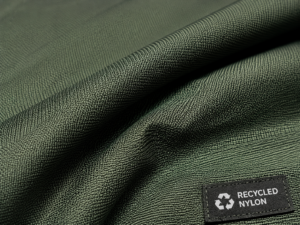
- Recycled fabrics
These materials provide good durability and help backpacks handle daily school environments.
Best For
- Children
- Teenagers
- University students
- Teachers
3. Laptop Backpacks
Overview
Laptop backpacks are designed to protect electronic devices during transportation. They combine professional styling with practical storage for modern work and study needs.
Capacity
Most laptop backpacks range from 15L to 35L and can store:
- Laptops
- Tablets
- Chargers
- Documents
- Accessories
- Personal items
Key Features
Important features include:
- Padded laptop compartments
- Shock protection
- Cable organization
- Water-resistant materials
- Anti-theft pockets
- Quick-access storage
Best For
- Business professionals
- Students
- Remote workers
- Travelers
Laptop backpacks are widely used because they provide both device protection and daily convenience.
4. Hiking Backpacks
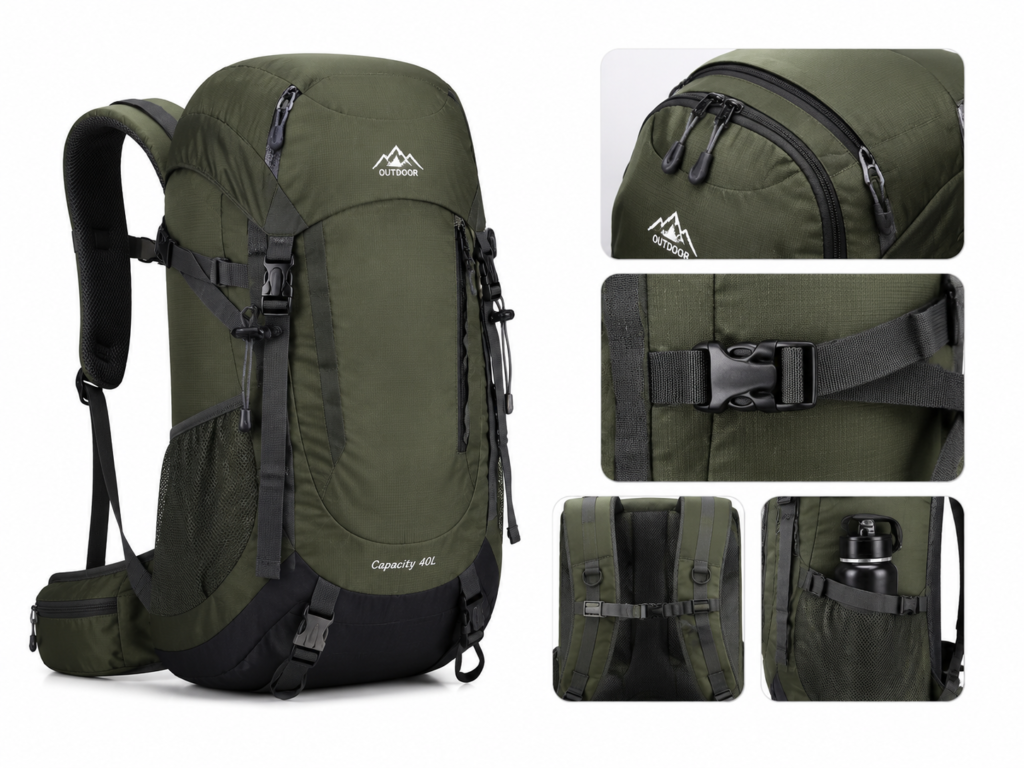
Overview
Hiking backpacks are built for outdoor activities where comfort, durability, and carrying performance are essential. They are designed to support heavier loads over longer distances.
Capacity
| Type | Capacity |
|---|---|
| Short hikes | 20-30L |
| Full-day outdoor trips | 30-50L |
| Multi-day adventures | 50L+ |
Key Features
Hiking backpacks often include:
- Adjustable suspension systems
- Hip belts
- Ventilated back panels
- Water-resistant fabrics
- Gear attachment points
Materials
Common materials:
- Ripstop nylon
- Polyester
- High-strength outdoor fabrics
Best For
- Hiking
- Camping
- Outdoor travel
- Adventure activities
5. Travel Backpacks
Overview
Travel backpacks are designed for travelers who need more flexibility than traditional luggage. They provide large storage capacity while maintaining easy mobility.
Key Features
Travel backpacks commonly include:
- Large main compartments
- Clothing organization areas
- Laptop protection
- Passport pockets
- Compression straps
- Carry handles
Best For
- Business trips
- Weekend travel
- International travel
- Backpacking
A well-designed travel backpack allows users to organize clothing, electronics, and travel essentials efficiently.
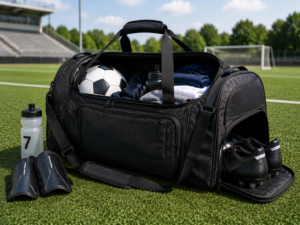
6. Sports Backpacks
Overview
Sports backpacks are designed for athletes and active users who need specialized storage for equipment, clothing, and accessories.
They are widely used for soccer, football, basketball, fitness, and other sports activities.
Key Features
Sports backpacks may include:
- Shoe compartments
- Wet and dry separation
- Ventilated storage
- Water bottle holders
- Ball compartments
- Reinforced bottom panels
Best For
- Athletes
- Sports teams
- Fitness users
- Clubs
Sports backpacks help users keep equipment organized while protecting gear during training and competition.
7. Tactical Backpacks
Overview
Tactical backpacks are designed for demanding environments where durability, flexibility, and storage capacity are important.
They feature rugged construction and modular designs for professional outdoor applications.
Key Features
Typical features include:
- MOLLE webbing
- Reinforced stitching
- Heavy-duty zippers
- Adjustable compartments
- Multiple attachment points
Best For
- Outdoor professionals
- Hunting
- Adventure activities
- Utility applications
Tactical backpacks focus on strength and adaptability for users who require reliable performance.
8. Camera Backpacks
Overview
Camera backpacks are specially designed for photographers and content creators who need safe transportation for valuable equipment.
Key Features
They usually include:
- Padded camera compartments
- Adjustable dividers
- Lens storage areas
- Tripod holders
- Weather protection
Materials
Common materials:
- Water-resistant nylon
- Polyester
- Protective padding
Best For
- Photographers
- Videographers
- Content creators
Camera backpacks provide secure storage while allowing users to access equipment quickly.
Backpack Types Comparison
| Backpack Type | Best Use | Capacity | Main Features |
|---|---|---|---|
| Daypack | Daily activities | 10-30L | Lightweight and compact |
| School Backpack | Education | 10-35L | Organized storage and comfort |
| Laptop Backpack | Work and business | 15-35L | Device protection |
| Hiking Backpack | Outdoor activities | 20-50L+ | Support and durability |
| Travel Backpack | Trips | 30-45L+ | Large storage capacity |
| Sports Backpack | Athletic use | 15-40L | Gear compartments |
| Tactical Backpack | Professional outdoor use | 25-50L | Rugged modular design |
| Camera Backpack | Photography | 15-40L | Equipment protection |
How to Choose the Right Backpack?
Selecting the right backpack depends on the user’s purpose, carrying needs, and usage environment.
Important factors include:
- Required storage capacity
- Carrying comfort
- Material durability
- Weather resistance
- Special compartments
- Frequency of use
For backpack brands, retailers, and wholesale buyers, understanding different backpack categories helps create product collections that meet various customer demands. A complete backpack range usually includes everyday backpacks, school bags, laptop backpacks, outdoor backpacks, and sports bags to cover different markets.
Conclusion
Choosing the right backpack is not only about appearance but also about functionality, comfort, durability, and intended use. Different users have different requirements, from students needing organized storage to travelers requiring larger capacity and outdoor enthusiasts needing reliable support.
For brands, retailers, and manufacturers, offering a complete range of backpack solutions helps meet the needs of different markets. By selecting suitable materials, practical designs, and user-focused features, backpacks can provide better performance and long-term value.
At Raketbag, we specialize in developing customized backpack solutions for various applications, including school backpacks, laptop backpacks, sports bags, travel backpacks, and outdoor backpacks. With professional design support and manufacturing capabilities, we help brands create high-quality backpack products that match their customers’ needs.