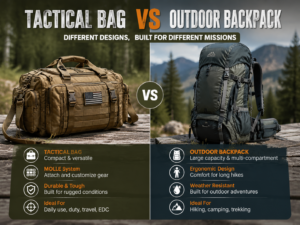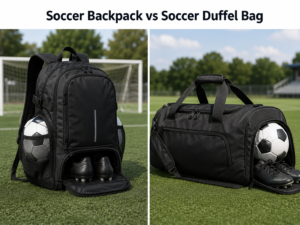
A military backpack usually weighs between 2 and 6 pounds (0.9 to 2.7 kg) when empty. Lightweight tactical models focus on mobility, while heavy-duty designs use stronger materials, larger capacity, and reinforced structures that increase weight.
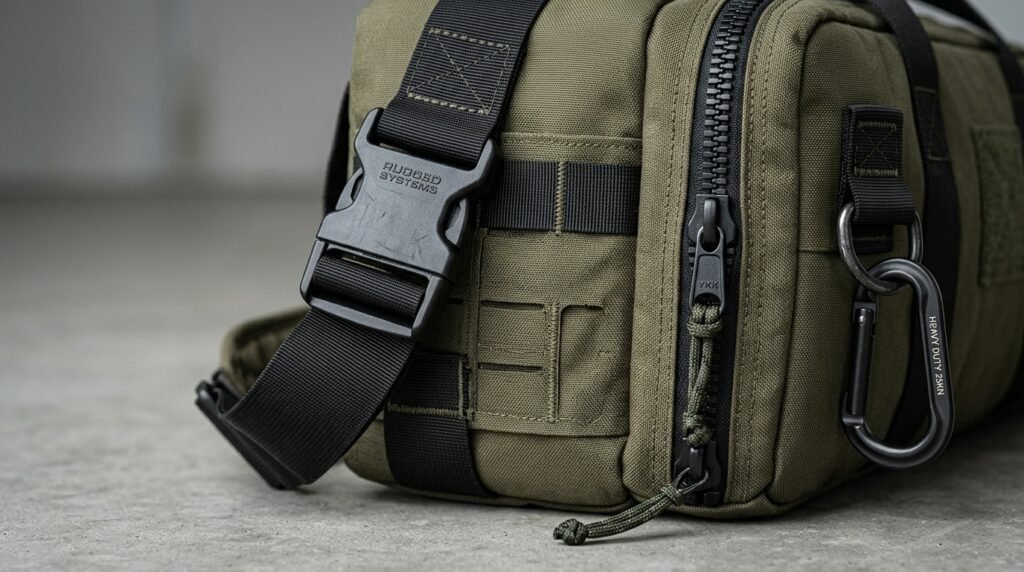
Choosing the right military backpack weight depends on capacity, materials, carrying purpose, and durability needs. A professional backpack must balance strength and comfort because excessive weight can reduce mobility, while a lightweight design may not provide enough protection for demanding outdoor use.
How Much Does a Military Backpack Weigh?
A military backpack can have different weights based on its design, size, and function. Small tactical backpacks may weigh around 2 pounds, while large expedition-style military packs can exceed 6 pounds before adding equipment.
The empty weight of a backpack is an important factor because every extra ounce affects carrying comfort during long missions, outdoor activities, training programs, or travel. A lightweight backpack helps users move faster and reduces body fatigue. A heavier backpack often provides better support, stronger protection, and more storage options.
Weight Range Based on Backpack Size
| Backpack Type | Capacity | Average Empty Weight |
|---|---|---|
| Compact tactical backpack | 10-20L | 1.5-3 lbs |
| Daily military backpack | 20-40L | 2-4 lbs |
| Large tactical backpack | 40-70L | 4-6 lbs |
| Heavy-duty field backpack | 70L+ | 6 lbs or more |
Military-style backpacks designed for professional users usually require stronger structures than ordinary outdoor bags. Features such as reinforced stitching, padded compartments, MOLLE systems, hydration storage, and protective layers all add weight. For brands developing tactical or outdoor products, understanding this balance is important because customers expect durability without unnecessary bulk.
What Factors Affect Military Backpack Weight?
The weight of a military backpack is mainly affected by materials, size, internal structure, and functional features. Every design choice changes the final product weight and user experience.
Material Selection and Fabric Thickness
Fabric choice has a major impact on backpack weight. Common materials include polyester, nylon, and high-density tactical fabrics. Heavier fabrics provide better abrasion resistance and longer service life, while lighter fabrics improve portability.
For professional backpack production, material selection is not only about reducing weight. It also requires considering tear strength, water resistance, color stability, and long-term performance. A well-designed military backpack uses the right balance between fabric strength and overall weight.
Structure and Reinforcement Design
Military backpacks often include reinforced areas because they need to handle heavy loads and frequent use. Extra padding, stronger shoulder straps, reinforced bottom panels, and improved load-bearing systems increase weight but improve reliability.
A professional manufacturing process focuses on reducing unnecessary weight while keeping key stress areas strong. Through pattern optimization, material testing, and structural improvements, modern backpack designs can achieve better comfort without losing durability.
How Do Materials Change Military Backpack Weight?
Materials directly influence the final weight, durability, and market positioning of a military backpack. Different customers require different solutions, from lightweight outdoor products to rugged professional equipment.
Common Material Comparison
| Material | Weight Level | Main Advantage |
|---|---|---|
| Polyester | Medium | Cost-effective and versatile |
| Nylon | Light to medium | Strong and abrasion resistant |
| High-density nylon | Medium to heavy | Excellent durability |
| Reinforced tactical fabric | Heavy | Maximum protection |
Modern backpack development requires careful testing of every component. Fabric, lining, foam, webbing, buckles, and zippers all contribute to the final weight. A small improvement in each part can create a better overall product.
For professional brands, reliable production partners help reduce design risks. Experienced factories can recommend suitable materials based on market position, target customers, and expected usage. This allows a backpack to maintain a premium feel while controlling unnecessary production weight.
Are Military Backpacks Heavier Than Regular Backpacks?
Military backpacks are usually heavier than standard backpacks because they are designed for tougher environments. They require stronger materials, more protection, and more functional features.
Regular backpacks often focus on simple storage and everyday comfort. Military backpacks usually include additional features such as modular attachment systems, reinforced sections, multiple compartments, and weather-resistant designs.
Differences Between Military and Regular Backpacks
| Feature | Military Backpack | Regular Backpack |
|---|---|---|
| Fabric strength | Higher durability | General durability |
| Storage design | Multiple functional compartments | Basic organization |
| Reinforcement | Heavy-duty support | Limited reinforcement |
| Usage environment | Outdoor and demanding conditions | Daily use |
The extra weight of military backpacks provides practical benefits. Stronger structures help protect equipment, while advanced carrying systems improve weight distribution. For product developers, the challenge is creating a backpack that feels professional without becoming uncomfortable.
Manufacturing experience plays an important role in solving this challenge. Professional factories with design and development capabilities can adjust materials, improve patterns, and optimize construction methods. This creates products that meet demanding market expectations while maintaining competitive weight.
How Should the Right Military Backpack Weight Be Selected?
The ideal military backpack weight depends on the intended application, carrying load, and customer expectations. There is no single perfect weight for every user.
Consider These Key Points
| Requirement | Recommended Direction |
|---|---|
| Short outdoor trips | Lightweight tactical backpack |
| Long missions | Larger reinforced backpack |
| Heavy equipment storage | Strong support structure |
| Daily carrying | Medium capacity design |
A successful backpack design starts with understanding the real usage environment. A lightweight model may work well for urban users, while professional outdoor users may need stronger construction and larger storage space.
For brands developing new backpack collections, product flexibility is also important. Custom colors, logo options, materials, compartments, and packaging solutions help create products that match different market needs. Experienced OEM and ODM manufacturers can support development from early design ideas to final production.
How Does Professional Manufacturing Control Backpack Weight?
Controlling backpack weight requires detailed product development, not simply removing materials. Every component must be evaluated for performance, durability, and user comfort.
Product Development and Quality Control
A professional manufacturing process includes:
- Material testing before production
- Structural improvement during sampling
- Load testing for straps and handles
- Inspection of stitching and accessories
- Consistency checks during mass production
A reliable factory understands that a backpack is a complete system. Fabric weight, sewing methods, foam thickness, zipper quality, and reinforcement design must work together.
For brands entering the tactical and outdoor market, supplier capability directly affects product success. Strong design support, experienced sample development, stable production management, and strict quality control help reduce risks and improve customer satisfaction.
Conclusion
Military backpack weight depends on design, materials, capacity, and function. The best products achieve a balance between durability, comfort, and practical performance. A professional manufacturing partner helps create reliable backpacks that meet market demands.