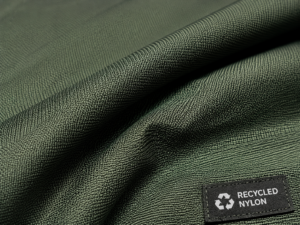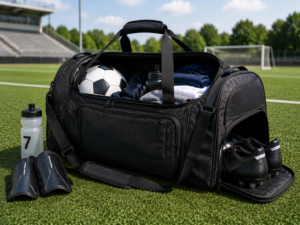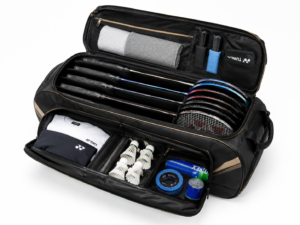
Durable fitness bag materials should provide strength, abrasion resistance, water protection, and long-term performance. Common choices include nylon, polyester, canvas, and specialty fabrics. The right material depends on the bag’s purpose, target users, design requirements, and expected usage environment.
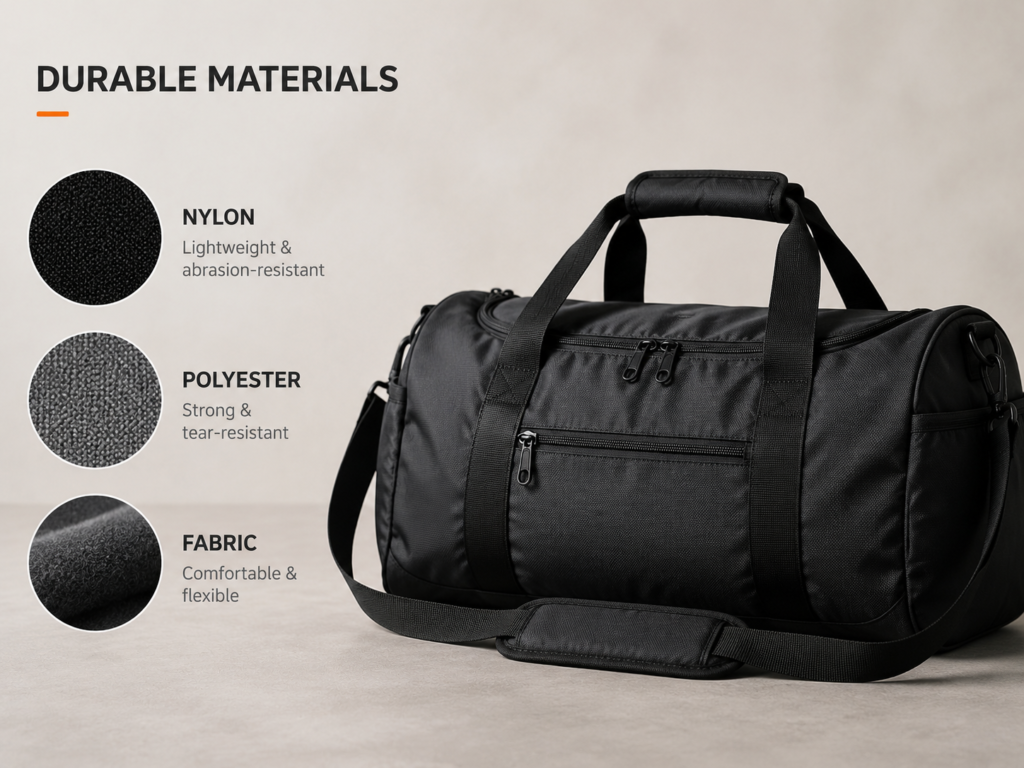
Choosing the right material is one of the most important steps when developing a fitness bag. A bag used for daily training, gym workouts, travel, or outdoor activities needs to handle weight, movement, sweat, and frequent use. Material quality affects not only durability but also appearance, comfort, production cost, and customer satisfaction.
What Materials Are Commonly Used for Fitness Bags?
Fitness bags are made from different materials depending on the required performance, price level, and market positioning. Each fabric has its own advantages and limitations.
Common Fitness Bag Materials Comparison
| Material | Advantages | Suitable Applications |
|---|---|---|
| Nylon | Strong, lightweight, abrasion resistant | Premium gym bags, sports bags |
| Polyester | Durable, affordable, easy to customize | Everyday fitness bags |
| Canvas | Strong structure, natural appearance | Lifestyle and casual sports bags |
| PU Leather | Premium look and easy cleaning | Fashion fitness bags |
| Recycled Fabric | Sustainable and eco-friendly | Green product collections |
Nylon and polyester are the most common materials used in fitness bag manufacturing because they provide a good balance between strength, weight, and cost. However, the best material is not always the strongest one. It should match how customers use the product.
For example, a professional training bag that carries shoes, clothing, and equipment may require stronger fabric and reinforcement. A lightweight fitness bag designed for daily commuting may focus more on comfort and appearance.
Professional product development requires understanding these differences. Experienced manufacturers evaluate materials based on real usage scenarios instead of selecting fabrics only by price.
Why Is Nylon a Popular Choice for Durable Fitness Bags?
Nylon is one of the most widely used materials for high-quality fitness bags because it offers excellent strength while keeping the product lightweight.
Benefits of Nylon Fabric
- High abrasion resistance
- Strong tear resistance
- Lightweight construction
- Good flexibility
- Suitable for outdoor and sports environments
Many premium fitness bags use nylon because users often carry heavy items and expose bags to repeated friction. Gym floors, locker areas, car trunks, and outdoor environments can all create wear pressure.
Different nylon types also create different performance levels. Higher-density nylon usually provides better durability and a stronger surface feel. Some products may also use coatings to improve water resistance and protection.
For brands developing fitness bags, choosing nylon can create a stronger product image. However, the fabric alone does not determine quality. Stitching methods, lining materials, zipper selection, and reinforcement design must also work together.
A professional factory can help brands select suitable nylon specifications according to product goals. This includes balancing durability, weight, appearance, and production cost.
Is Polyester a Good Material for Fitness Bags?
Polyester is another popular choice for fitness bags because it provides reliable performance at a competitive cost. It is widely used for sports products because it is durable, stable, and easy to customize.
Advantages of Polyester
| Feature | Benefit |
|---|---|
| Strength | Handles daily use |
| Color stability | Maintains appearance longer |
| Cost efficiency | Suitable for larger production |
| Customization | Works well with printing and branding |
Polyester is a practical option for brands that need quality products with controlled production costs. It can support different colors, patterns, and logo methods, making it suitable for various market positions.
However, material selection should consider the final product purpose. A basic polyester fitness bag may not need the same specifications as a heavy-duty training bag. The fabric thickness, coating, and construction method will influence the final performance.
For manufacturers, the challenge is creating the right combination of materials and structure. Professional development teams can recommend suitable fabric options based on customer expectations, product positioning, and market demand.
How Do Fabric Thickness and Density Affect Fitness Bag Quality?
Fabric thickness and density directly affect how a fitness bag feels and performs. Stronger fabrics usually provide better durability, but they may also increase product weight and cost.
Important Fabric Factors
| Factor | Effect on Product |
|---|---|
| Fabric density | Improves strength and durability |
| Thickness | Adds protection and structure |
| Coating | Improves water resistance |
| Surface finish | Changes appearance and touch |
A common mistake in fitness bag development is focusing only on fabric names. Two bags made from the same material can have very different quality levels because of differences in fabric density, construction, and manufacturing methods.
A durable fitness bag requires the right balance. If the material is too thin, the bag may wear out quickly. If the material is too heavy, the product may become uncomfortable and less competitive.
Professional manufacturers use experience and testing to select suitable materials. They understand how fabric choices affect sewing, shaping, carrying comfort, and final product performance.
What Other Components Affect Fitness Bag Durability?
Although fabric is important, a fitness bag is a complete system. Zippers, straps, handles, lining, and reinforcement areas all affect product lifespan.
Key Components to Consider
| Component | Quality Requirement |
|---|---|
| Zipper | Smooth operation and strong teeth |
| Shoulder straps | Comfortable and load resistant |
| Handles | Strong stitching and reinforcement |
| Lining | Protects internal structure |
| Bottom panel | Handles wear and weight pressure |
A strong fabric cannot compensate for weak accessories. Many customer complaints come from broken zippers, loose stitching, or damaged straps rather than fabric failure.
For brands, this means product quality should be considered from the complete design perspective. Every component needs to support the overall usage experience.
Factories with OEM and ODM experience can help improve these details through product testing and design optimization. They can suggest stronger structures, better accessory options, and improved manufacturing methods.
How Should Brands Select Fitness Bag Materials for Different Markets?
The best material choice depends on customer expectations, product positioning, and sales channels. Different markets require different solutions.
Material Selection by Product Position
| Product Type | Recommended Material Direction |
|---|---|
| Premium fitness bag | High-density nylon, premium accessories |
| Everyday gym bag | Polyester or standard nylon |
| Outdoor training bag | Strong nylon with water-resistant coating |
| Lifestyle sports bag | Canvas, PU leather, mixed materials |
Brands should consider more than production cost. Material quality affects customer reviews, repeat purchases, and brand reputation.
A professional manufacturing partner helps brands make better decisions by combining market knowledge with production experience. From selecting fabrics and accessories to developing samples and managing mass production, experienced support reduces risks.
For customized fitness bags, flexibility is also important. Brands may need different colors, materials, logos, packaging methods, and product versions. A capable factory can support these requirements while maintaining quality consistency.
Conclusion
Choosing durable fitness bag materials requires a balance between strength, comfort, appearance, and cost. Nylon, polyester, canvas, and other materials each have different advantages for different product needs.
A successful fitness bag is not created by material selection alone. The fabric, structure, accessories, and manufacturing process must work together to deliver reliable performance.
For brands developing fitness bags, working with an experienced manufacturer helps create products that meet real customer expectations. Professional material advice, design support, quality control, and flexible customization can turn a simple bag concept into a competitive market product.
As fitness and active lifestyles continue to grow, durable and functional bags will remain in strong demand. Choosing the right materials at the beginning helps brands build products that customers trust and use for a long time.