A daypack does not always need a hip belt, but it can improve comfort and load stability when carrying heavier items or using the backpack for long periods. The decision depends on capacity, target users, carrying weight, and product purpose.
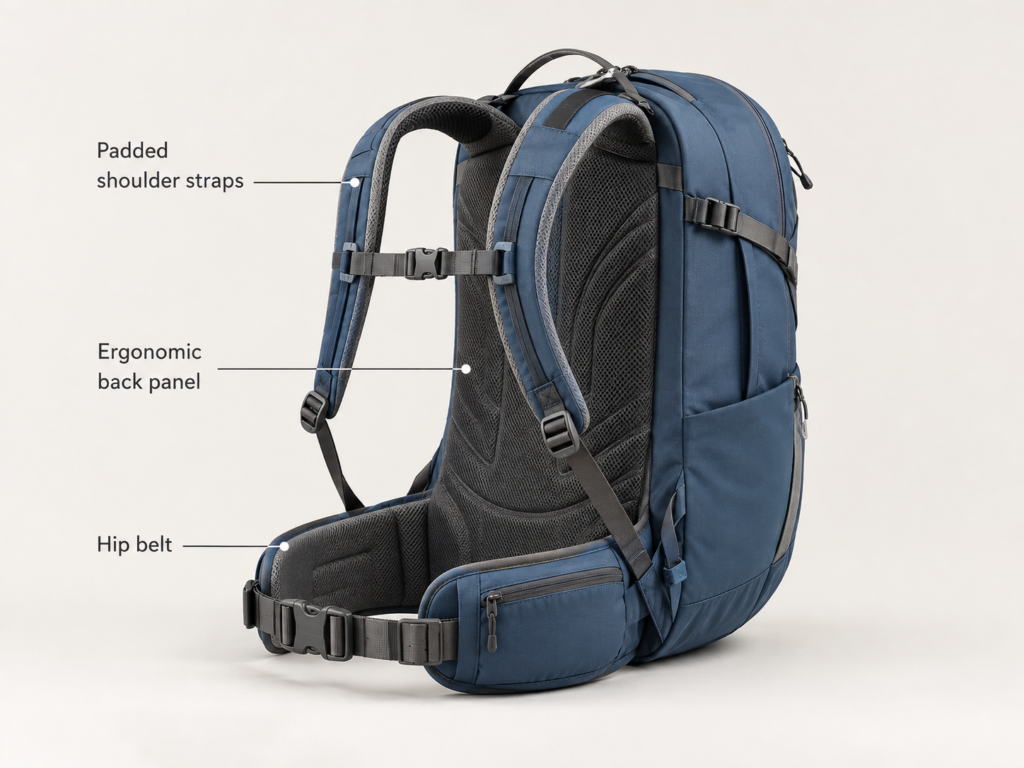
When developing a daypack, the hip belt is more than an additional accessory. It affects weight distribution, user comfort, and the overall product experience. For brands creating outdoor, travel, sports, or lifestyle backpacks, understanding when to include a hip belt helps create products that match real customer needs.
Why Does a Daypack Need a Hip Belt?
A daypack may need a hip belt when users carry heavier loads, walk longer distances, or need better backpack stability. The hip belt helps transfer part of the backpack weight from the shoulders to the hips, reducing pressure and improving comfort.
Main Benefits of a Hip Belt
| Benefit | Function |
|---|---|
| Weight distribution | Moves part of the load away from shoulders |
| Better stability | Keeps the backpack closer to the body |
| Reduced fatigue | Improves comfort during longer carrying |
| Better movement | Prevents the bag from swinging |
For small daily backpacks used for commuting, shopping, or short trips, a hip belt may not be necessary. Many users prefer a cleaner design with fewer straps and easier movement.
However, for hiking daypacks, travel backpacks, and outdoor-focused products, a hip belt can create a major improvement. When a backpack carries water bottles, clothing, equipment, or electronics, shoulder pressure increases quickly. A well-designed hip belt helps users carry the load more naturally.
For manufacturers, the key is understanding the target market before adding features. More functions do not always mean a better product. The right design should match customer expectations and usage scenarios.
When Should a Daypack Include a Hip Belt?
A daypack should include a hip belt when the expected carrying weight, activity type, or user environment requires additional support. The capacity and structure of the backpack usually determine whether a hip belt adds real value.
Situations Where a Hip Belt Is Recommended
| Usage Scenario | Hip Belt Recommendation |
|---|---|
| Hiking and outdoor activities | Highly recommended |
| Long-distance travel | Recommended |
| Heavy equipment carrying | Recommended |
| Daily office commuting | Optional |
| Lightweight city use | Usually unnecessary |
A small daypack under around 15 liters may not require a hip belt because the load is usually light. Adding extra straps may increase complexity without improving user experience.
Medium-sized daypacks between 20 and 35 liters often benefit from a removable or adjustable hip belt. This gives users more flexibility because they can use the support when needed and remove it for casual use.
For product developers, this flexibility creates more market opportunities. A removable hip belt allows one backpack design to serve multiple customer groups, from outdoor users to everyday consumers.
Professional manufacturers consider these details during development. Through structure testing, sample evaluation, and customer feedback, they can help brands create products that balance function, appearance, and production efficiency.
What Is the Difference Between a Daypack With and Without a Hip Belt?
The main difference is how the backpack manages weight and movement. A daypack without a hip belt depends mainly on shoulder straps, while a daypack with a hip belt creates a more balanced carrying system.
Daypack Comparison
| Feature | Without Hip Belt | With Hip Belt |
|---|---|---|
| Weight support | Mainly shoulders | Shoulders and hips |
| Comfort for heavy loads | Limited | Better |
| Appearance | Cleaner design | More technical appearance |
| Best use | Daily activities | Outdoor and longer trips |
A simple daypack design can be attractive because it looks lighter and more suitable for urban lifestyles. Many fashion and business backpacks avoid hip belts because customers prefer a minimal appearance.
On the other hand, outdoor customers often value performance over simplicity. They expect features that improve comfort and durability. A hip belt, chest strap, breathable back panel, and ergonomic shoulder straps work together to create a better carrying system.
For brands, choosing the right structure is part of product positioning. A commuter backpack and an adventure daypack may have similar sizes but require completely different design approaches.
How Should Manufacturers Design a Daypack Hip Belt?
A good hip belt design requires more than simply adding a strap. The belt must be comfortable, adjustable, strong, and suitable for the backpack’s intended load.
Important Hip Belt Design Elements
| Design Element | Purpose |
|---|---|
| Padding thickness | Improves comfort |
| Adjustable length | Fits different body shapes |
| Buckle quality | Ensures secure use |
| Strap width | Supports weight distribution |
| Removable design | Increases product flexibility |
The hip belt should match the overall backpack structure. A heavy-duty outdoor backpack may require wider straps and stronger buckles. A lightweight travel daypack may only need a simple webbing belt.
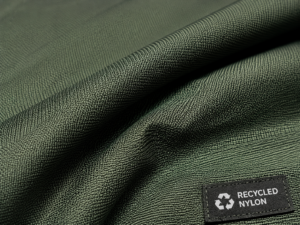
Material selection also affects performance. Durable webbing, comfortable padding, and reliable hardware improve product lifespan.
For brands developing customized daypacks, professional manufacturing support is valuable during this stage. Experienced factories can provide suggestions on strap structure, material combinations, and production methods.
A factory with OEM and ODM experience can help improve designs before mass production. This reduces problems such as uncomfortable straps, weak attachment points, or unnecessary cost increases.
How Do Materials Affect Daypack Hip Belt Performance?
The materials used in the hip belt influence comfort, durability, and overall backpack quality. Different markets require different material solutions.
Common Hip Belt Materials
| Material | Advantage |
|---|---|
| Nylon webbing | Strong and durable |
| EVA foam | Provides cushioning |
| Mesh fabric | Improves ventilation |
| Plastic buckles | Lightweight and adjustable |
A quality hip belt needs a balance between support and comfort. If the belt is too rigid, it may feel uncomfortable. If it is too soft, it may not provide enough support.
Manufacturers need to consider how customers actually use the backpack. A hiking user may carry the bag for several hours, while an office user may only carry it for short periods.
This is why product development experience matters. A professional factory understands how different components work together and can recommend suitable materials based on market requirements.
For brands, these details can influence customer reviews and repeat purchases. A comfortable backpack creates a better user experience and strengthens product value.
How Can Brands Choose the Right Daypack Design?
Choosing whether to include a hip belt depends on the product category, customer profile, and market positioning. A successful backpack design solves specific customer problems without adding unnecessary features.
Product Planning Considerations
| Question | Design Direction |
|---|---|
| Who will use the bag? | Define customer needs |
| How much will they carry? | Decide support level |
| Where will it be used? | Choose suitable features |
| What price level is expected? | Balance materials and functions |
A professional outdoor brand may need advanced carrying systems, while a lifestyle brand may prefer a simple and stylish structure.
For companies developing new backpack collections, working with an experienced manufacturer provides important advantages. A capable factory can support design improvements, material selection, prototype development, and quality control.
The best daypack designs are not created by adding the most features. They are created by understanding users and building the right combination of comfort, function, and appearance.
Conclusion
A daypack does not always require a hip belt, but the right design choice can significantly improve comfort and performance. For lightweight daily backpacks, a simple structure may be enough. For outdoor, travel, and heavier-load applications, a hip belt provides better support and stability.
For brands, developing a successful daypack requires careful consideration of user needs, product positioning, and manufacturing details. The hip belt, shoulder straps, fabric, padding, and overall structure must work together to create a reliable product.
An experienced manufacturing partner can help transform design ideas into practical solutions through professional development, material recommendations, customization support, and quality management. From simple lifestyle backpacks to technical outdoor daypacks, the right production approach helps brands create products that meet customer expectations and compete effectively in the market.
As consumers continue to look for backpacks that combine comfort, durability, and versatility, thoughtful design decisions become increasingly important. A well-developed daypack is not only a carrying product but also a reflection of quality, function, and brand value.